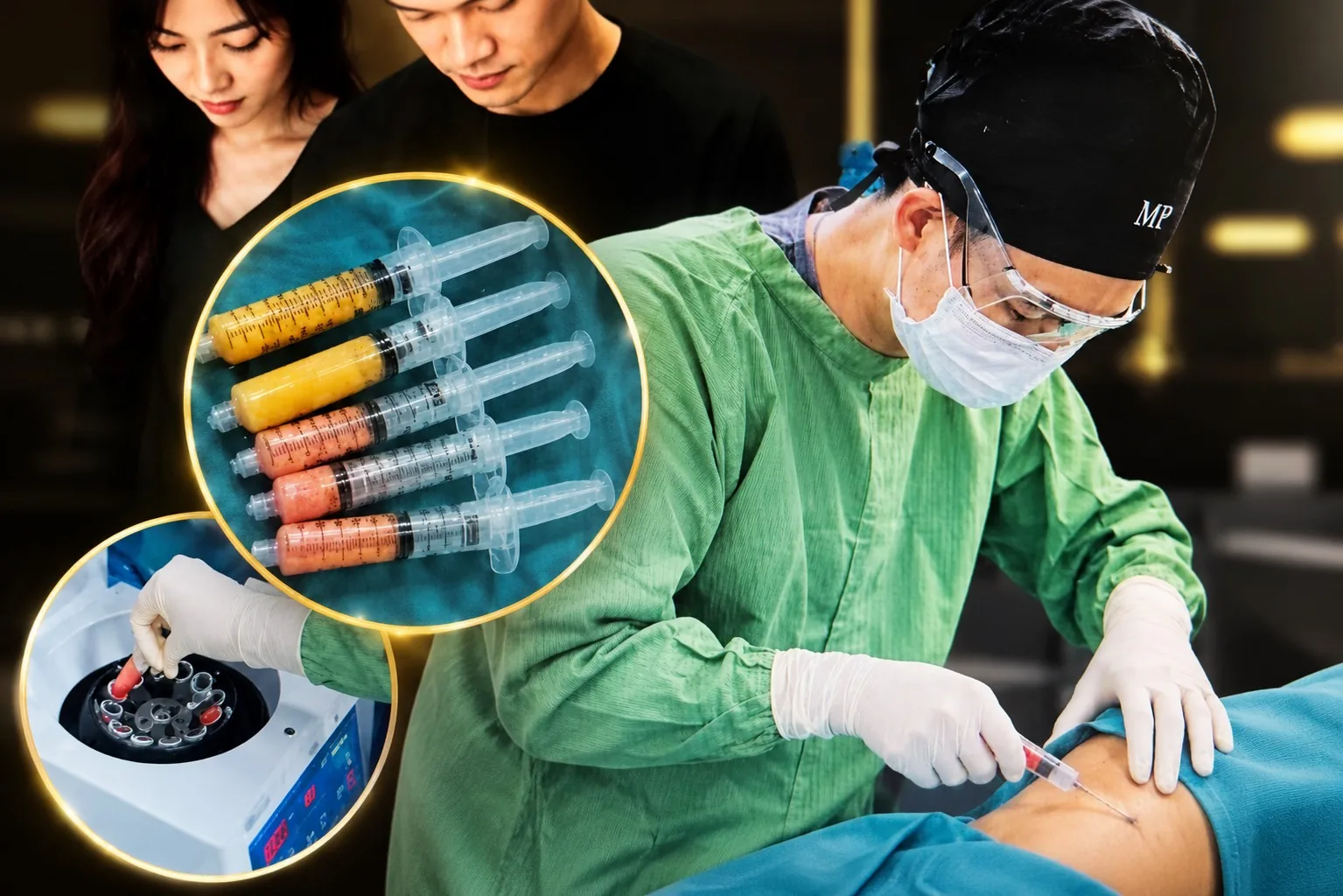
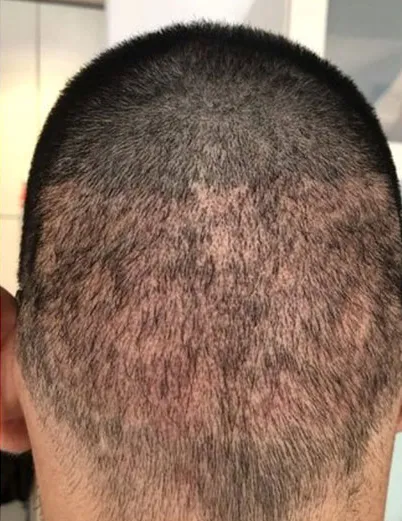
A highly debated issue is whether or not the buffet/graft-only hair transplant is effective and can be performed. Currently, we are seeing a growing number of problems resulting from the graft-only transplant. The most common problem is overharvesting, which results in severe thinning of the hair on the back of the head, potentially leading to baldness. This damage is something no doctor would want to happen, as it damages the patient’s scalp and prevents the patient from undergoing a second or third hair transplant. This is a question that clinics frequently receive.
Question 1: Is it good to plant in bulk with grafts?
The answer is yes, but patients should be aware of the facts before deciding on a graft transplant.
- The first point is that human hair follicles are limited and do not have a large amount. Normally, the amount of hair follicles that can be harvested in Asians is 2500-3500 grafts. The harvested hair follicles will disappear permanently and will leave a scar, with no new hair growing in that area.
2. Factors affecting the amount of hair that can be collected

These include smoking, age, and genetics. Many times, patients come in with the requirement that the doctor plant a fixed number of grafts, without caring how many the doctor can save. In reality, most patients expect the doctor to be able to save 3000-4000 grafts. But what actually happens is that the patient’s hair is very thin. The scary reality is that many cases can save only 1500 grafts. In really severe cases, only 700 grafts can be saved, because otherwise, the hair on the back will become severely thin or bald, which the doctor believes no patient would want.
Therefore, the doctor believes that an honest assessment of the hair follicles is of the greatest benefit to the patient.
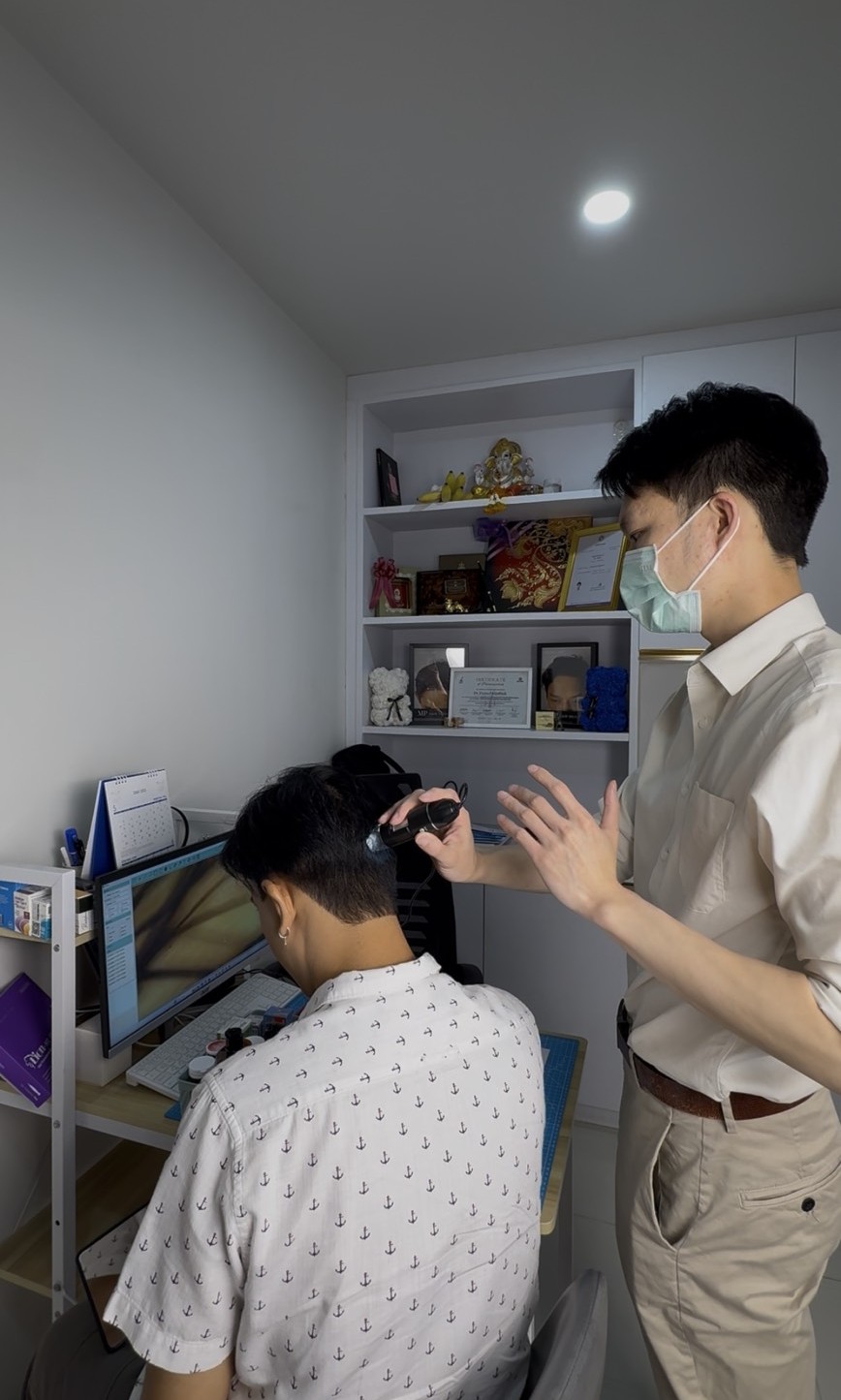
At MP, we also offer a lump sum transplant. However, the clinic will assess the actual amount of hair needed and determine whether the occipital hair follicles are sufficient to support the desired volume. If the occipital hair follicles are less than required for the transplant, the doctor will discuss the possibility of insufficient grafts and may need to adjust the plan or reduce the number of grafts. All of this will be assessed by the doctor to ensure the highest level of accuracy and safety for the client’s grafts.
ข้อที่ 2 คือ การเก็บกอผมแบบเผื่อไปเลย ปริมาณเยอะๆ สามารถทำได้ไหม
การเจาะ กับ ความสมบูรณ์ของกราฟต์ที่เก็บได้เป็นคนละเรื่องกัน โดยสภาพกราฟที่สมบูรณ์ต้องมีเนื้อเยื่อรอบกราฟโดยรอบและถ้าจะดีที่สุดควรมีไขมันติดมาที่ส่วนปลาย ส่วนกราฟต์ที่เก็บมาแล้วมีลักษณะขาดหากนำมาปลูกก็จะไม่ขึ้นมา ในส่วนนี้จะถูกแยกออก
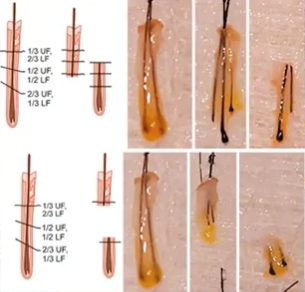
For example, compare two situations: the first uses substandard graft harvesting equipment. When grafting 100 grafts, only 50 % of the grafts are complete . Compare this to the other that uses standard equipment and a skilled transplant team. When grafting 100 grafts, the graft can be as high as 90 %. You can see that harvesting 500 grafts at the first place may require 1000 holes, but at the second place, only 560 holes are sufficient. The smaller amount of harvesting results in better results for the patient, including recovery, pain, and less scalp injury.
Therefore, in this section, both the equipment used to harvest the grafts must be up to standard, the transplant team must be skilled, and only the necessary amount of grafts should be harvested to minimize scalp injury and ensure the highest quality grafts.
Point 3: If there is any leftover, can we plant some extra?
This is also not recommended. According to our standards, we should plant as little as necessary, or Minimal Necessary, because hair transplantation is a type of surgery that causes wounds. In actual medical treatment, we should not cause unnecessary wounds to patients because it can result in injury to surrounding tissue, including the original hair or native hair , which can cause death. It can also cause shock loss in other areas as well.
In addition, if a patient undergoes a hair transplant at the age of 20 and uses a large number of grafts, it can result in the patient needing a second round of hair transplants after 20-30 years.
In conclusion, hair transplantation is a major procedure in a person’s lifetime. We may only have it done once or twice, so choosing a hair transplant clinic with expertise is important for long-term hair transplant results.