Many people understand that hereditary hair thinning (Androgenetic Alopecia: AGA) is primarily caused by the hormone DHT, but in reality, the health of hair follicles is also influenced by many internal bodily factors, especially the balance of nutrients essential for the functioning of hair follicle cells.
One crucial factor often overlooked is Vitamin D, which plays a vital role in the hair growth cycle and may be the key to effectively treating hair loss and thinning.
How is vitamin D important for hair roots?
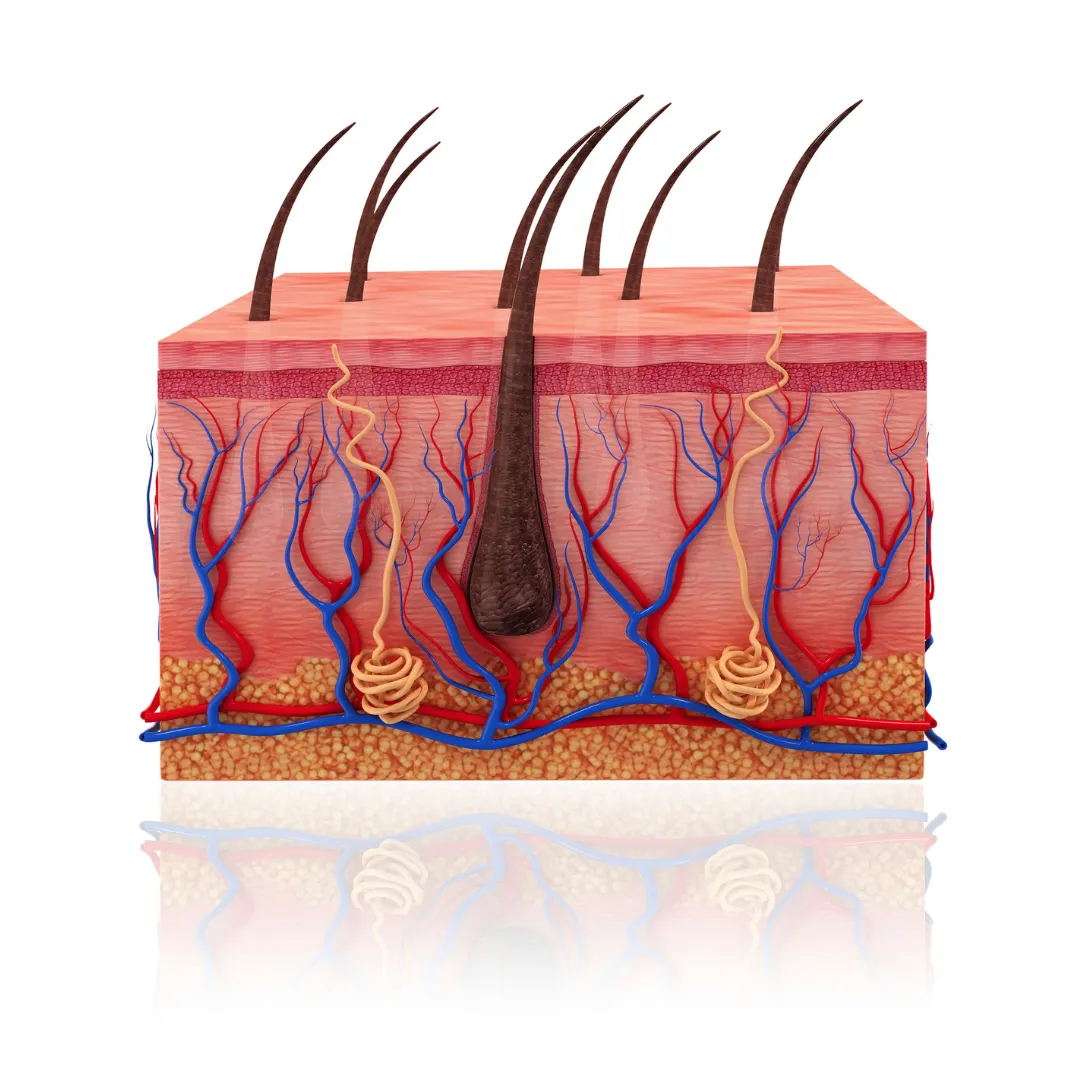
Vitamin D is not just a common vitamin; it also acts like a hormone, regulating the function of various cells in the body. Hair follicles have Vitamin D receptors (VDRs), which play a crucial role in regulating the hair cycle.
Insufficient levels of Vitamin D in the body can affect hair follicles in several ways, including:
1. Slows down hair follicle miniaturization:
Vitamin D deficiency can shorten the hair growth phase (anagen phase), causing terminal hair to gradually transform into finer hairs or vellus hairs, leading to thinning hair and loss of density in the long term.
2. Stimulates hair follicle cell division:
Vitamin D helps stimulate the division of keratinocytes and stem cells in the hair follicle area, resulting in new hair growth that is stronger, thicker, and of better quality.
3. Reduces inflammation at the cellular level.
Vitamin D has properties that help regulate the immune system and reduce chronic inflammation around the hair follicles (micro-inflammation), which is one of the factors that can accelerate hair follicle deterioration and lead to continuous hair loss.
Groups that should have their vitamin D levels checked:
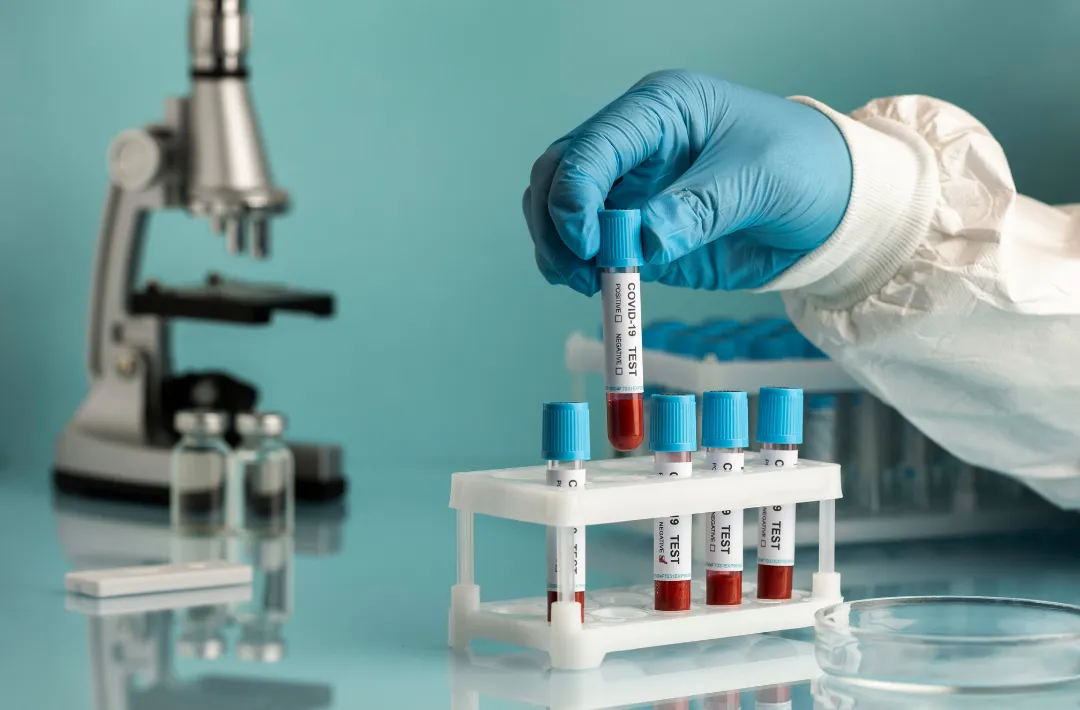
A blood test to measure 25-Hydroxy Vitamin D [25(OH)D] levels may be very helpful for people experiencing hair loss or thinning, especially in the following groups.
| Symptoms | Priority testing is necessary. |
|---|---|
| Patchy hair loss (Alopecia Areata) | Highest level (Urgent) |
| Severe hair thinning in young people. | Highest level (Urgent) |
| Severe AGA (Genetic Hair Thinning) | High level |
| Hair loss with no known cause, or long-term treatment without results. | High level |
Magnesium: An important component of Vitamin D.

Supplementing with vitamin D alone may not be sufficient, as the body needs magnesium as a co-factor to convert vitamin D into its active form.
If the body is deficient in magnesium, even if it receives sufficient vitamin D, it may not be able to utilize it effectively.
In addition, magnesium plays a role in maintaining calcium balance in the body, which helps support blood circulation and an optimal environment for hair root function.

Guidelines for maintaining healthy vitamin D levels for hair health.
Get adequate sunlight.

Getting exposure to gentle morning sunlight is a natural way for the body to produce vitamin D. Aim for 15–30 minutes of sun exposure on your arms or legs, 2–3 times a week. The effectiveness of vitamin D production may vary depending on the time of day, skin type, and environment.
Choose the right vitamin supplements.
In cases of vitamin D deficiency, supplementing with vitamin D3 along with magnesium may help support more efficient bodily functions. This should be done under the guidance of a physician.
Check your vitamin D levels regularly.
Nowadays, the lifestyle of people who work mostly indoors means that many people unknowingly have a vitamin D deficiency. Therefore, blood tests are the most accurate way to assess vitamin D levels and plan appropriate treatment.
summarize
Vitamin D is one of the key factors that plays a role in hair follicle health, hair growth, and regulating inflammation at the cellular level. Individuals experiencing hair loss or thinning, especially those who have been receiving treatment for a long time without results, should consider checking their 25(OH) Vitamin D levels to identify any potential underlying causes.
However, vitamin D is a nutrient that can be toxic if taken in excessive amounts. Therefore, vitamin D supplementation should be based on blood tests and advice from a doctor to ensure that vitamin D levels are adjusted appropriately and safely.
Maintaining adequate vitamin D levels, in conjunction with other medical treatments, can create optimal conditions for hair follicle regeneration and increase the chances of achieving the best long-term results in treating hair loss and thinning.