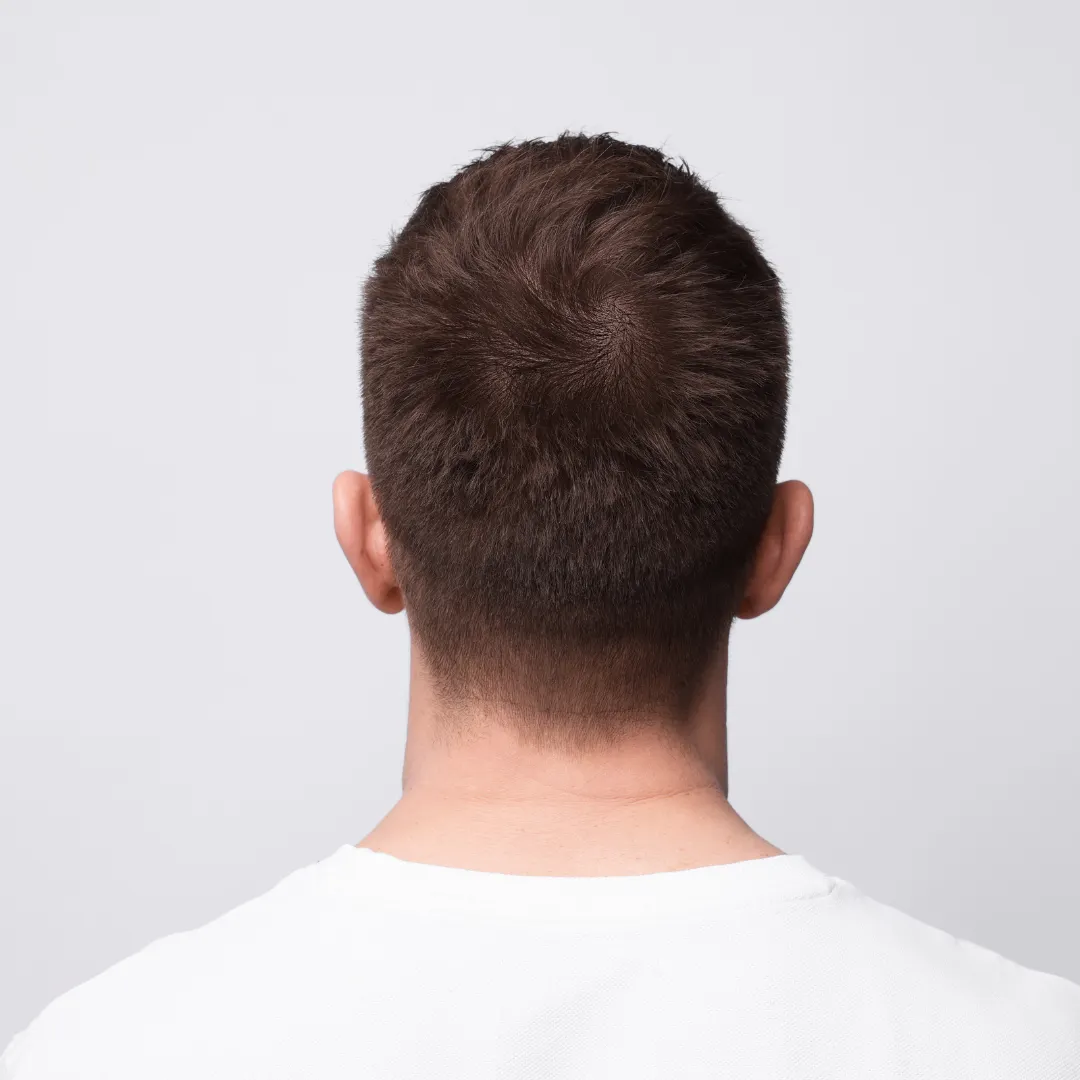
In permanent hair transplantation, one of the long-discussed theories is the Donor Dominant Theory , which posits that hair follicles in the nape of the head tend to be stronger than those in other areas. Furthermore, these follicles retain their original characteristics even after being transplanted to a new location on the head.
In particular, hair follicles from the nape of the head , which is a less sensitive area to DHT hormone (the main cause of hair thinning), are believed to be stronger and have a better chance of surviving permanently for many years even when transplanted to the top of the head or the forehead.
Is the Donor Dominant theory still entirely correct?
Although the Donor Dominant theory has long been a fundamental basis of hair transplantation, recent data from the 9th Asian Hair Restoration Society Conference suggests that this theory may not be as perfect as previously believed.
During the meeting, there was a debate about whether, even though hair follicles from the nape of the neck—which is traditionally considered the strongest donor area—are more resistant to DHT, they can still thin or deteriorate with age . This condition is called…
- Diffuse Alopecia
- Alopecia Areata
In other words, even “good quality hair roots” may not remain in the same condition forever. The results of hair transplantation also depend on other factors such as age, care, and the long-term health of the hair roots.
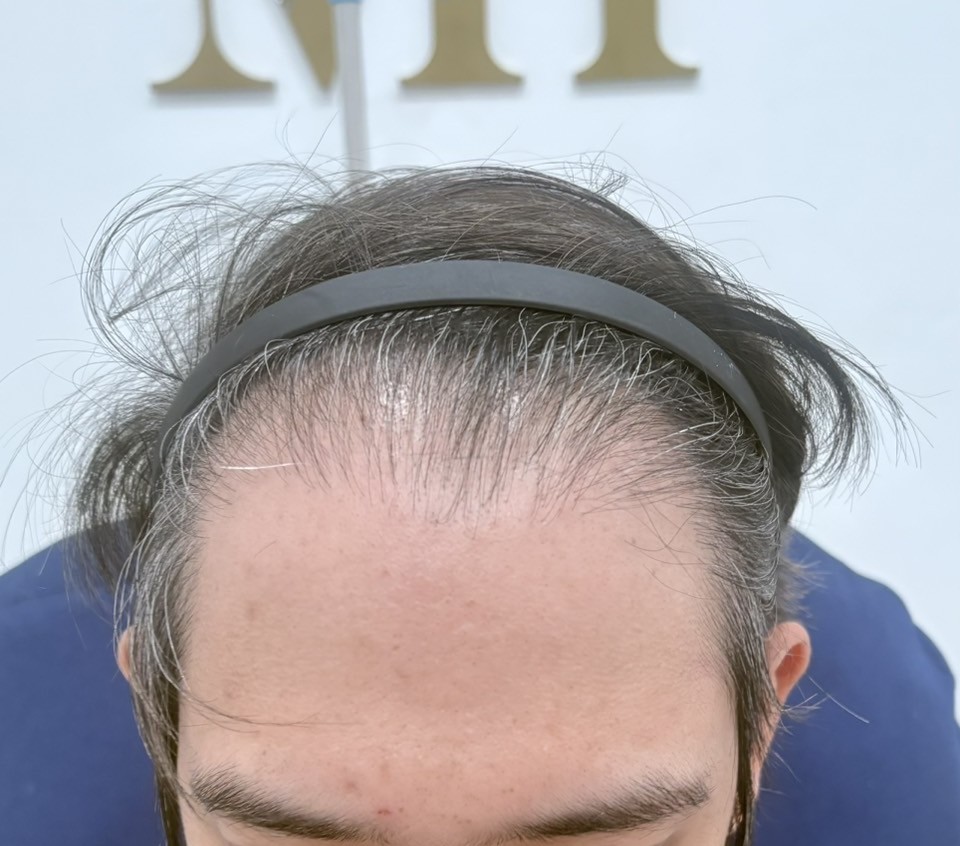
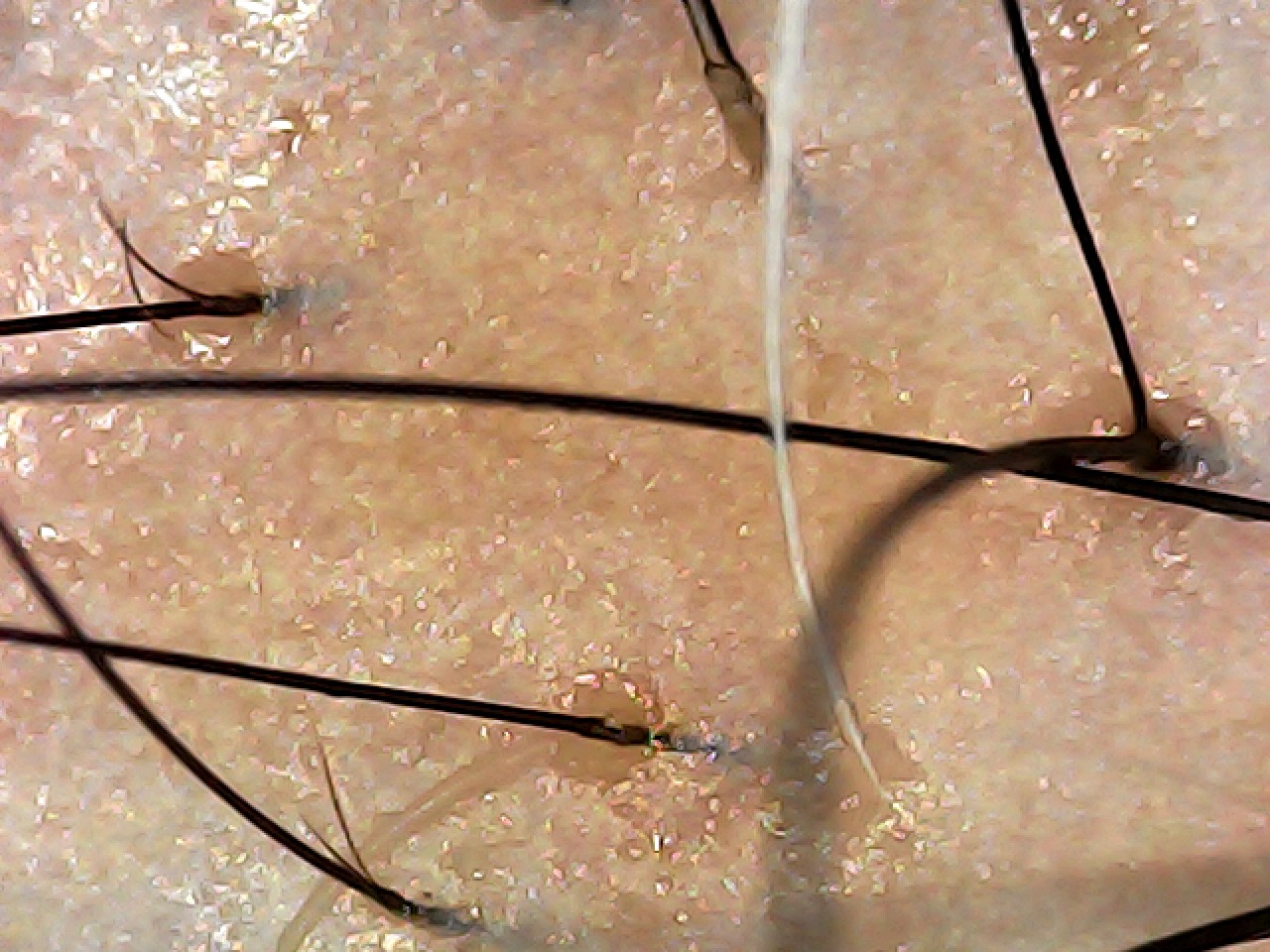
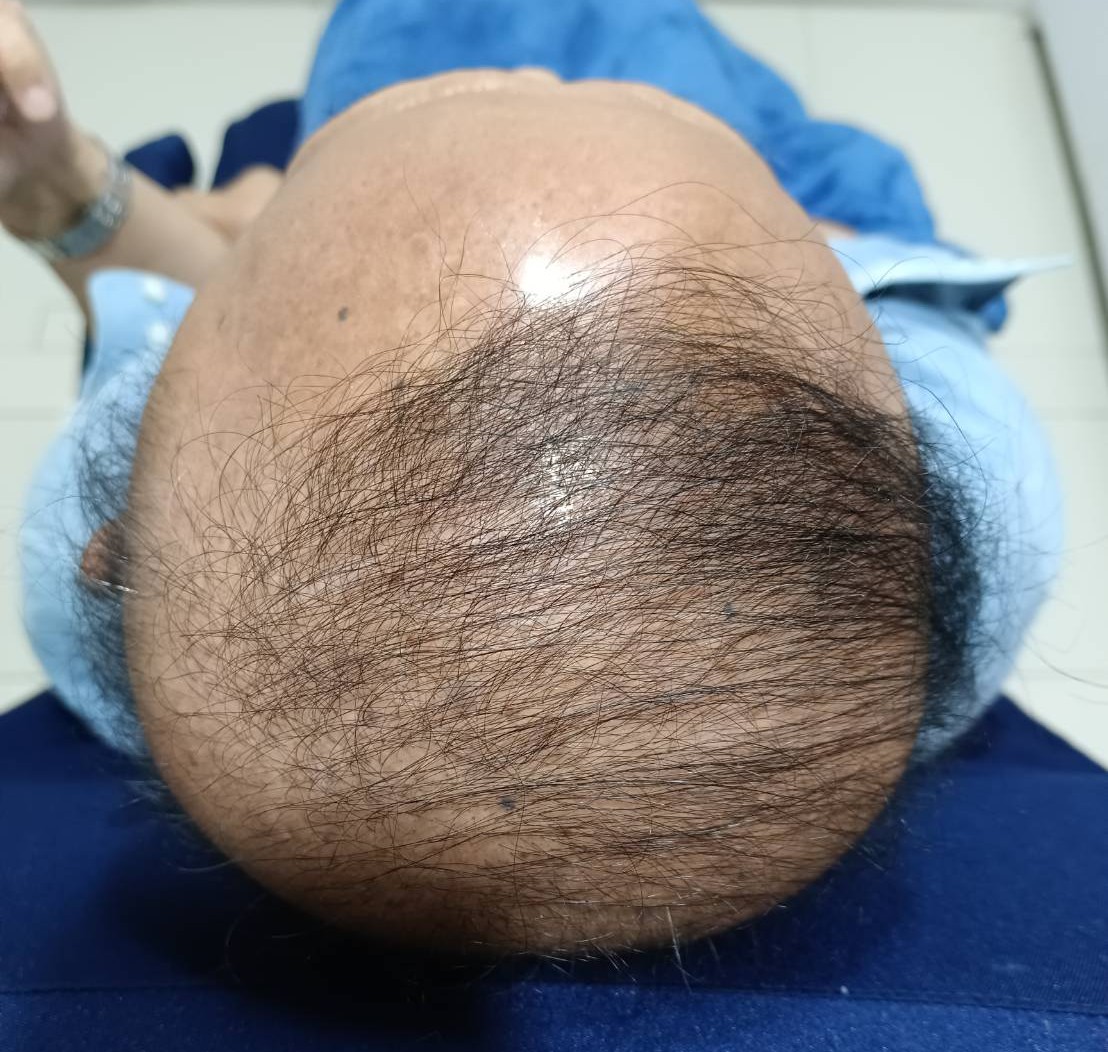
There are many cases where patients who underwent hair transplantation return to consult the clinic later, even though the initial results weren’t bad, because their hair thinned over time. The main reason is usually not due to transplant failure, but rather a lack of post-transplant care for the hair follicles , particularly the failure to use medication to control DHT hormones, which are a major factor in weakening and shrinking the hair follicles over time.
Although hair transplantation can provide results that last for many years, it is not 100% permanent. Without ongoing care, both the original hair follicles and the transplanted follicles may become thinner due to hormones and aging.
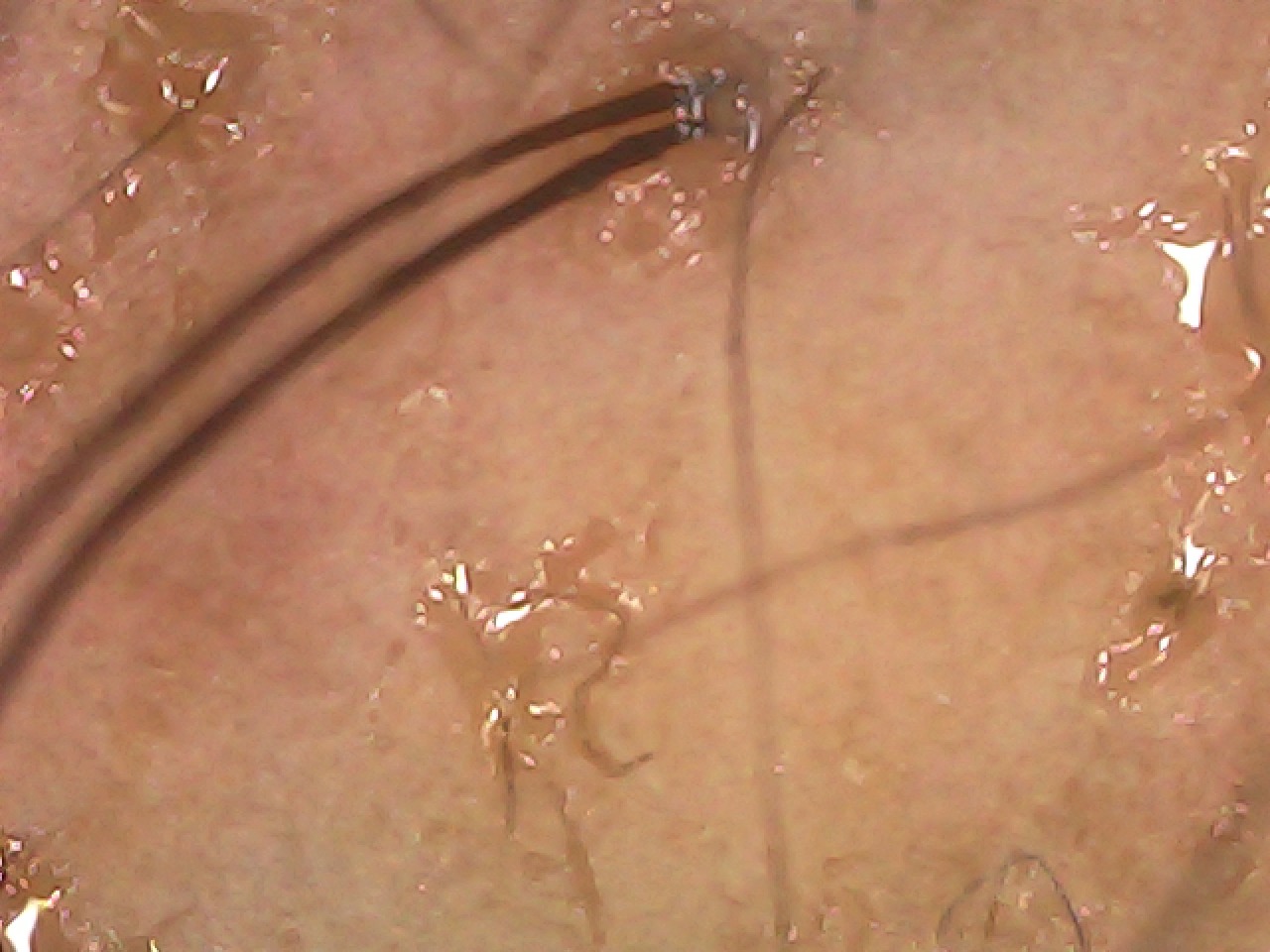
Why are medications and regenerative medicines important after hair transplantation?
When it comes to hair transplant results, many people often think that once the procedure is complete, that’s the end of it. However, in reality, “post-transplant hair follicle care” is the key to long-lasting results.
Therefore, medication and regenerative medicine play a role because they help care for both groups of hair follicles.
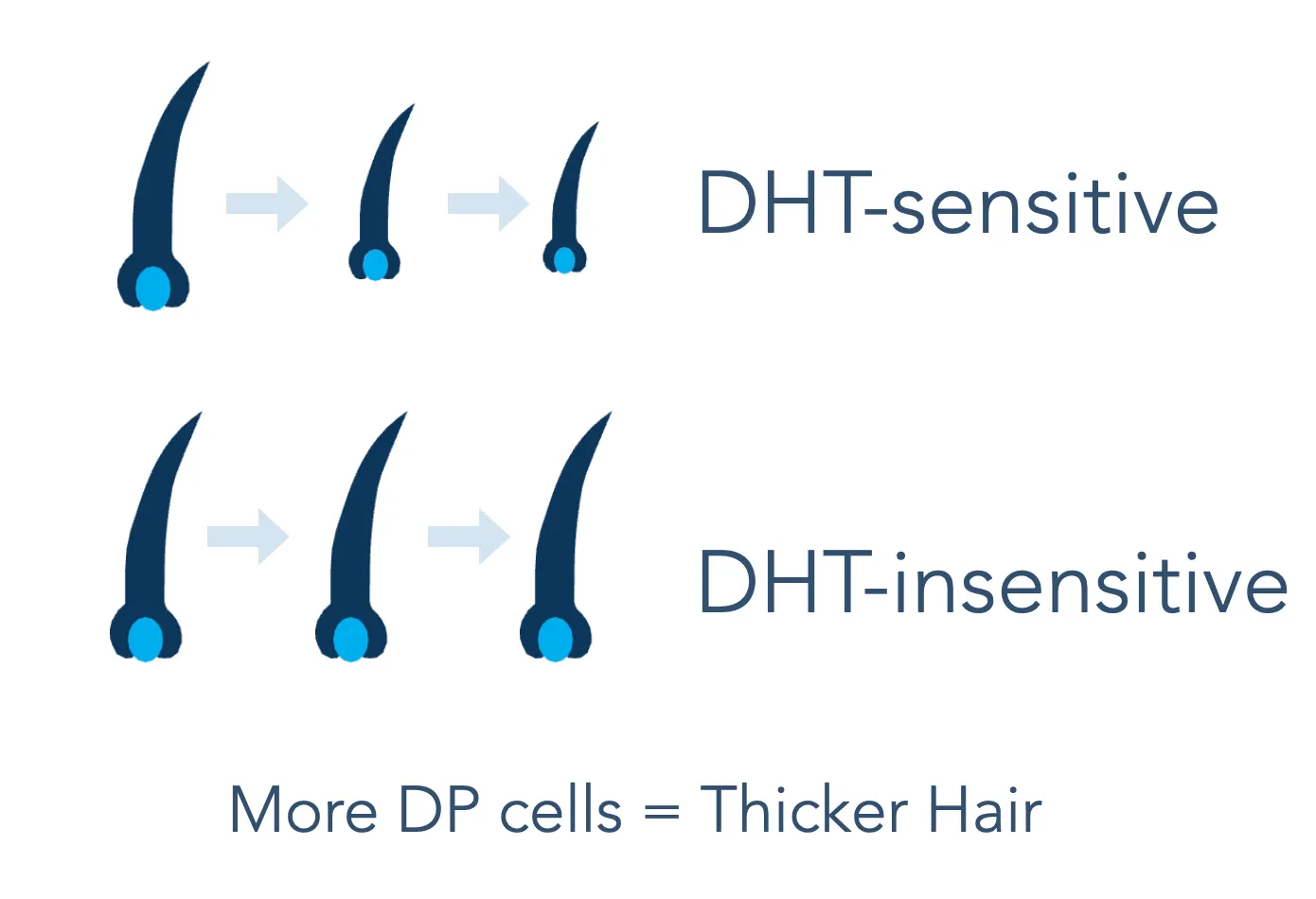
- Original hair (that is still sensitive to DHT) is a group that is more likely to thin with age and hormones.
- Newly transplanted hair (DHT-resistant) needs to be nurtured to ensure it remains strong and grows fully.
This brings us back to the importance of medication, or regenerative medicine, in preserving hair follicles—both the original hair that was not transplanted (the sensitive group ) and the transplanted hair (the group that is not sensitive to the DHT hormone).
These treatments strengthen hair roots at every stage, reduce hair loss, and prolong the beautiful and dense results of hair transplantation for as long as possible.
Post-hair transplant care: Key to extending the lifespan of the results.
Maintenance treatments and medications play a crucial role in helping both transplanted and existing hair last as long as possible . While the duration varies from person to person, regular monitoring, medication adjustments, and consultations with your doctor on treatment options will help strengthen hair roots, reduce hair loss, and decrease the likelihood of needing future hair transplants.
The advantage is that we now have a wider variety of treatment options. It’s not just basic oral medications anymore; there are also topical creams that help reduce side effects and make treatment more tailored to each individual.
Post-hair transplant care is therefore not just an option, but a crucial step in ensuring the longest-lasting and most worthwhile results.
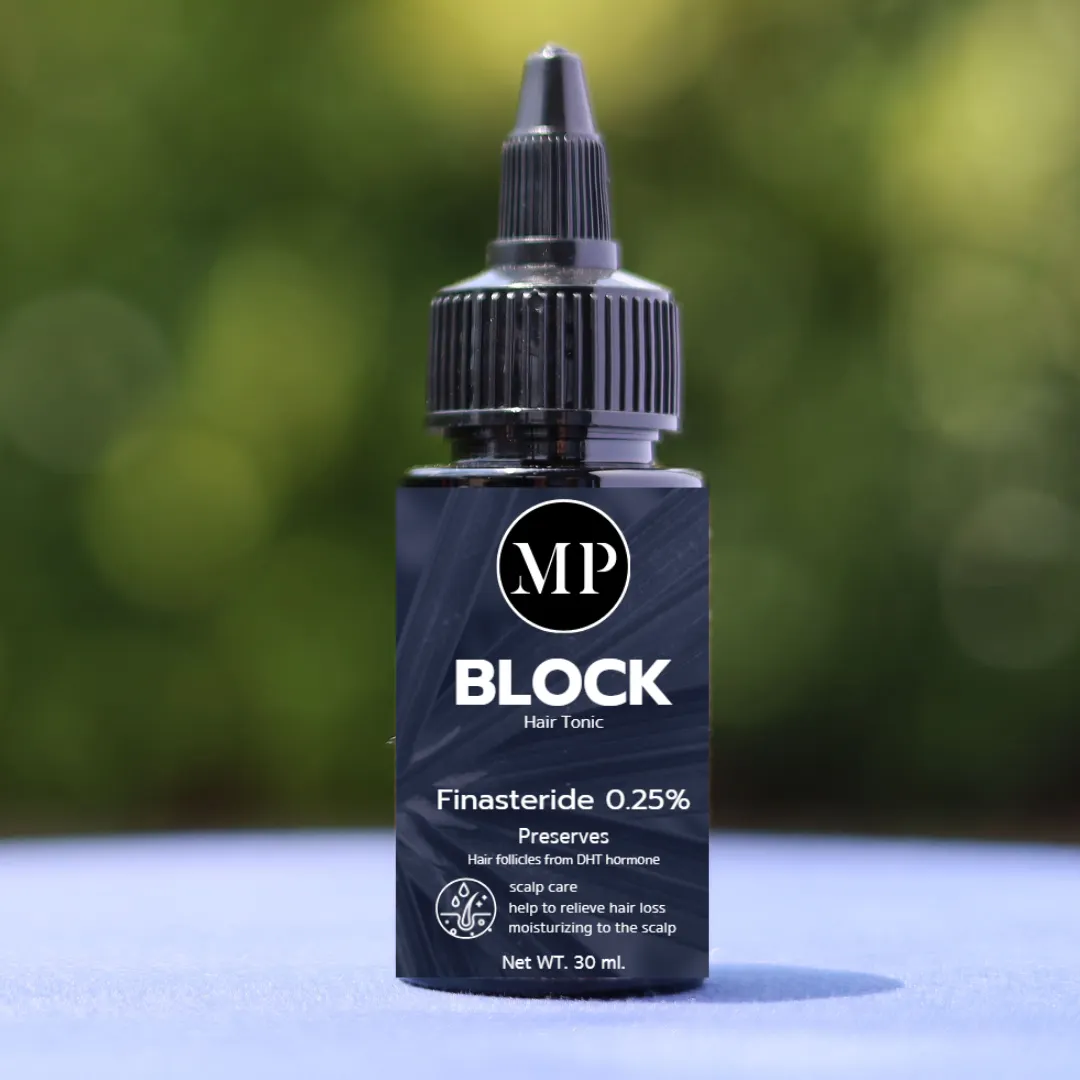
Post-hair transplantation supplementary care options.
In addition to medication, there are now technologies and supplementary treatments that can help restore hair roots more effectively, such as:
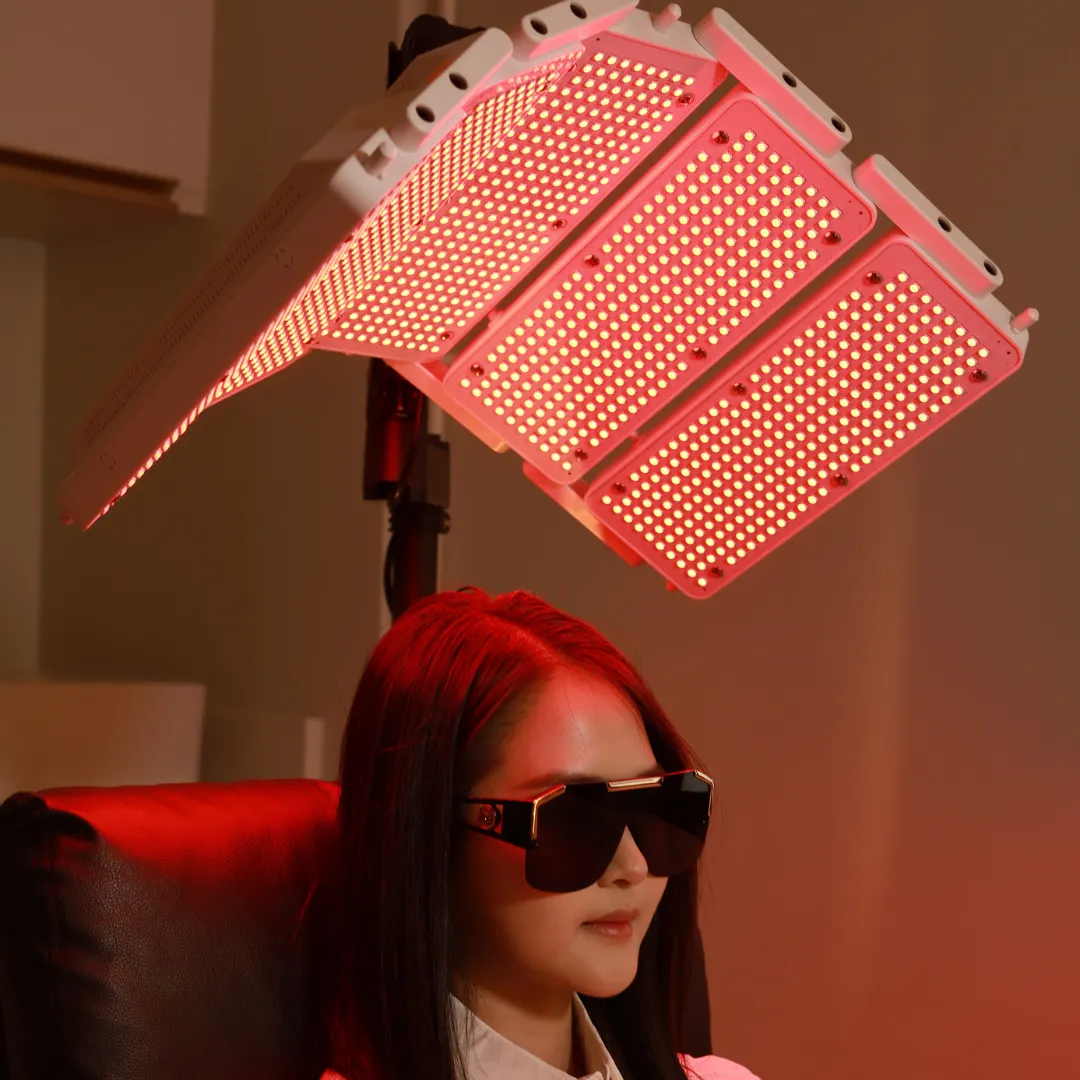
- Red light therapy (LLLT) is a new, highly effective, and painless treatment that stimulates hair follicles to become stronger.
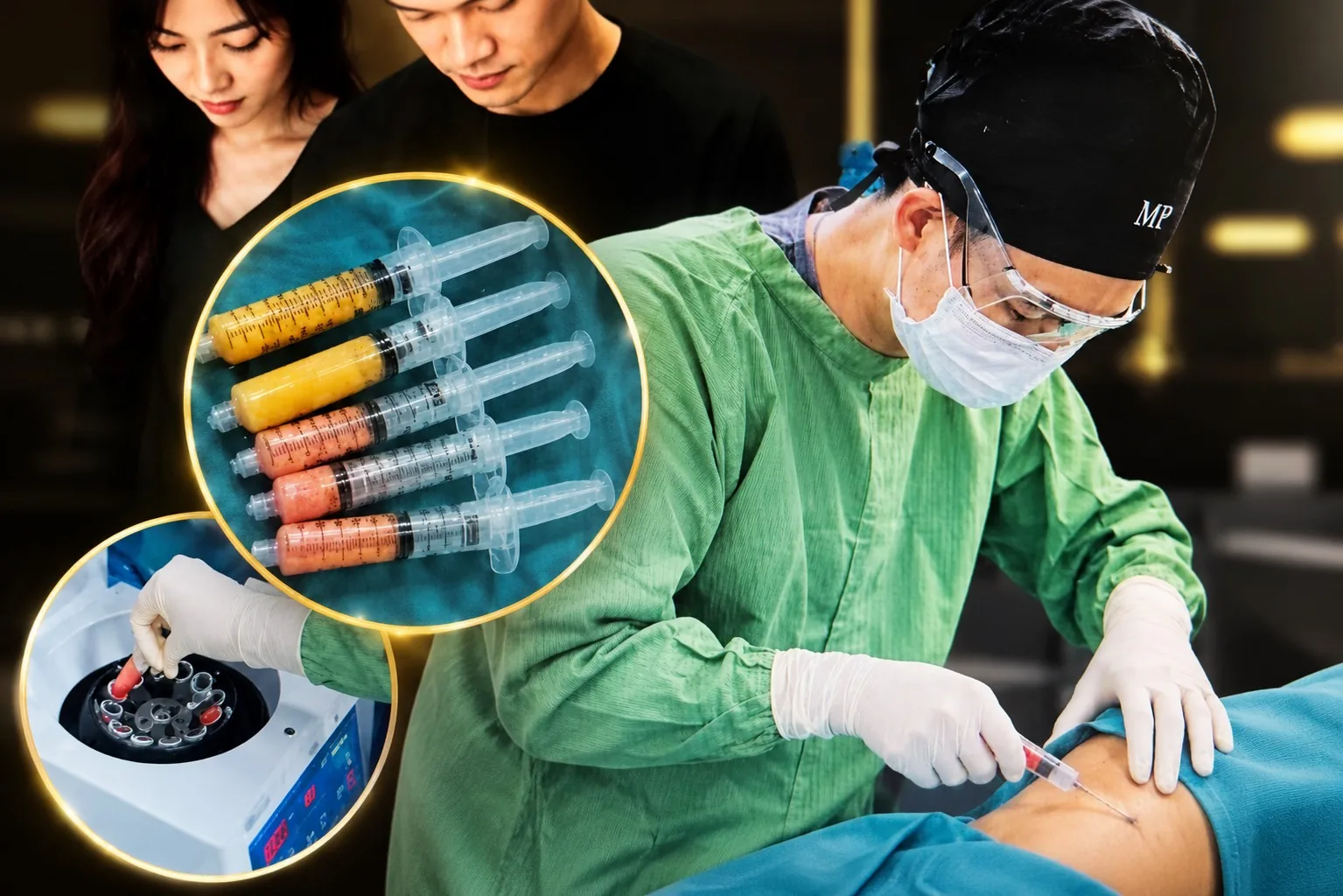
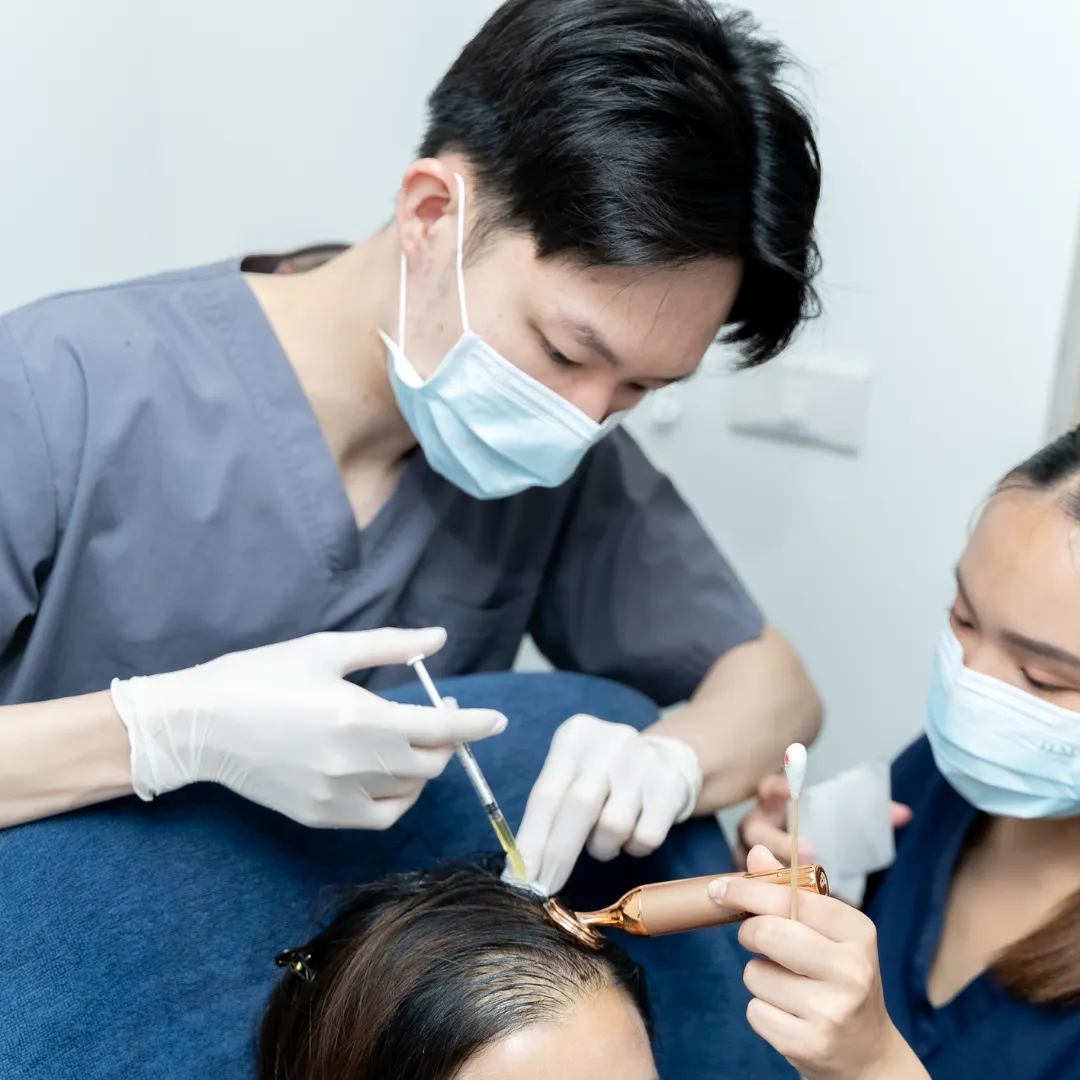
- PRP/AMT injections use cells from your own body, making them safer, reducing the risk of allergic reactions, and helping to extend the lifespan of your hair.
These methods work in conjunction with standard care to help strengthen hair roots and maintain hair density for as long as possible, for both existing and transplanted hair.
In summary, while permanent hair transplantation is becoming more popular, long-term care to maintain the hair roots, both the original and transplanted hair, is equally important. Consistent care is key to extending the results and preserving hair density for as long as possible.