White Hair
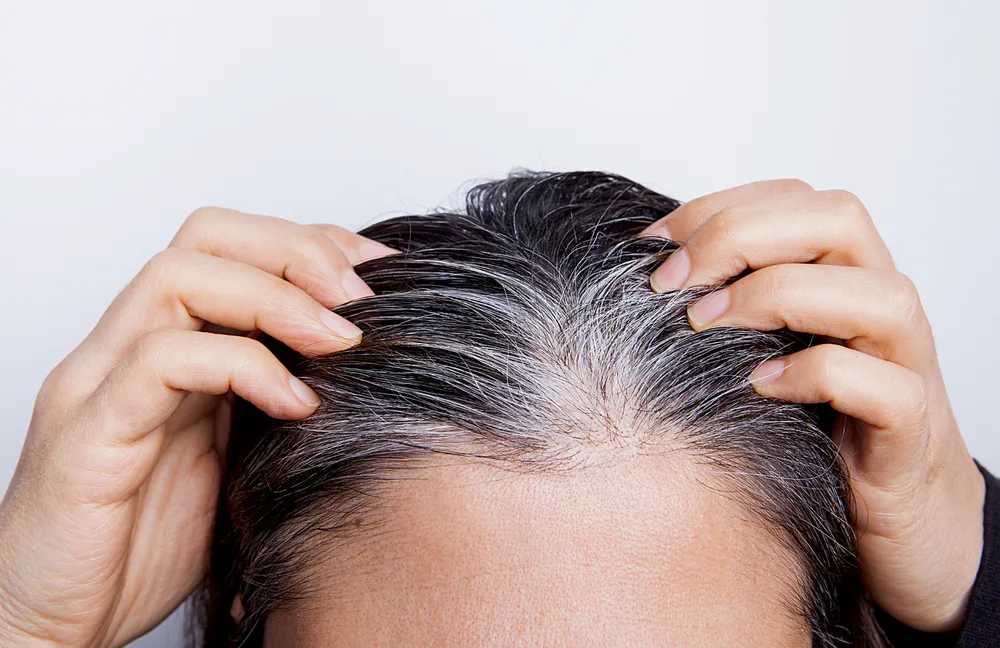
Many people worry about it, as it is often seen as a sign of increasing age. In reality, however, white hair can occur at any age, even in teenagers or working-age adults. By understanding the causes and caring for it appropriately, it is possible to slow down the onset of white hair and maintain healthy hair.
How Does White Hair Occur?
Hair color comes from a pigment called melanin, which is produced by melanocyte cells located around the hair root. When these cells produce less pigment or stop working, newly grown hair becomes gray, silver, or white. Hair that has already turned white cannot return to its original color if the cause is the degeneration of the pigment-producing cells; but if it is caused by a nutritional deficiency or certain diseases, treating the cause may help newly grown hair regain its color.
Causes of White Hair
1. Increasing Age
This is the most common cause. As age increases, pigment-producing cells naturally work less, causing hair to gradually turn gray and white.
2. Genetics
Genetics play an important role. If people in the family have had white hair since a young age, there is also a high chance of developing white hair prematurely.

3. Stress
Chronic stress may affect the function of the stem cells that produce pigment, and may accelerate the onset of white hair faster than usual, even though stress is not the only cause.

4. Nutritional Deficiency
Insufficient intake of nutrients, especially
- Vitamin B12
- Iron
- Copper
- Zinc
- Folic acid
- Protein
can also weaken the hair and cause premature white hair.
5. Smoking

Several studies have found that smokers are more likely to develop premature white hair than non-smokers, because the toxins in cigarettes increase oxidative stress from free radicals in the body.
6. Diseases or Health Conditions
Certain diseases may be associated with white hair, such as
- Thyroid gland disorders
- Vitiligo
- Vitamin B12 deficiency
- Certain autoimmune diseases
The Root of the Problem
The key root of white hair is the decline of pigment-producing cells and melanin production, which is influenced by age, genetics, hormones, free radicals, and overall health.
How to Slow Down and Care for White Hair
Eat a Complete, Balanced Diet
Focus on foods that contain
- Eggs
- Fish
- Beans
- Leafy green vegetables
- Whole grains
- Colorful fruits
so that the body receives the vitamins and minerals it needs.
Reduce Stress
- Get enough sleep
- Exercise regularly
- Practice meditation or relax as appropriate
Quit Smoking
Quitting smoking helps reduce damage from free radicals and benefits overall health, including the health of the hair.
Care for the Scalp
- Use a shampoo suitable for your scalp condition
- Avoid frequent use of high heat
- Reduce the use of harsh chemicals, such as frequent hair bleaching
Get a Health Check if White Hair Appears Prematurely
If you have a large amount of white hair before around the age of 20–30, especially when it occurs together with other abnormal symptoms such as fatigue, weight changes, or heavy hair loss, you should see a doctor to investigate the cause, such as vitamin B12 deficiency or thyroid gland disorders.
Is There a Way to Turn White Hair Black Again?
Currently, there is no clearly proven method that can permanently turn hair that has whitened due to age or genetics back to black. Products or supplements advertised to darken hair often have limited supporting evidence.
However, if white hair is caused by a nutritional deficiency or a treatable health condition, addressing the cause may allow newly grown hair to regain its normal color in some cases.
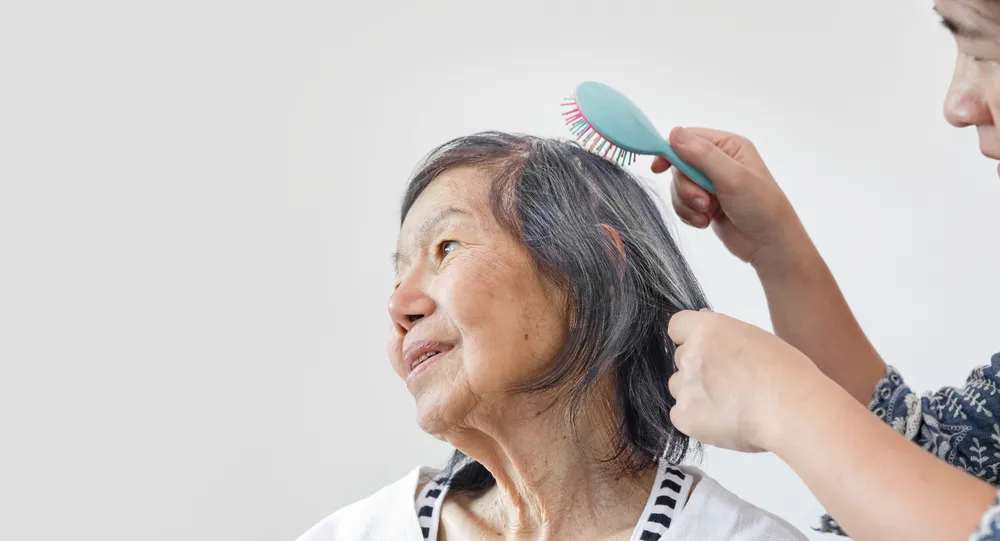
At present, for managing gray hair caused by age or genetics, there is still no treatment proven to permanently return the hair to black. The method that works in practice and gives immediate results therefore remains coloring to cover the white hair. That said, choosing a hair-color product that is high quality and safe for the scalp and hair is essential. You should choose a formula that has been evaluated for safety, has a low likelihood of causing irritation, and is used correctly according to the instructions, in order to reduce the risk of allergic reactions, scalp irritation, and hair damage or increased hair loss. Choosing the right product is therefore an important part of hair care alongside covering gray hair.
Summary
White hair results from a decline in pigment production at the hair root, with age and genetics as the main factors, while stress, smoking, nutritional deficiency, and certain diseases may accelerate premature white hair. Although there is still no treatment that can definitively return age- or genetics-related white hair to black, eating a nutritious diet, taking care of your health, reducing stress, and avoiding risk factors can help slow the onset of white hair and promote long-term hair health.