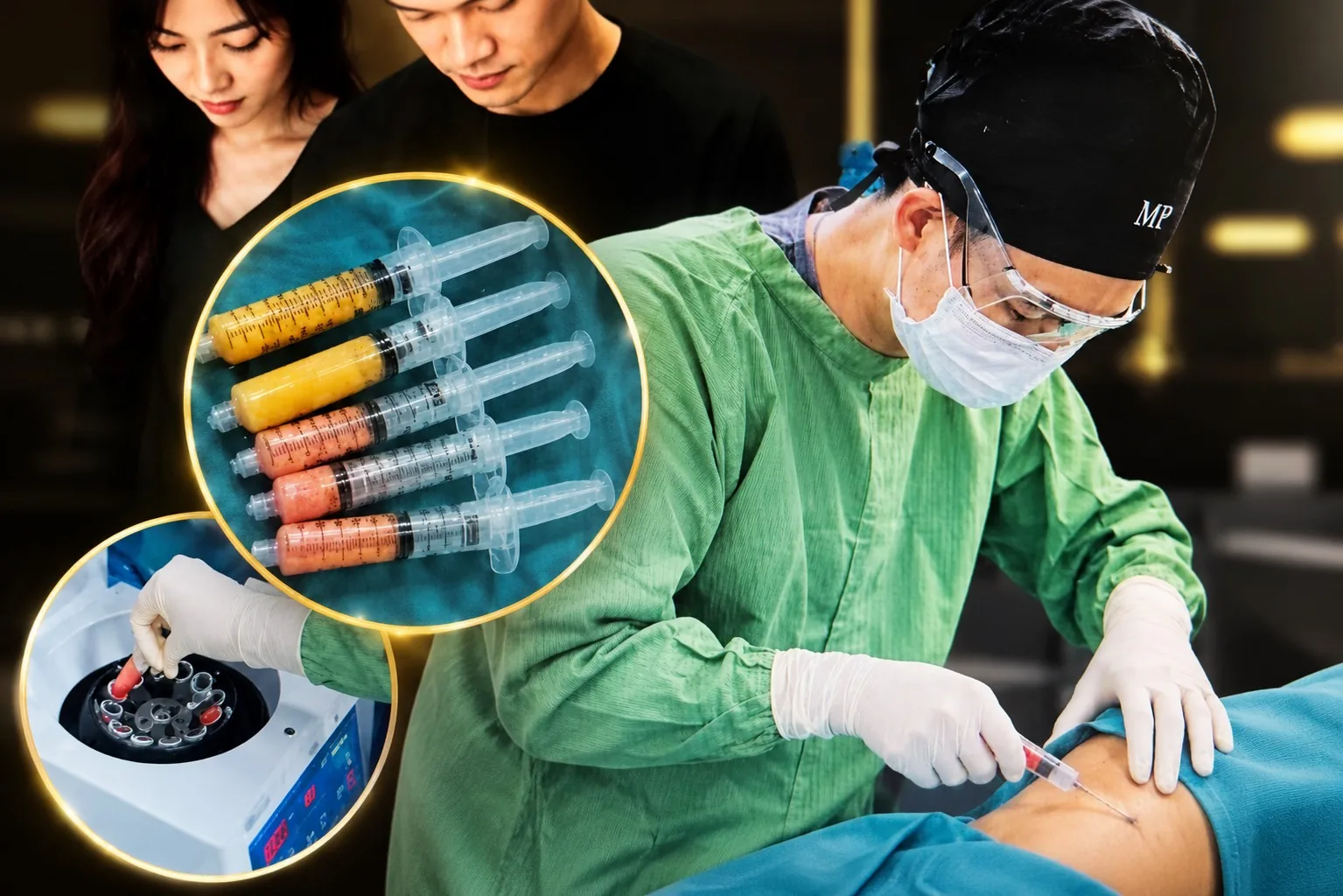
Hair loss and thinning are common problems in women and a major cause of low self-confidence. Treatment for hair loss in women has both similarities and differences from that in men, making accurate diagnosis essential before starting treatment.
The most common hair follicle problems that women seek medical help with can be divided into four main groups:
- Hair loss and thinning due to genetics (Androgenetic Alopecia: AGA)
- Hair loss from telogen effluvium can be caused by underlying medical conditions, stress, hormonal imbalances, or illness.
- Patchy hair loss (Alopecia Areata)
- Naturally high facial frame / Baldness
1. Hereditary hair loss (AGA) in women.
This is the most common cause.
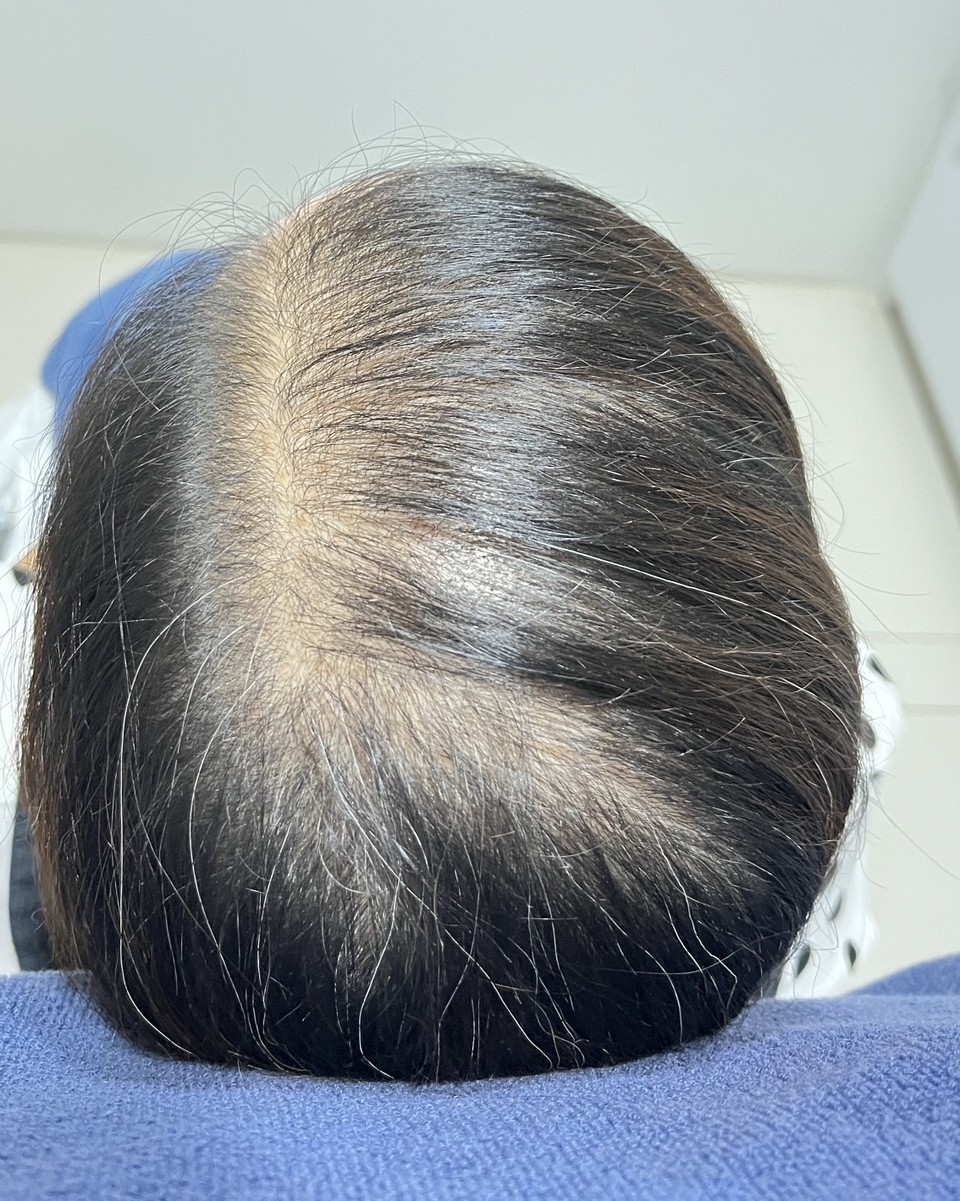
The defining characteristic is thinning hair in the middle of the parting, from the MF (Mid-Front) position continuing to the VX (Vibration-Vibration), where the hairline at the front usually remains and doesn’t recede like in men.
The cause is the hormone DHT (Dihydrotestosterone), which weakens hair follicles, reduces hair thickness, and eventually leads to hair loss.
The key to correct treatment is the use of “anti-DHT medications.” Commonly used medications in women include…
- Spironolactone
- Finasteride
This group of drugs treats the root cause of the disease.
Minoxidil, vitamins, zinc, biotin, or other supplements are not anti-DHT drugs and cannot stop the hereditary hair loss process.
Important precautions
- Do not use in pregnant or breastfeeding women,
as DHT blockers may cause birth defects in male infants.
- You should be monitored by a doctor before using this medication.
Treatment Duration: Hereditary hair loss is a permanent factor and tends to worsen with age.
Therefore, treatment is a long-term process, comparable to treating chronic diseases such as high blood pressure or high cholesterol.
Hair loss treatment should be done in a combination of methods for the best results.
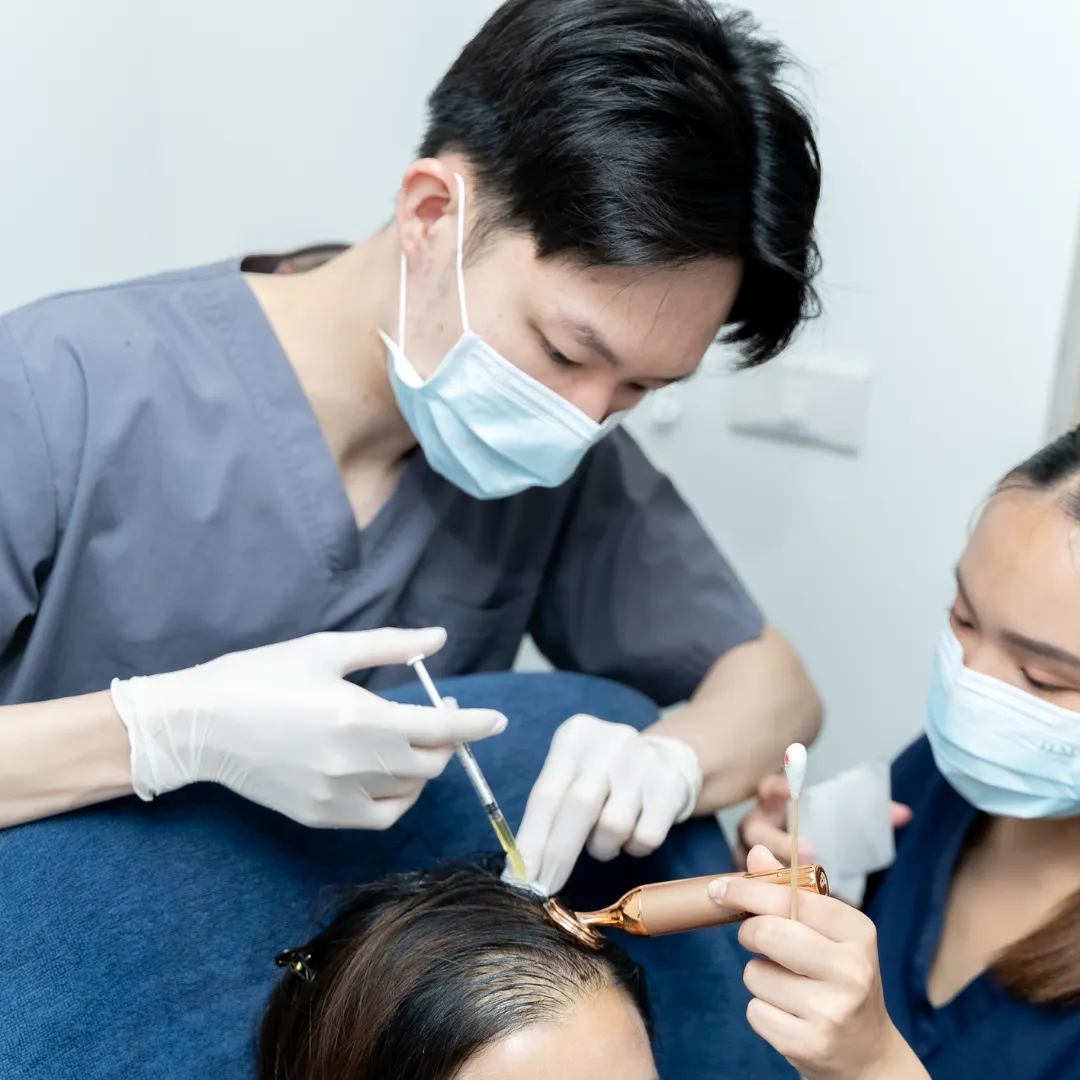
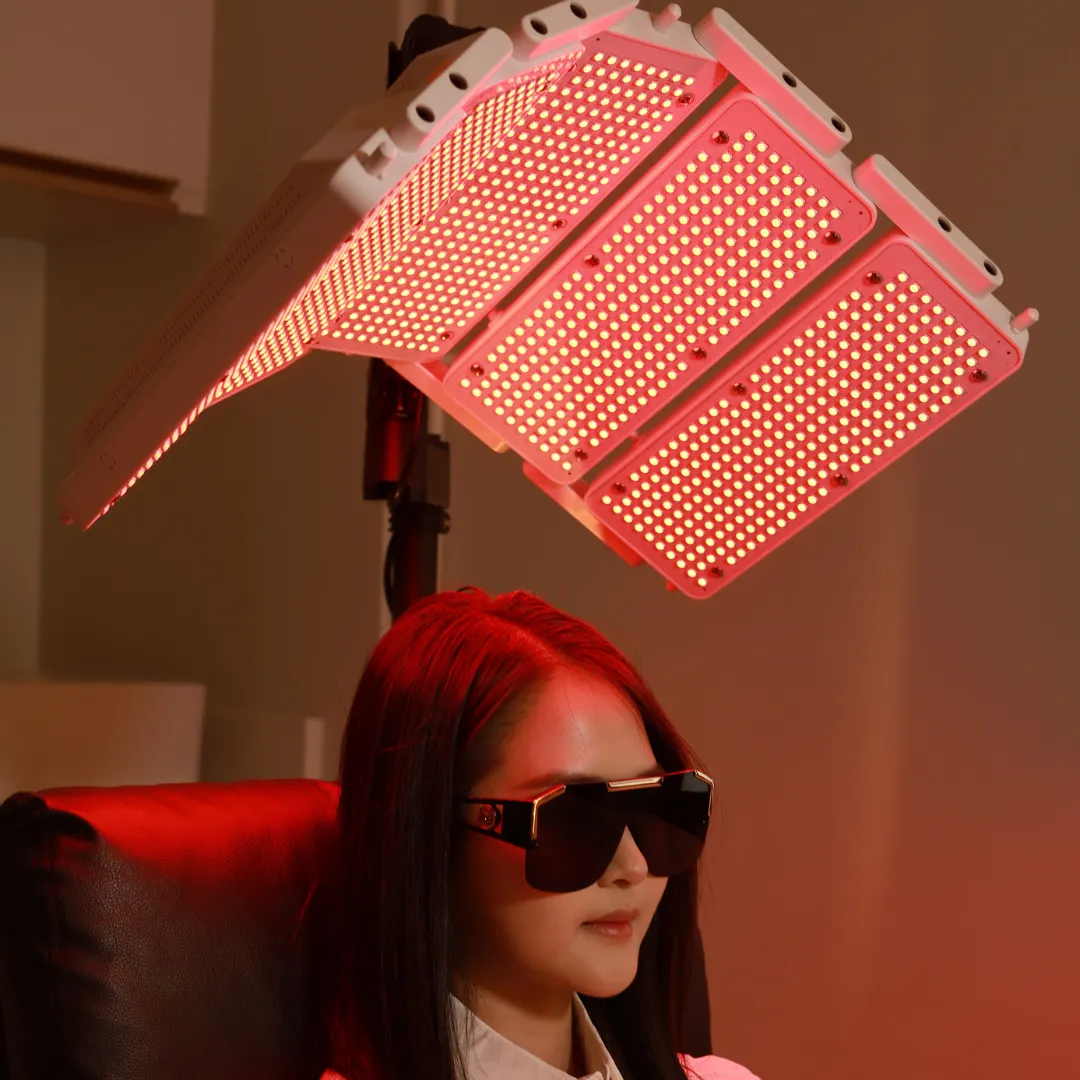
Anti-DHT drugs help slow down and preserve existing hair loss, making them the primary treatment for hereditary hair loss. Minoxidil, on the other hand , stimulates hair follicles, strengthening and thickening hair, but it doesn’t directly prevent age-related or hormonal hair loss. Therefore, doctors often recommend a combination of anti-DHT drugs and minoxidil to achieve both hair loss prevention and hair growth stimulation. For women, topical minoxidil is usually recommended to minimize side effects such as increased body hair growth. Additionally, PRP and red light therapy can be combined with minoxidil to further strengthen hair follicles.
In summary, the primary treatment should involve anti-DHT medication as a base , supplemented by other methods to enhance hair restoration effectiveness.
Hair loss disease type 2: Telogen Effluvium
Telogen effluvium is a condition of hair loss caused by bodily triggers other than genetics.
Common causes include chemical treatments or hair dyeing, stress, nutritional deficiencies, and illnesses such as high fever or hospitalization. The key to treating this type of hair loss is eliminating the underlying triggers, such as restoring overall health, reducing stress, or addressing nutritional deficiencies. Additionally, treatments can be supplemented with methods that stimulate hair follicle recovery, such as…
- Minoxidil
- PRP
- Red Light Therapy
In summary, while there are methods to stimulate hair growth, the primary treatment must begin with addressing and eliminating the factors causing hair loss. Once the body restores balance, the hair will gradually recover naturally.
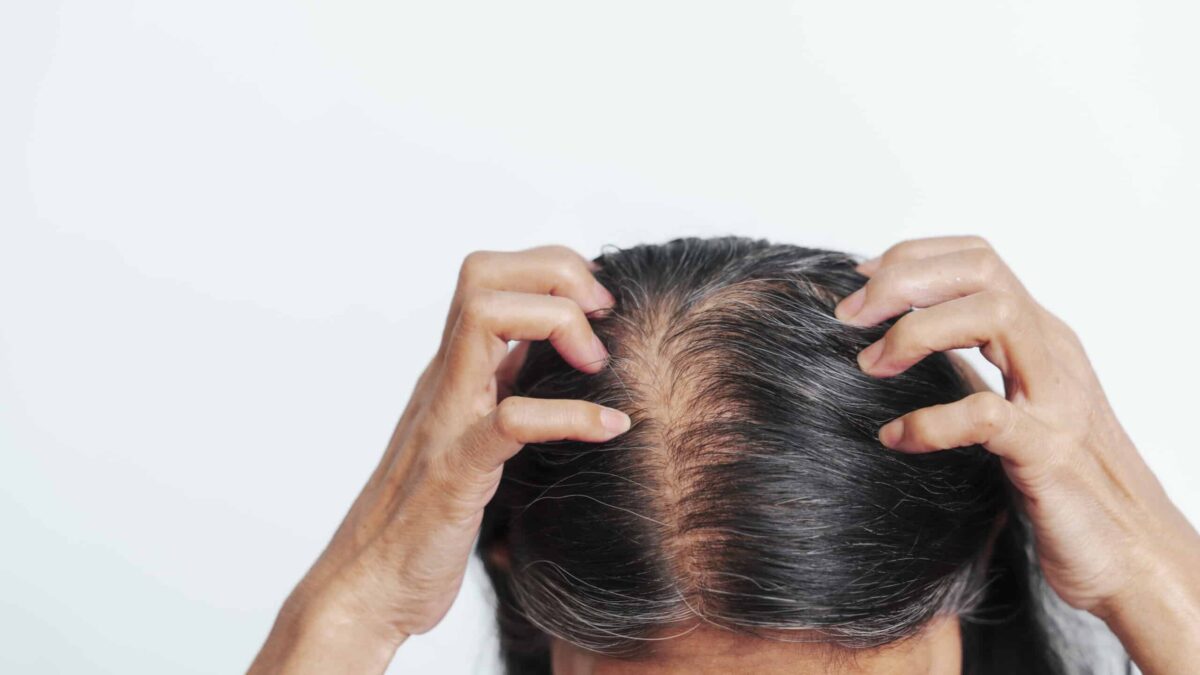
Type 3 hair loss: Patchy hair loss (Alopecia Areata)
Alopecia Areata is a hair loss disease characterized by circular patches of hair loss. In severe cases, the patches may enlarge, merge, or lead to complete hair loss. The primary treatment involves steroid injections to reduce inflammation and prevent further spread of hair loss. Minoxidil is also used to stimulate hair follicle regrowth.
In summary, treatment focuses on controlling disease progression and stimulating hair regrowth to make hair thicker and stronger.
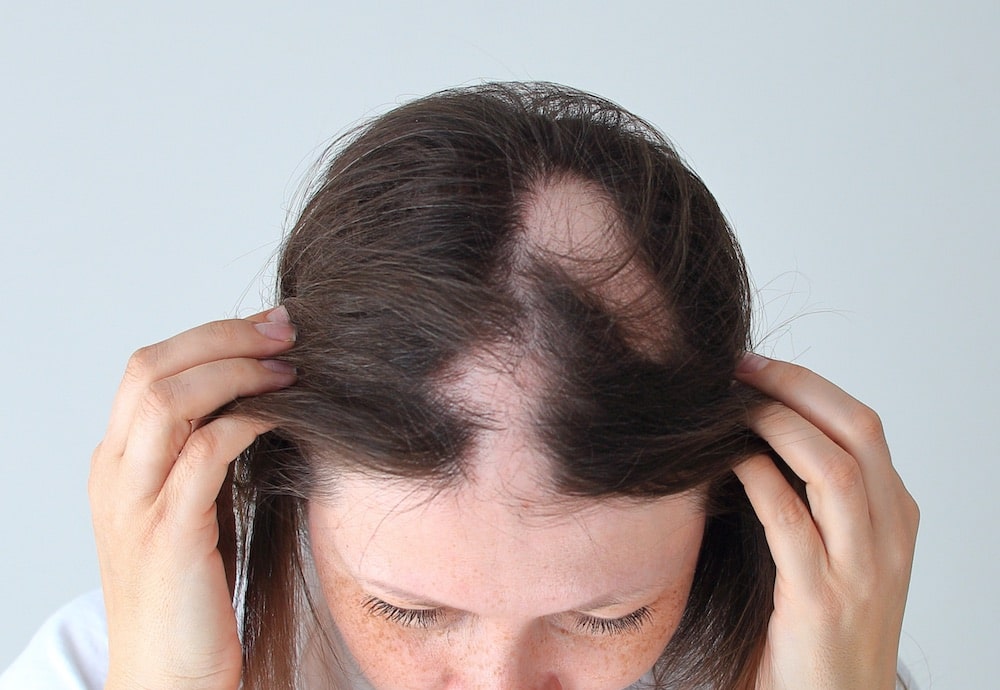
Type 4 hair loss: Congenital high facial frame / baldness.
Congenital high facial frame or baldness cannot be corrected by medication to stimulate hair regrowth. Various medications may slightly thicken the hair at the hairline, but this is only a temporary effect. If a patient desires a more aesthetically pleasing and natural-looking facial frame, permanent hair transplantation is the most effective treatment. However, it’s important to emphasize that a high facial frame may be associated with other hair loss or thinning problems. For example, if a patient wants hair transplantation to improve the facial frame but has hereditary hair thinning at the parting, DHT inhibitor medications should be used in conjunction with the transplant.
In summary, effective treatment requires a holistic approach , not just hair transplantation as a one-off solution. It involves treating all underlying hair problems simultaneously for long-term, lasting results.
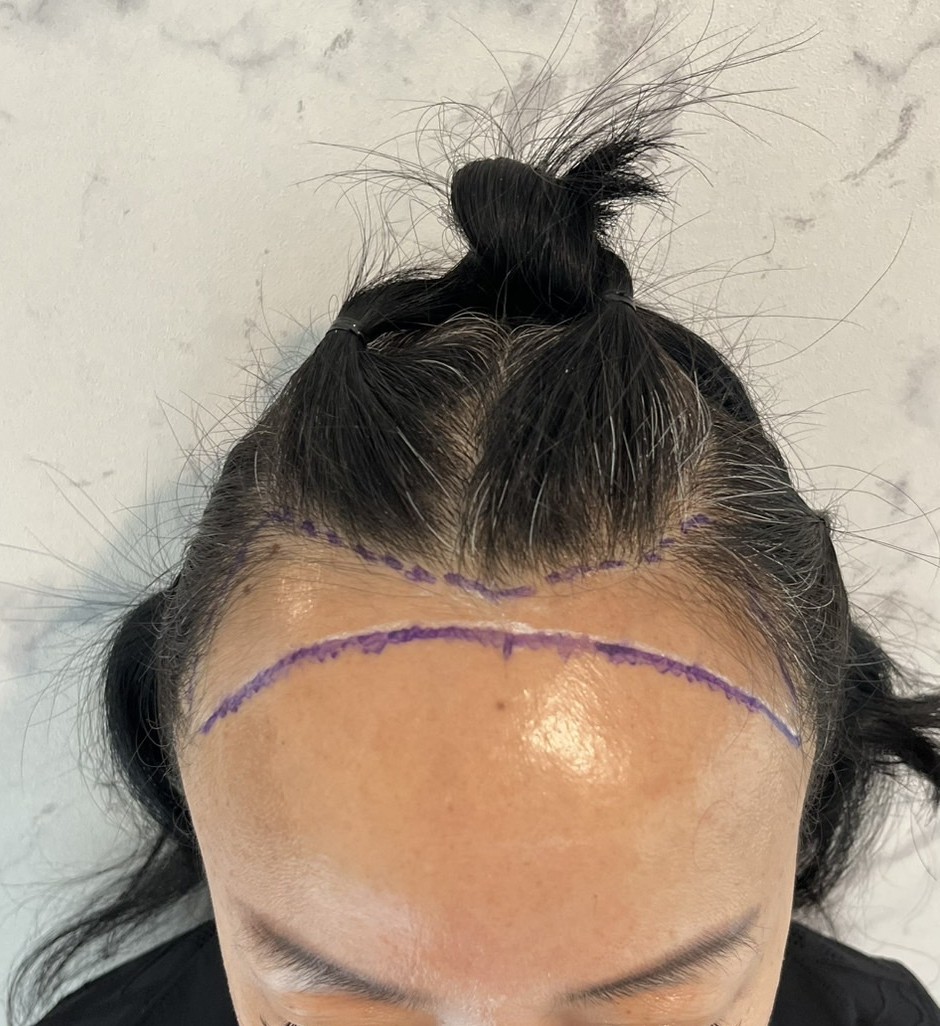
In summary, hair loss treatments vary depending on the type of hair problem, whether it’s medication, injections, or permanent hair transplantation. Therefore, patients should consult a doctor before treatment to ensure an accurate diagnosis and the creation of the most appropriate treatment plan. Self-treatment, such as buying over-the-counter medications, PRP injections, or hair transplantation without knowing the root cause, may lead to ineffective treatment, wasted time, and unnecessary expense. Doctors always recommend consulting a specialist first to ensure the most effective, visible, and worthwhile treatment.