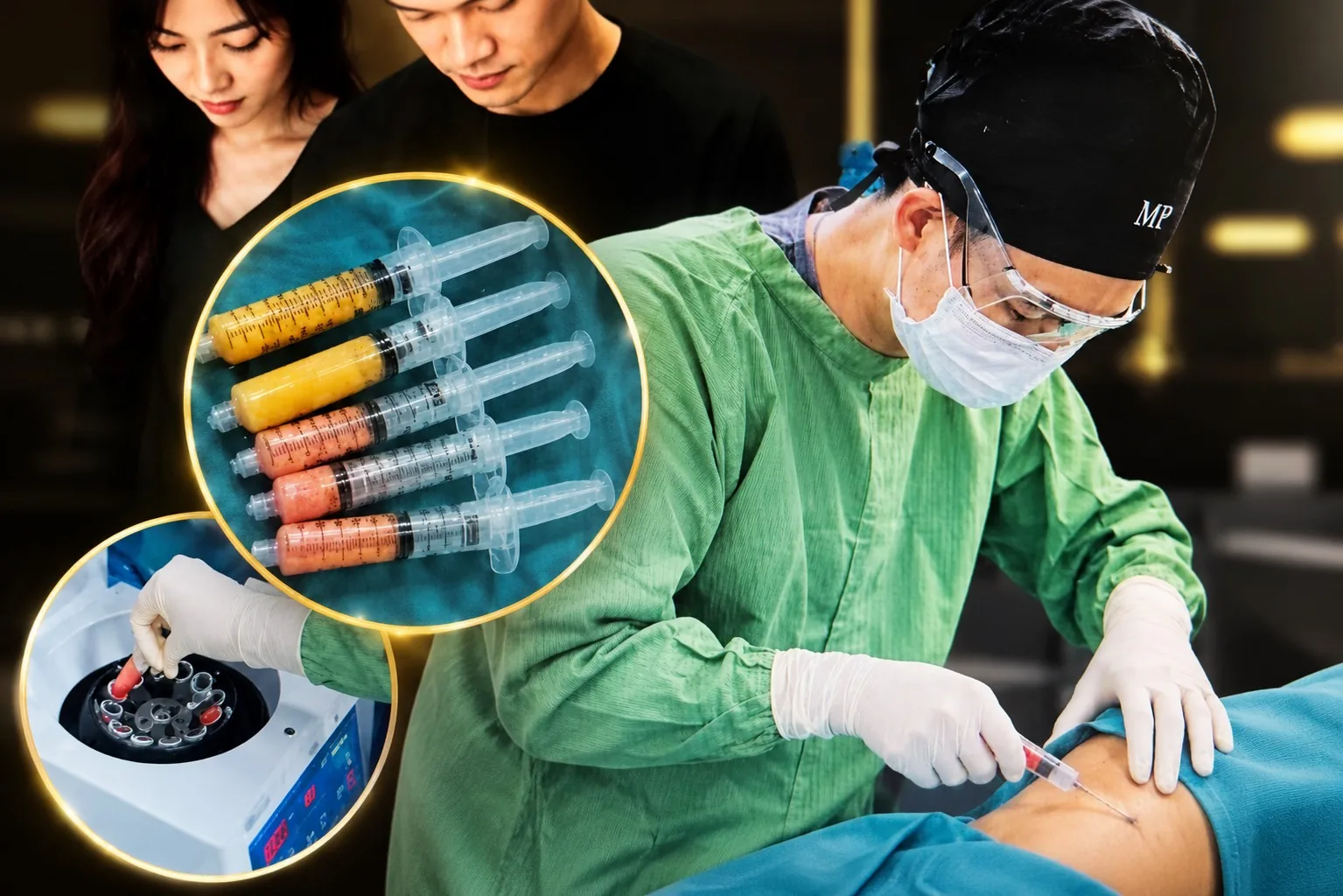
Hair follicle health is the key to healthy hair. Whether you are treating hair loss, thinning hair, baldness or you don’t have a problem yet but want to take preventative care. This article summarizes 7 basic guidelines that can be applied in everyday life.

1. Supplement essential vitamins for hair roots.
Some vitamins and minerals play an important role in building and repairing hair roots, such as:
- Zinc
- Biotin (Biotin)
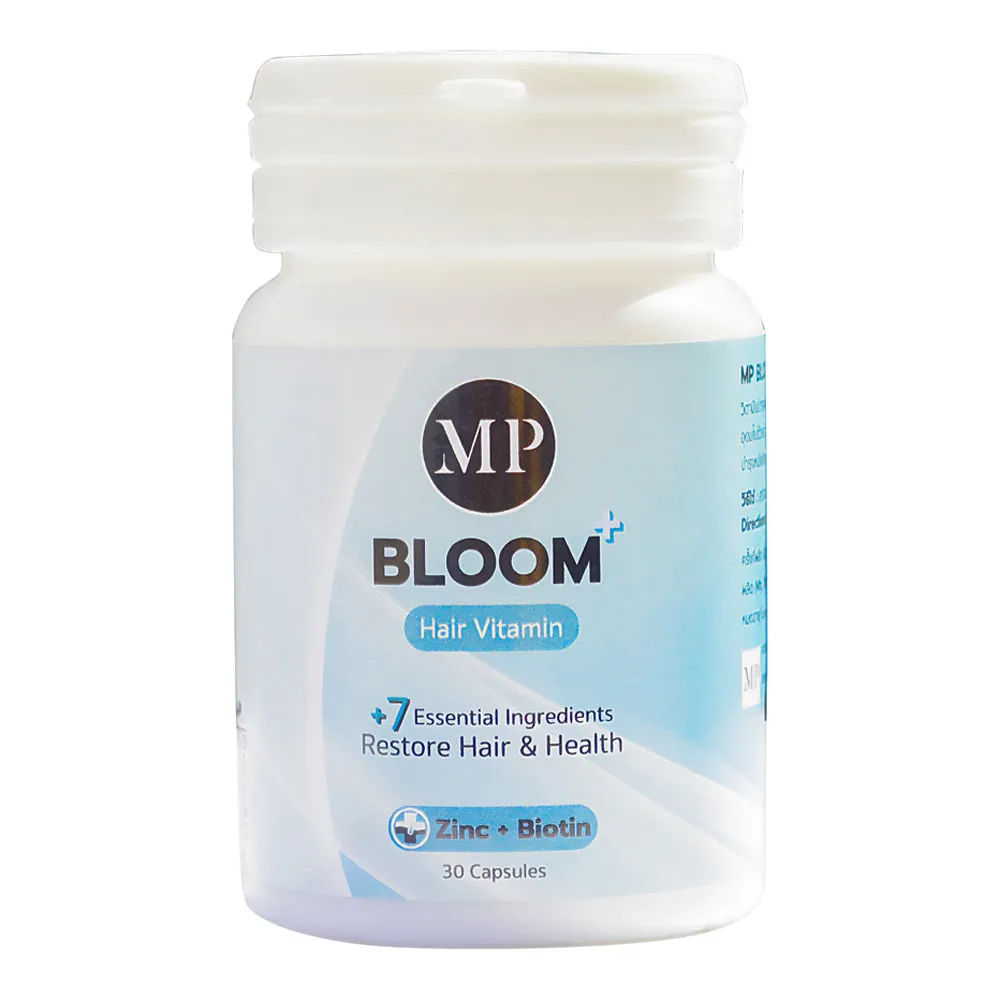
These nutrients help support the hair growth process. Reduce brittleness and strengthens the hair roots
Recommendations: You should take it continuously for 2–3 months and then evaluate the results. It is not recommended to take it continuously for a long period of time unnecessarily. To avoid body imbalance Always consult a doctor or pharmacist before taking dietary supplements.
2. Choose hair root nourishing products that have educational support.
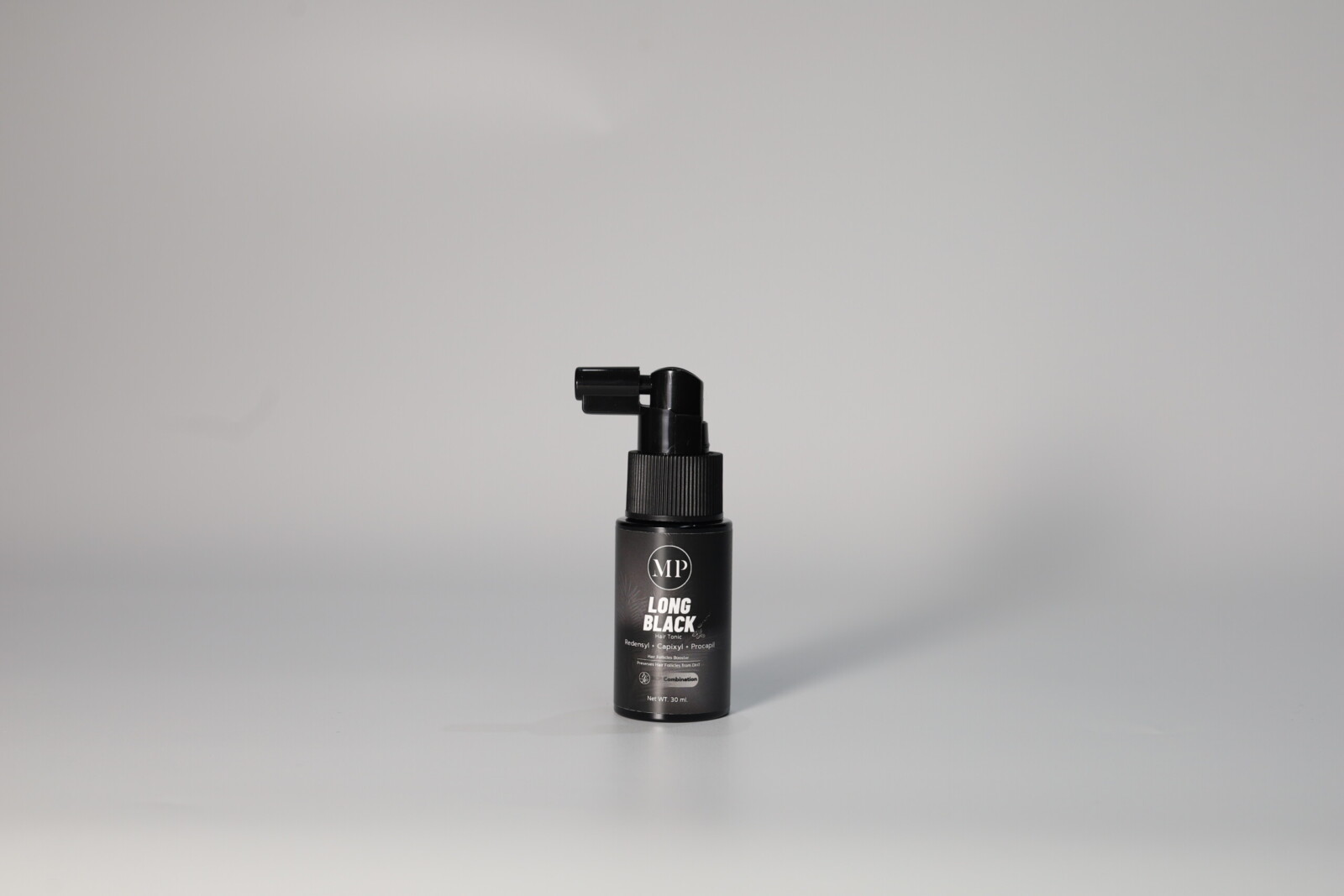
Today’s hair care products contain many ingredients that help support the hair roots, such as:
- Coffee extract (Caffeine) helps stimulate the hair roots.
- Saw Palmetto helps reduce the effects of the DHT hormone on specific areas.
- RCP group (Redensyl + Capixyl + Procapil) stimulates hair roots and reduces hair loss.
You should choose products that are supported by test data or studies. and use it continuously and appropriately
3. Take care of your scalp’s health and balance.
A healthy scalp is the foundation of healthy hair roots. Should be taken care of as follows:
- Choose a gentle shampoo.
- Avoid using extremely hot water to wash your hair.
- Doesn’t let the scalp become too dry or oily.
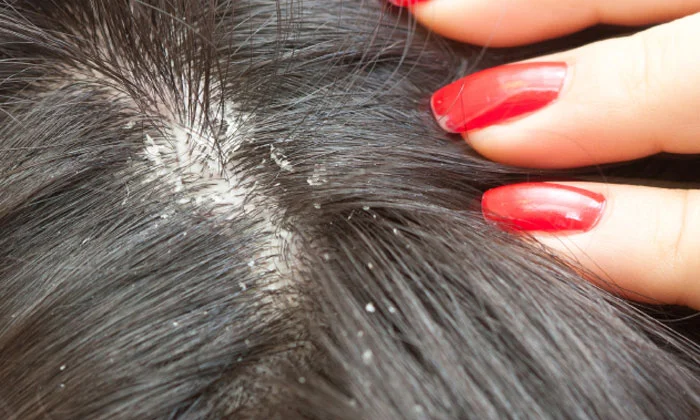
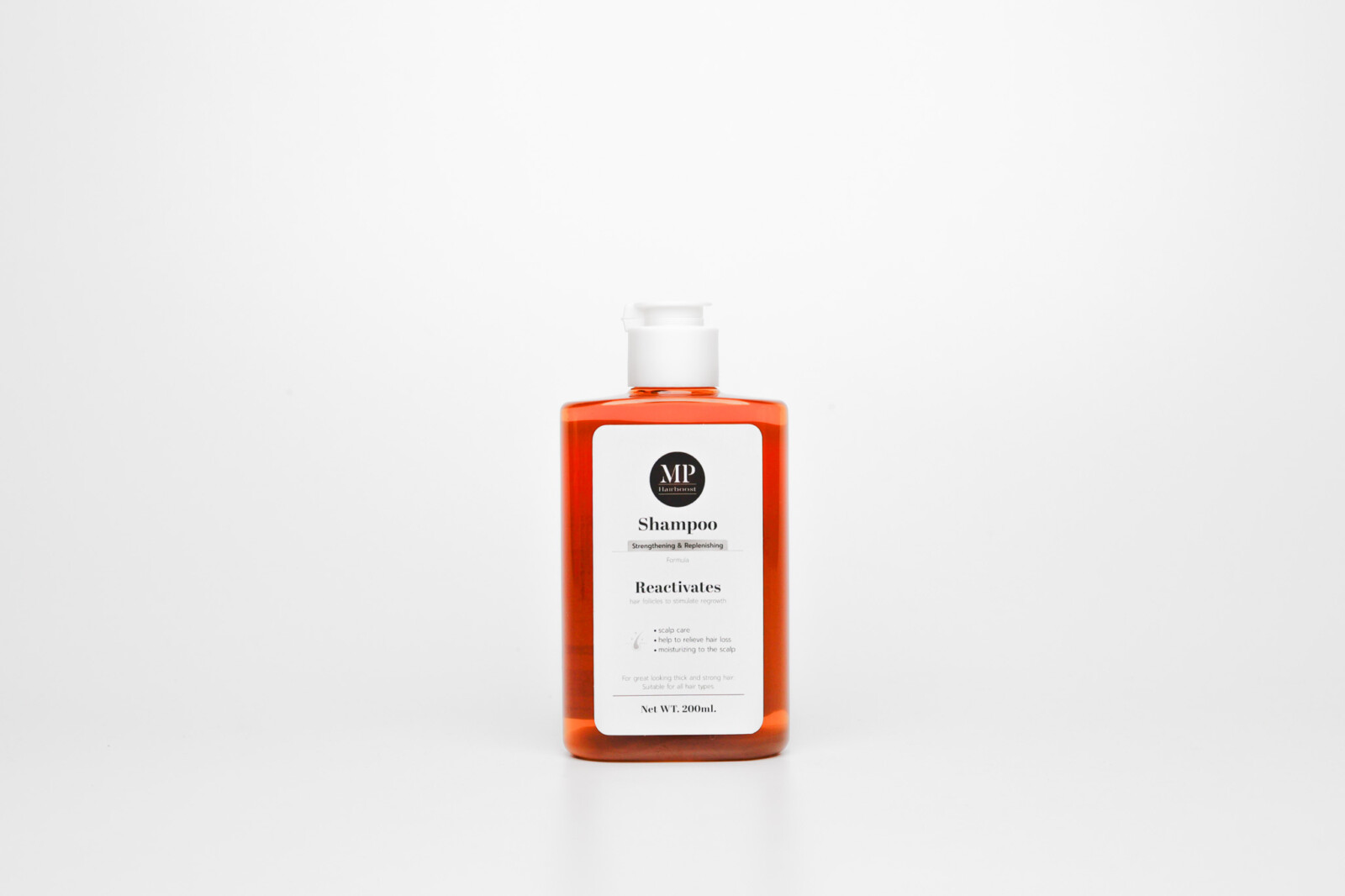
In case of problems with scalp inflammation, itching or dandruff, you should choose products that contain Zinc or Selenium to help balance and reduce inflammation
4. harm the hair Avoid chemicals and heat that.
Dyeing, perming, coloring, or using high heat on a regular basis It can cause the hair to become weak, brittle, break, or cause a “hair shock” condition.
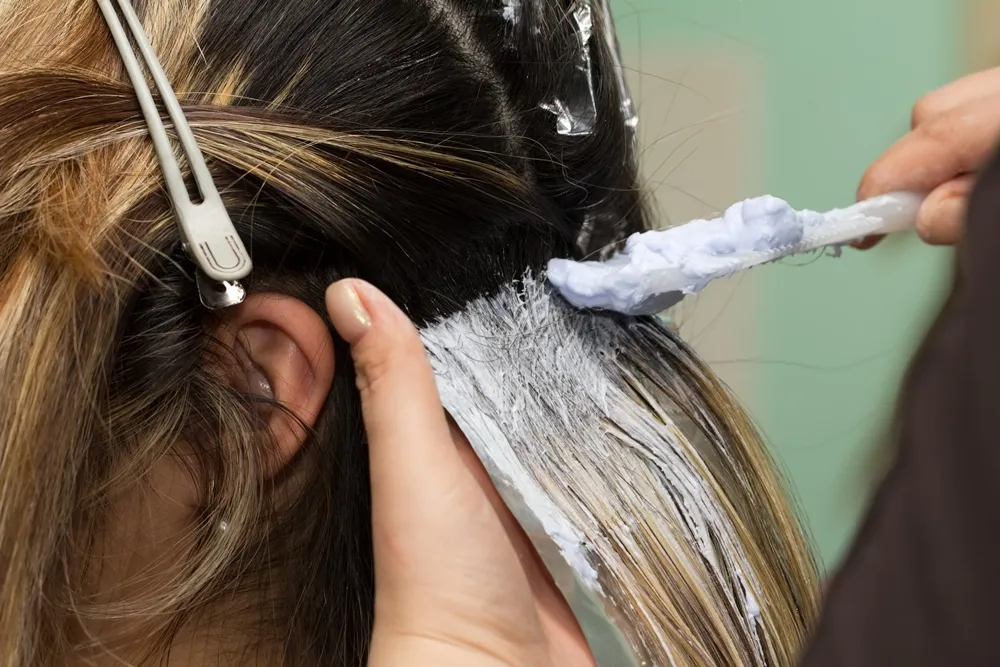
Dyeing, perming, coloring, or using high heat on a regular basis It can cause the hair to become weak, brittle, break, or cause a “hair shock” condition.
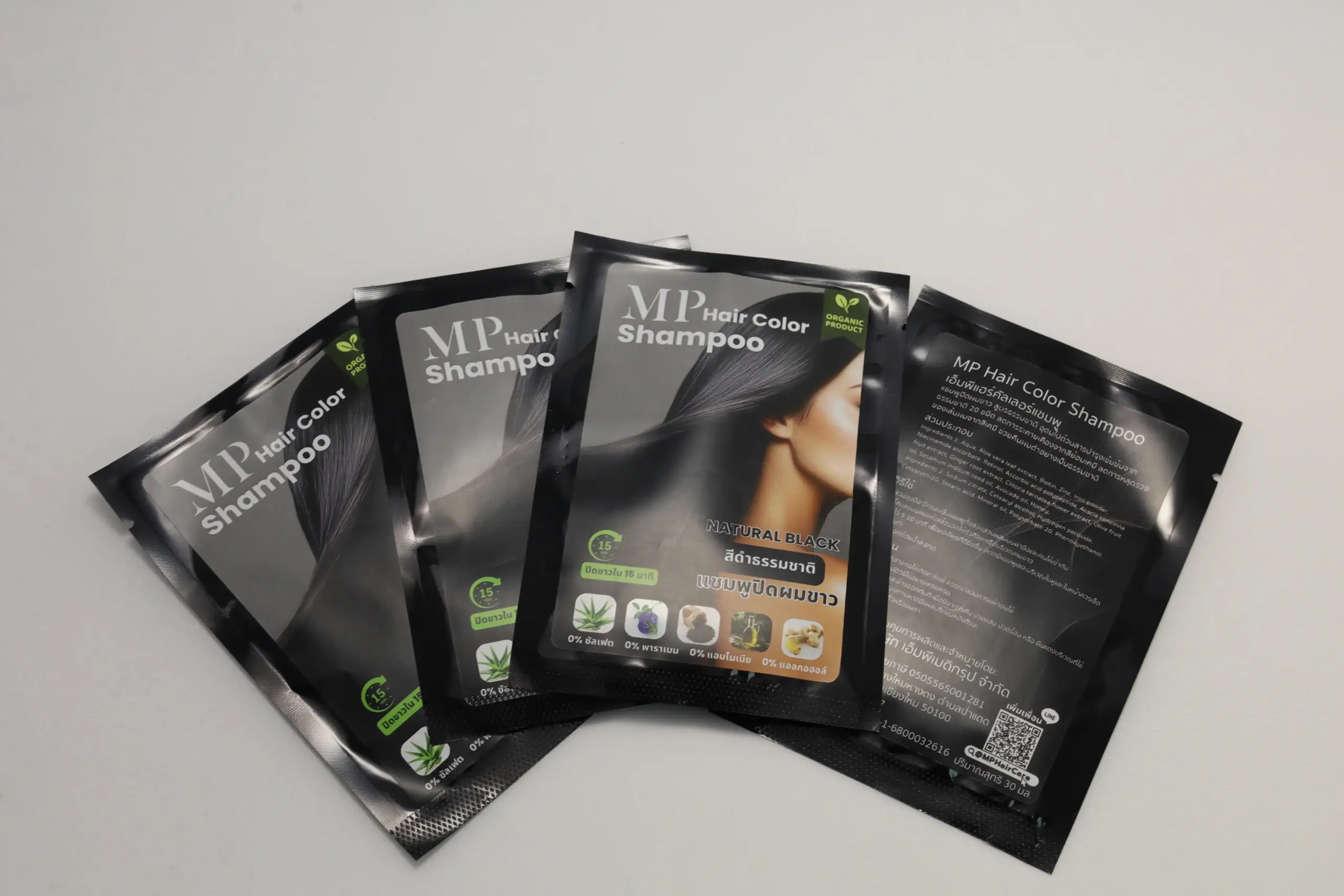
Even though there is currently no way to treat gray hair to permanently turn it black. Hair coloring is therefore a choice that is difficult for some people to avoid. Here are some suggestions:
- Choose products that contain natural extracts.
- Avoid harsh chemicals or excessive frequency.
- If you dye your hair and have abnormal hair loss You should stop and consult a doctor.
5. Red Light Therapy
Red light therapy is a popular new method in clinics. Can be done by both men and women.
Benefits of red light include:
Reduce inflammation of the scalp
Stimulate the work of the hair roots
Suitable for those who want preventive care or are in the process of treating hair loss and thinning hair.

6. Do a spa/scalp detox and PRP.
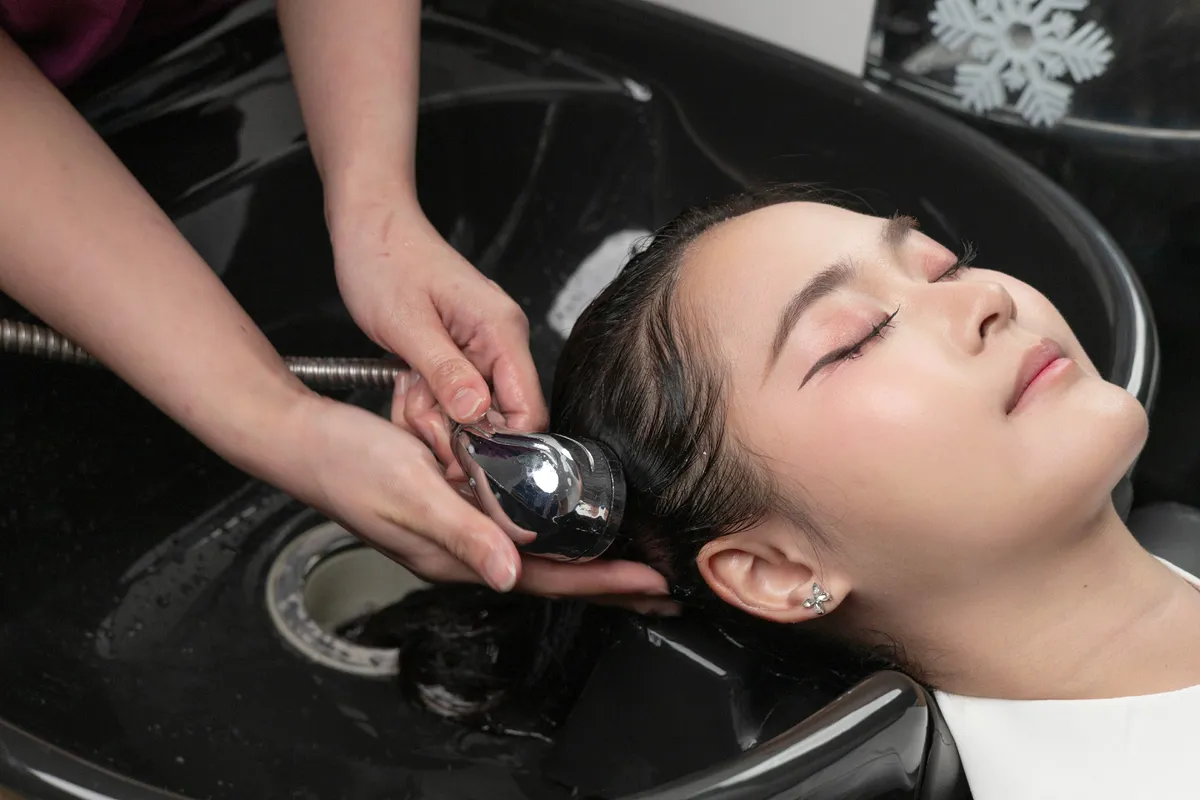
Scalp spa or detox Helps deep clean Balancing oil and promote healthy scalp health Reduce inflammation and hair loss.
PRP (Platelet-Rich Plasma) is the use of your own platelets to nourish the scalp. To stimulate hair follicle cells, reduce hair loss and promote the strength of hair roots.
Both methods can be treated at a hair transplant clinic for better results.
7. DHT Blocker drugs for hereditary thinning hair.
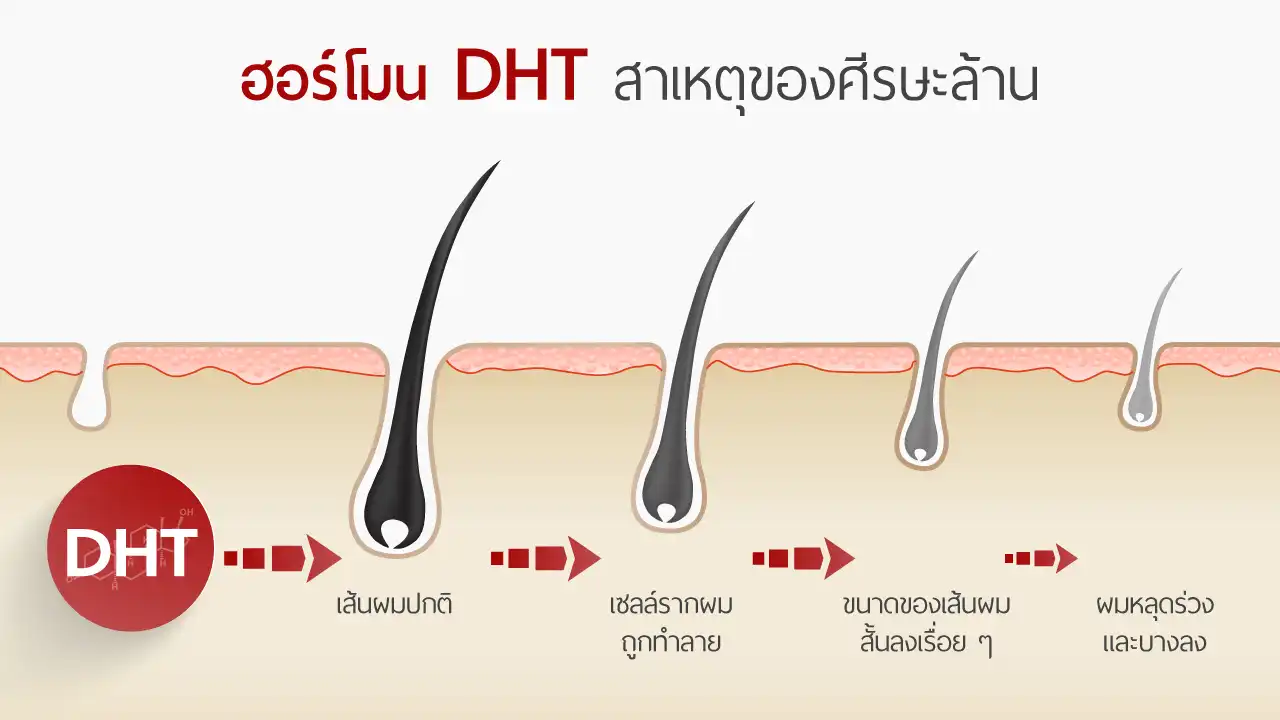
In people with hereditary thinning or fine hair, the hormone DHT is an important factor that causes the hair follicles to shrink.
Using DHT inhibitors (DHT Blocker), especially the oral form It is the most clinically evidence-backed approach to delay thinning and reduce shedding.
Currently, there is no way to permanently cure hereditary thinning hair. Treatment therefore focuses on controlling and slowing the progression of the disease. Use of the drug should be under the supervision of a doctor.
Currently, there is no way to permanently cure hereditary thinning hair. Treatment therefore focuses on controlling and slowing the progression of the disease. Use of the drug should be under the supervision of a doctor.
summarize
Caring for your hair roots isn’t complicated. If you start with the correct basics:
- Supplement essential nutrients
- Choose the right product
- Maintain a balanced scalp
- Avoid factors that damage the hair.
- Use technology or medical treatment appropriately
Whether during treatment or preventative care Starting today will make your hair stronger and last longer.