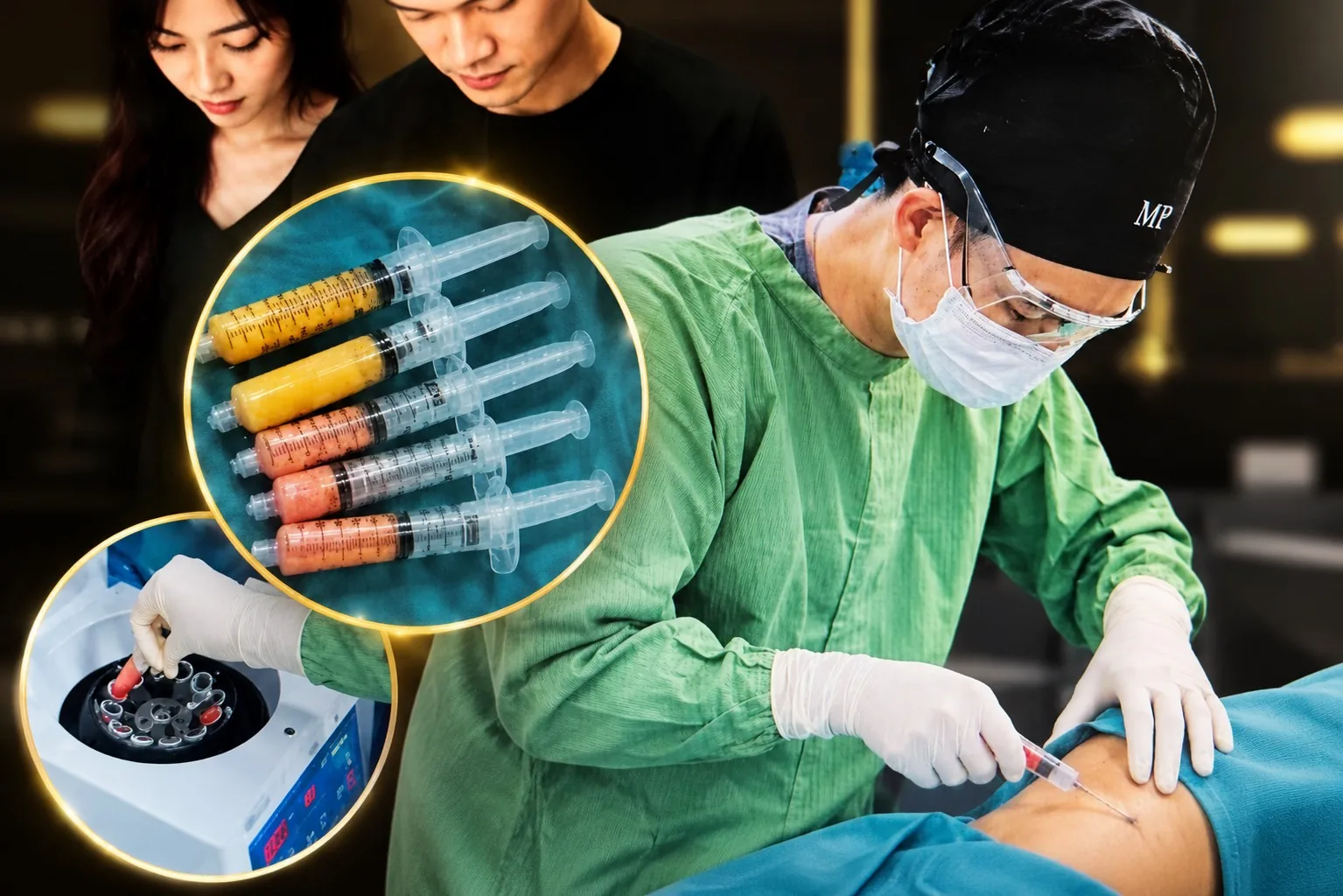
Check carefully! Before deciding on a hair transplant, you should know whether you have a problem with “thinning hair” or “hair loss leading to baldness.”
Many people who are starting to experience hair problems may be unsure whether they should consider hair transplantation or other treatments first. Therefore, there is a preliminary checklist that can be used for self-assessment before consulting a doctor. This helps in better understanding the condition of your hair and choosing the most appropriate treatment approach.
Step 1: First, determine whether your problem is “thinning hair” or “baldness.”
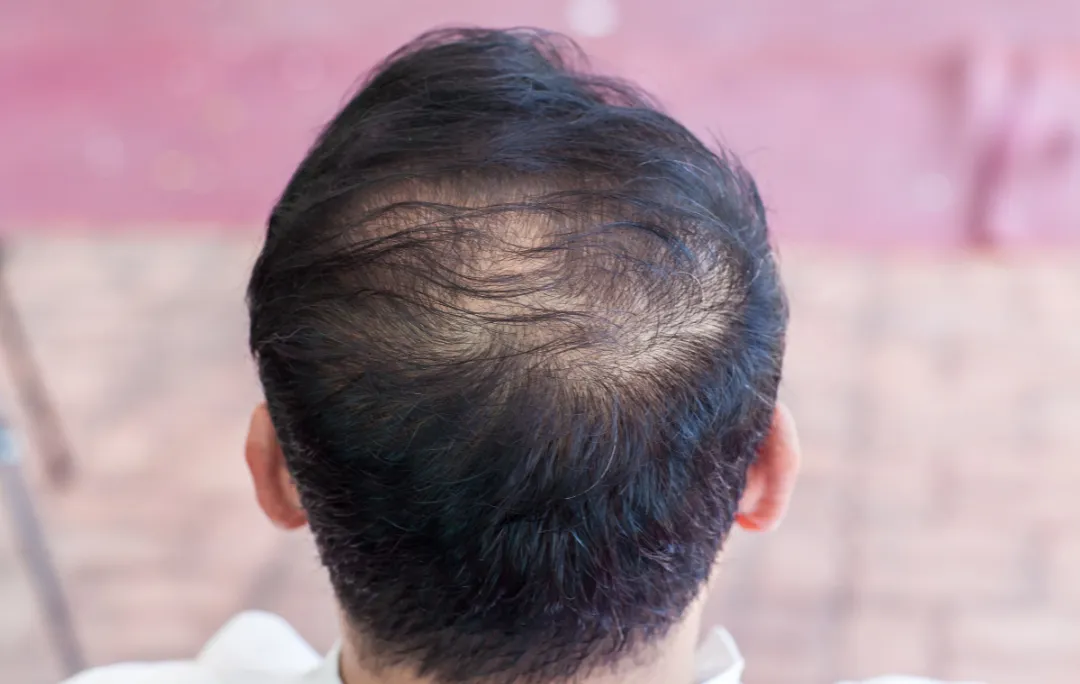
- In cases of hair thinning, hair strands are still present, but they are becoming thinner and thinner over time, and the scalp becomes more visible. In many cases, hair loss can be restored without the need for hair transplantation.

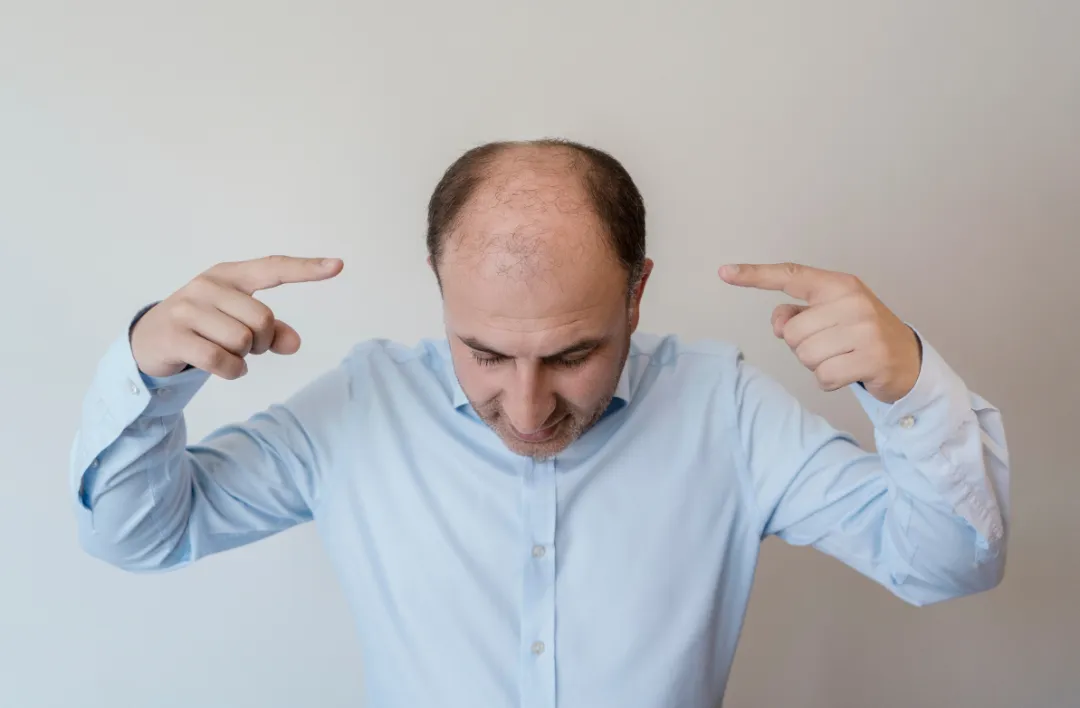
2. In cases of baldness, this is a condition where hair loss leads to areas where no hair grows back at all. In some areas, this may be visible as a large patch of baldness. If it reaches this stage, a medical evaluation may be necessary to plan for hair transplantation or choose other appropriate treatment options.
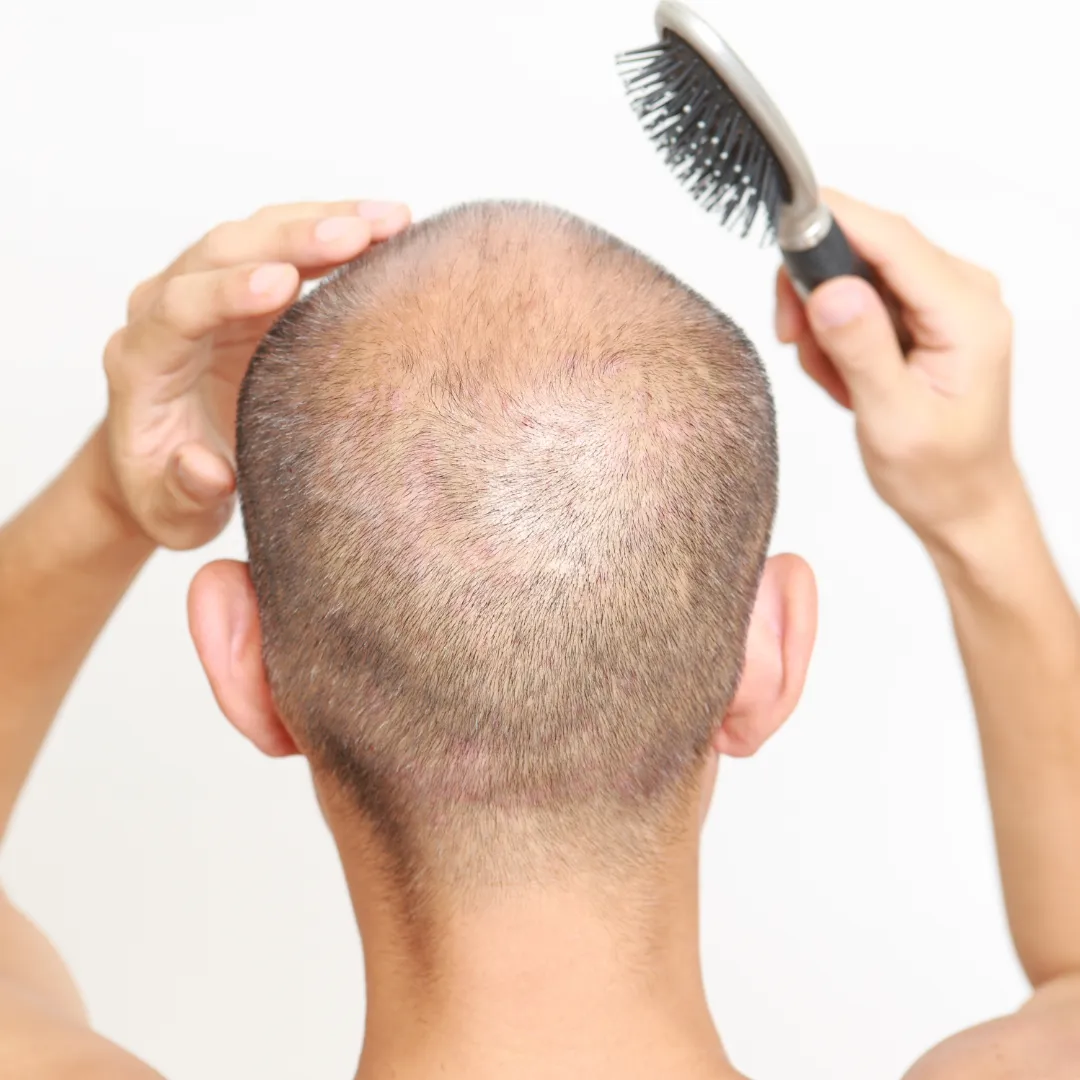
In summary, if hair loss is at level 1, hair transplantation is not yet necessary. It can be treated with medication, light therapy, or injections into areas where hair follicles are still present to strengthen and thicken the hair, although complete hair regrowth may not be possible. However, if the baldness is like in level 2, hair transplantation is usually necessary and will be considered further.
Proceed as appropriate in step 2.
Step 2: Assess whether hair transplantation is possible.
For successful hair transplantation, it is essential to consider the characteristics of the hair follicles in the back of the head, which are the primary source of hair follicles used for transplantation to areas of thinning or baldness. The following are important criteria:
1. The amount of hair roots must be sufficient and complete.
A sufficient number of hair follicles are needed in the nape of the neck for transplantation. If the area is dense and the hair is strong, the hair roots can be safely harvested without causing the area to look thin, and the transplantation can begin immediately or within 1-2 months.

2. Weak hair roots.
For individuals with weak, insufficient, or incomplete hair roots (such as very small and fine roots), they are often not ready for hair transplantation immediately. They should first undergo treatment with medication to strengthen the hair roots before harvesting and transplanting. This preparation and nourishment process typically takes 4-5 months to achieve the best and most satisfactory results before transplantation.
3. Insufficient hair roots.
For individuals with no hair follicles at all, such as those with very few or very fine hair follicles, hair transplantation is not yet possible due to certain limitations regarding the quality of the hair follicles.
1. Patients who have undergone hair transplantation once or twice have had their hair follicles harvested, leaving only old scars at the nape of the neck, with no more hair roots to harvest.
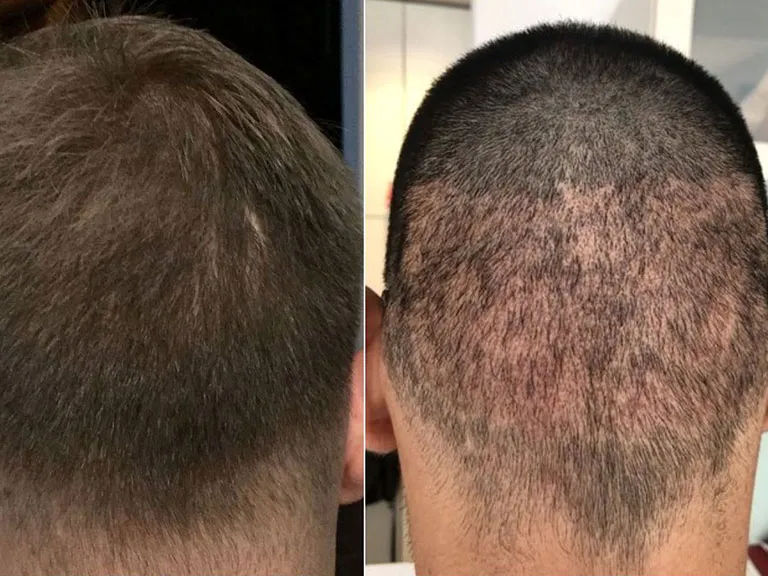
Two groups of very weak hairs are Tiny Hairs/Senile Alopecia/Diffuse Alopecia. These individuals have severe hair thinning or weak hair that cannot be harvested due to the poor quality and very small quantity of grafts. Even harvesting a small amount can lead to significant hair loss at the nape of the neck, resulting in baldness. Furthermore, hair transplantation yields unsatisfactory results. Therefore, doctors recommend treatment alternatives such as PRP (Platelet-Rich Plasma) or AMT (Autologous Micrografting Technology) to maintain and restore hair health instead of transplantation.
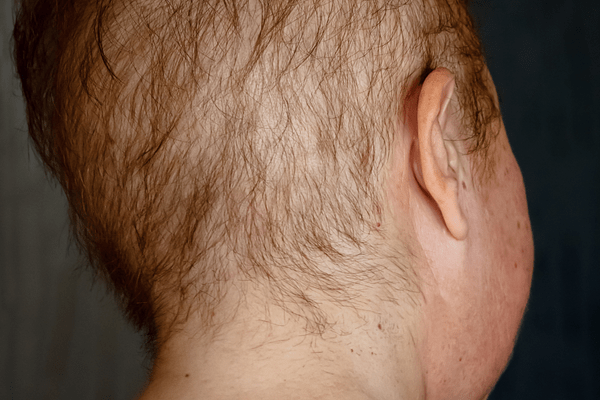
In summary, the initial assessment should begin by observing whether there is a problem with thinning hair or baldness. If hair is thinning, it is recommended to start using hair supplements to strengthen the hair.
However, if you have hair loss problems, consider step 2: examine the nape of the neck to assess the amount and health of the hair. If there is sufficient hair, hair transplantation is possible. But if the hair volume is low or borderline, the doctor will not recommend it.
However, for those who are unsure after assessment, or who know exactly which category their problem falls into, they can come to the clinic for a second opinion from a doctor. Those seeking consultation will receive all the details before deciding on treatment and will be able to choose the treatment that is most appropriate for their problem.