Many people use hair growth medications without seeing results because they do not understand the mechanism of action of the drugs correctly. Currently, hair growth medications can be divided into two main groups.
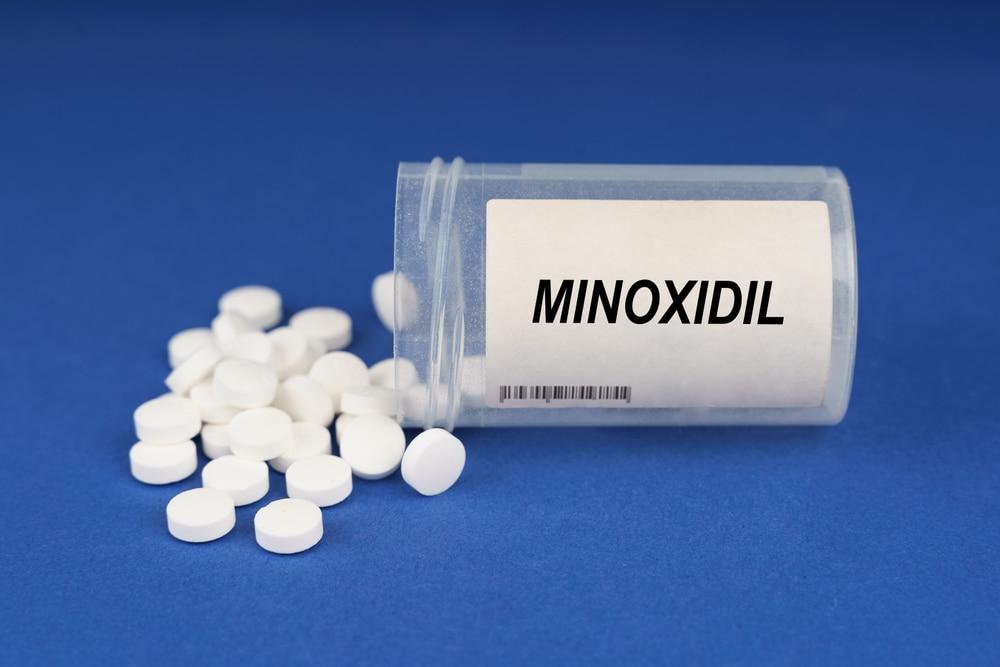
Group 1: Minoxidil . Minoxidil stimulates hair follicles to become stronger and helps new hair grow thicker and stronger. However, it does not prevent hair loss caused by hormones or genetics. If used alone, some individuals may still experience hair loss, so the results may not be noticeable.
Group 2: Anti-DHT hormone medications.
This group of medications works by reducing the production of the hormone DHT , which is the primary cause of hereditary and hormonal hair loss. Drugs in this class include Finasteride, Dutasteride, and Spironolactone. Using anti-DHT medications helps slow hair loss and preserve existing hair, making it the primary treatment for those with hereditary hair loss. Without these medications, hair loss may continue.

Here are three main reasons why hair growth medications may not be effective:
(Point 1) Using the wrong medication for the problem is the most common cause. People with hereditary hair loss or thinning need to use DHT-blocking medications , but many use only Minoxidil. While Minoxidil can make hair appear thicker, it cannot stop hereditary hair loss, so hair continues to fall out. A doctor’s recommendation is to choose medication that addresses the root cause of the problem.
หากมีปัจจัยเรื่องกรรมพันธุ์ ควรปรึกษาแพทย์เพื่อใช้ยาต้าน DHT ร่วมกับ Minoxidil เพื่อช่วยทั้งลดผมร่วงและกระตุ้นการงอกของเส้นผมอย่างมีประสิทธิภาพ
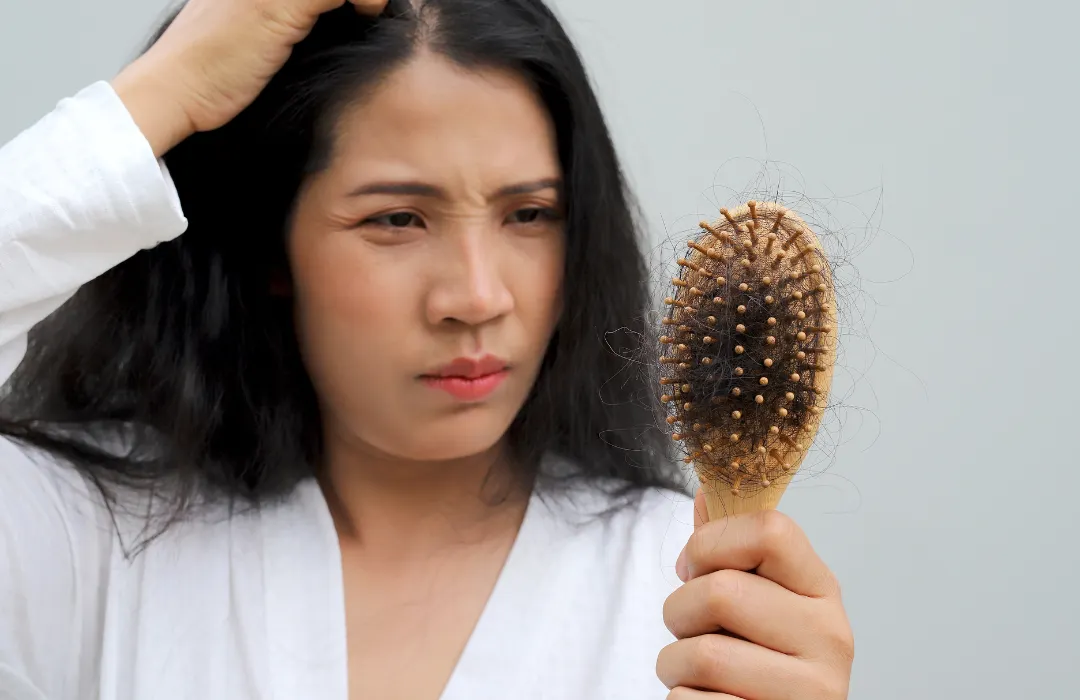
(Point 2) Using the medication shortly enough to see results, especially during the first 2–8 weeks of using Minoxidil, may cause a condition called Minoxidil-Induced Hair Loss , where hair loss increases temporarily. This causes many people to mistakenly believe the medication is ineffective or causing more hair loss, leading them to stop using it prematurely. In reality, this is a normal process of shedding old hair to prepare for new hair growth. Doctors recommend continuous use of the medication for at least 2 months, after which significant improvements will begin to be seen.
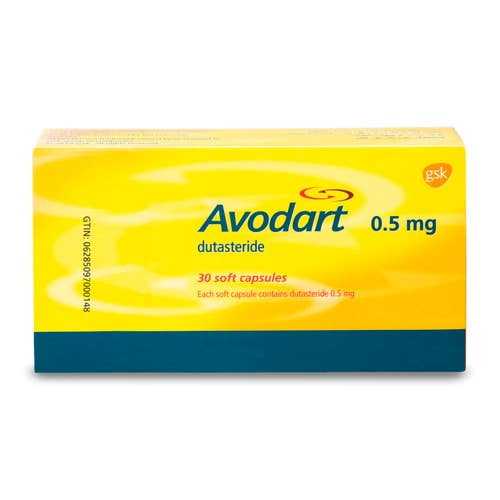
(Point 3) The body does not respond to Finasteride. Normally, DHT hormone is produced from the conversion of testosterone via the enzymes 5alpha-reductase type I and II. Finasteride can only inhibit 5alpha-reductase type II. In individuals with severe hereditary hair loss, Finasteride may not be effective. To inhibit both 5alpha-reductase type I and II, Dutasteride, a stronger medication, is needed.
- Finasteride 1 mg/day can reduce DHT levels by approximately 65–70%.
- Dutasteride 0.5 mg/day can reduce DHT levels by approximately 90–95%.
Therefore, in some cases, the type of medication may need to be adjusted under the supervision of a doctor to achieve the best treatment results.
Summary of hair growth medication use.
Hair growth medications are considered the easiest and most convenient method , but there are several details and factors to consider. Patients should consult a doctor before using any medication for safety reasons and to ensure the best possible treatment results, tailored to the root cause of their hair loss.