Hair loss, thinning hair, or a receding hairline are problems that affect both one’s appearance and confidence. Many people therefore look for ways to restore their hair that give natural-looking results without relying on traditional hair transplant surgery.
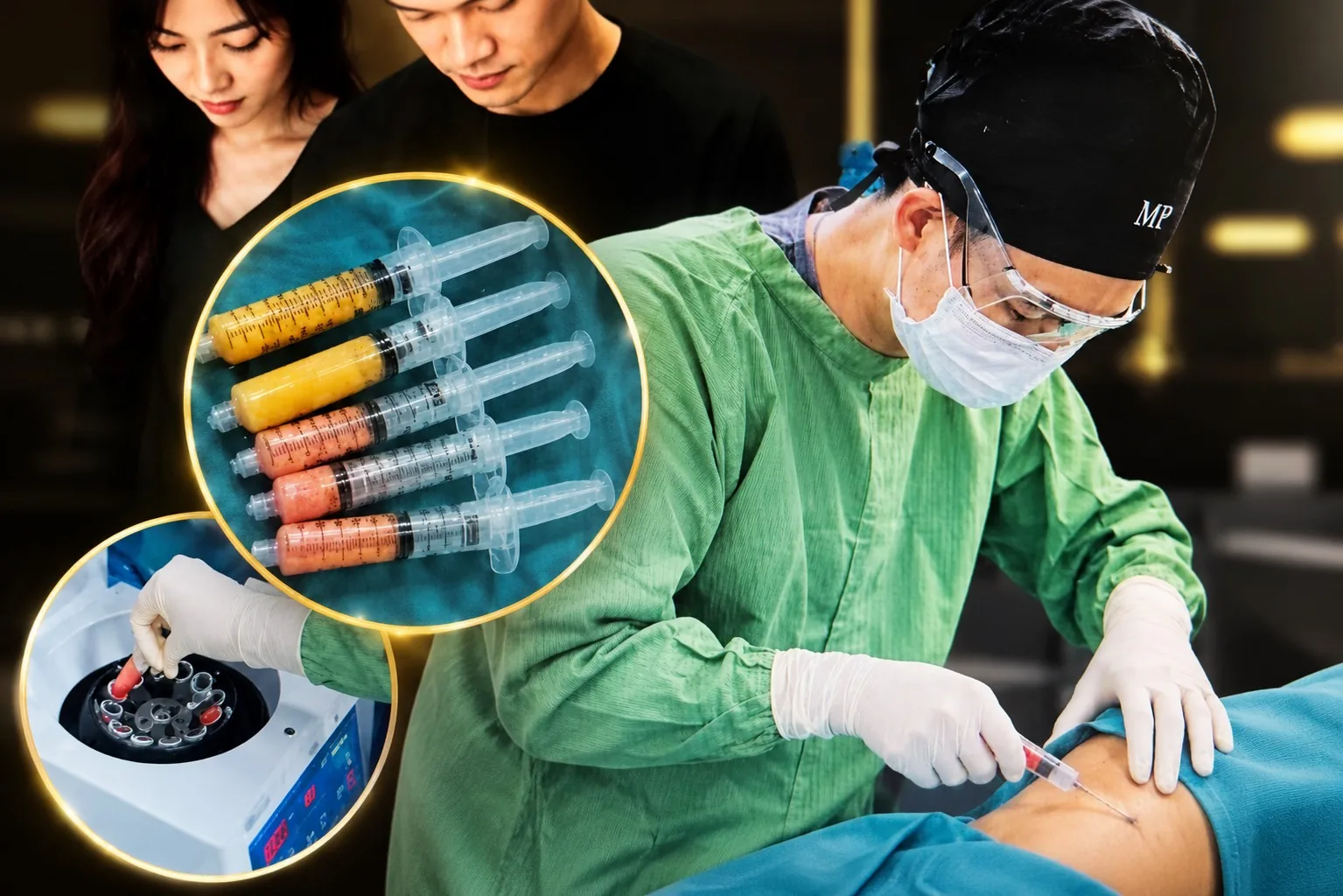
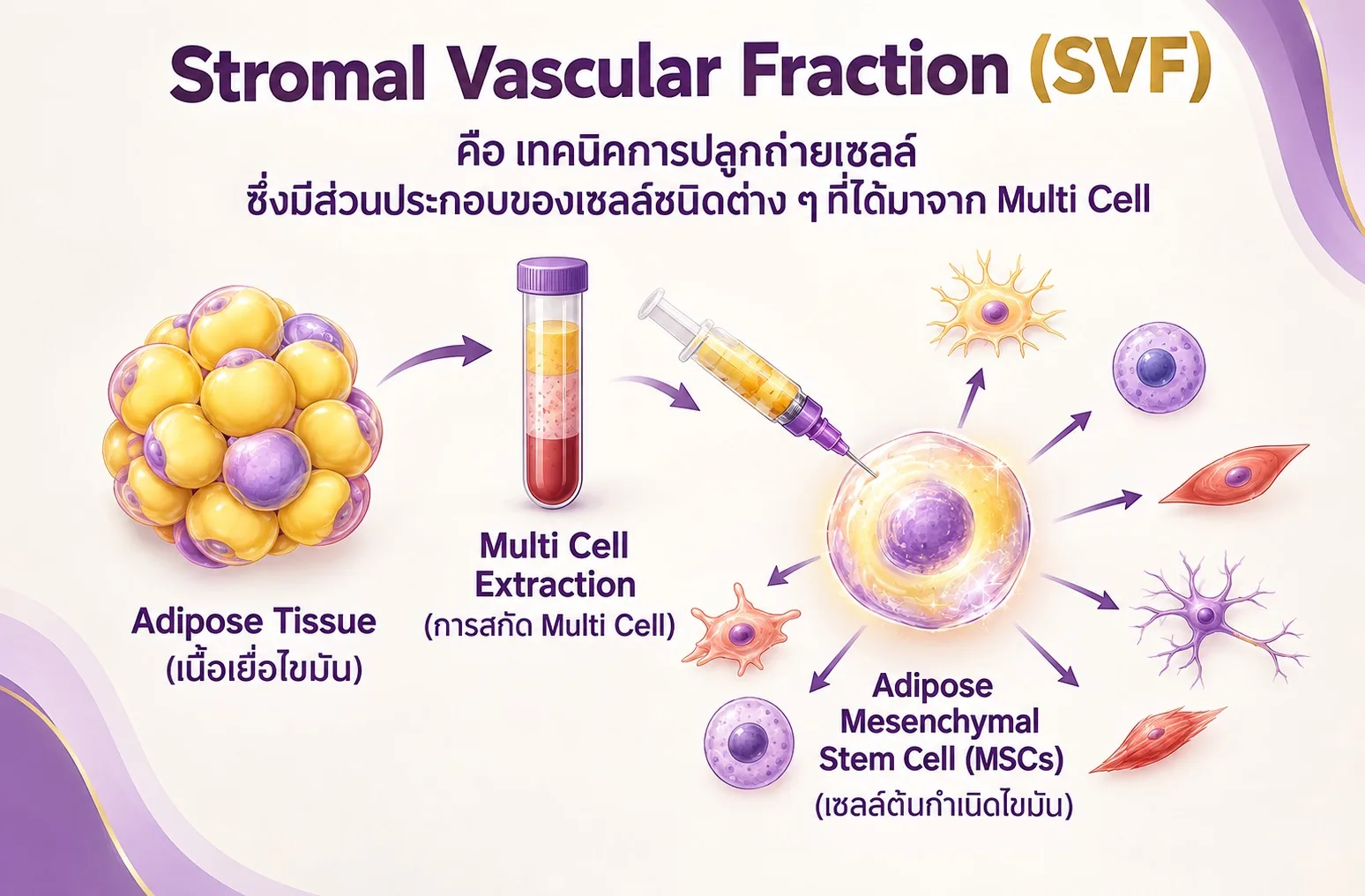
nanoFat + SVF Transplant is another approach that applies cells and components from the body’s own fat to help restore the scalp and hair. This image illustrates how SVF (Stromal Vascular Fraction) and Nanofat work together.
The key concept is to use resources from the client’s own body to create an environment suitable for restoring the scalp and hair roots.
What Is Nanofat?
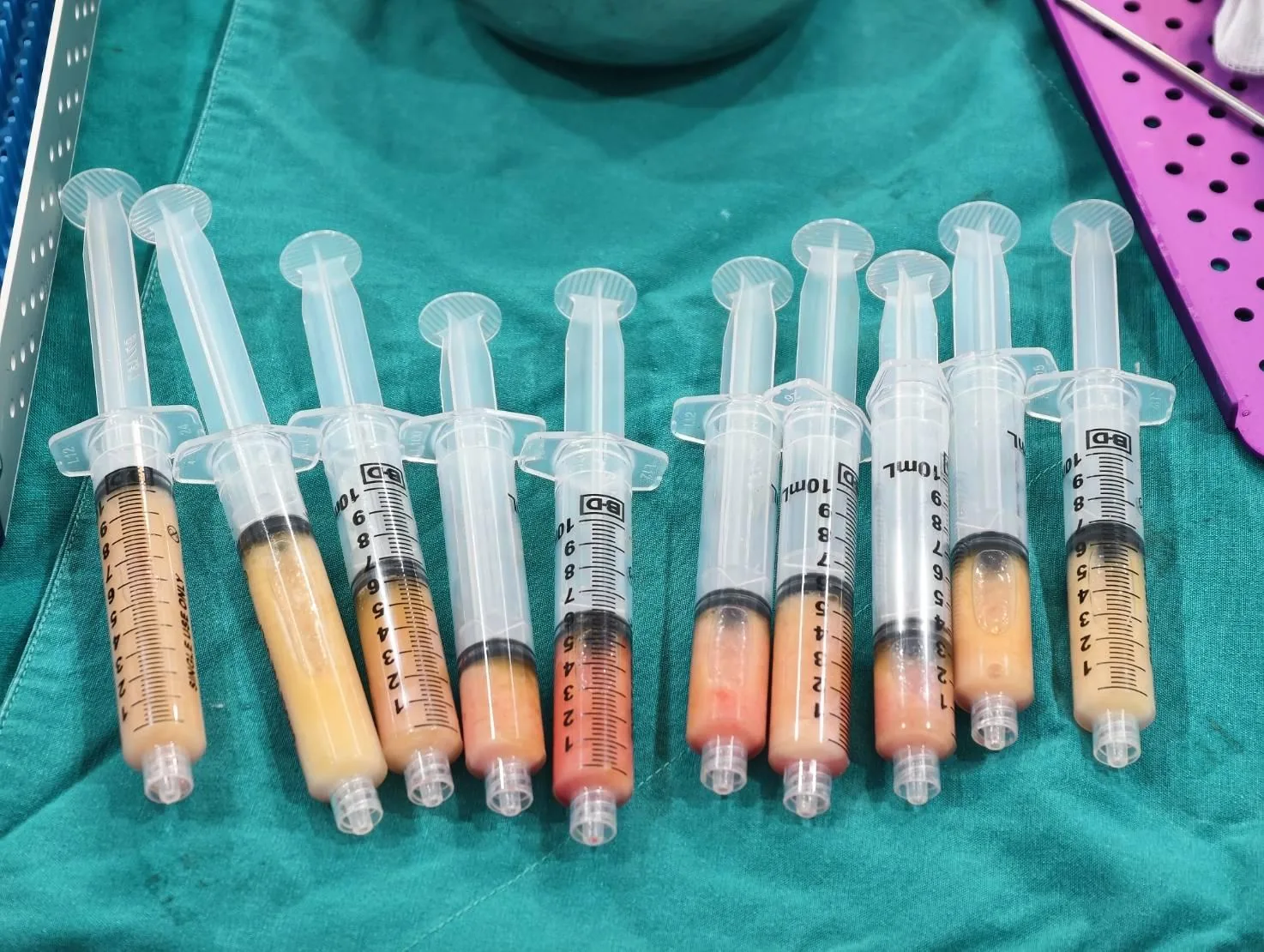
Nanofat is fat that has gone through a preparation process to reduce its particle size so that it can be used in tissue-regeneration applications.
The strength of ADSI is not only about using fat to fill in a desired area, but about utilizing the various components within the fat tissue, especially in the field of regenerative medicine.
When applied to the scalp, the concept is to help create an environment conducive to the regeneration of the tissue around the hair roots.
What Is SVF, and How Is It Related to Hair?
SVF, or Stromal Vascular Fraction, is a group of cells and components obtained from fat tissue after going through a defined separation and preparation process.
Within SVF there are several types of cells, such as:
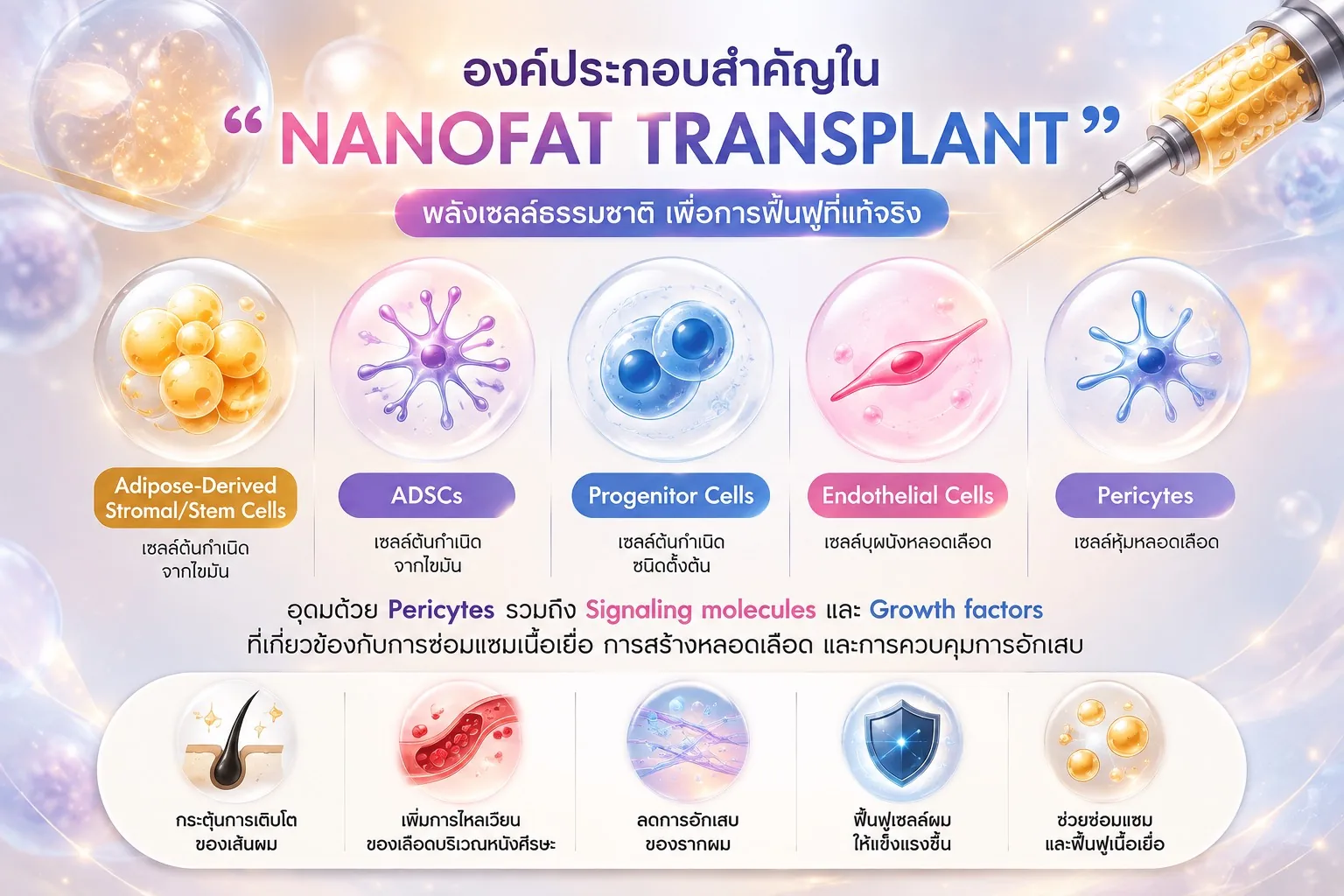
- Adipose-derived stromal/stem cells (ADSCs)
- Pericytes, or cells associated with blood vessels
- Endothelial cells, which are associated with blood vessels
- Immune cells, which are related to the immune system
These cells play roles in various processes in the body, such as cell-to-cell communication, blood-vessel formation, inflammation control, and tissue repair.
Therefore, the concept of using SVF on the scalp focuses on supporting the environment around the hair roots, rather than directly “using cells to create new hair.”
How Do SVF + Nanofat Work Together?
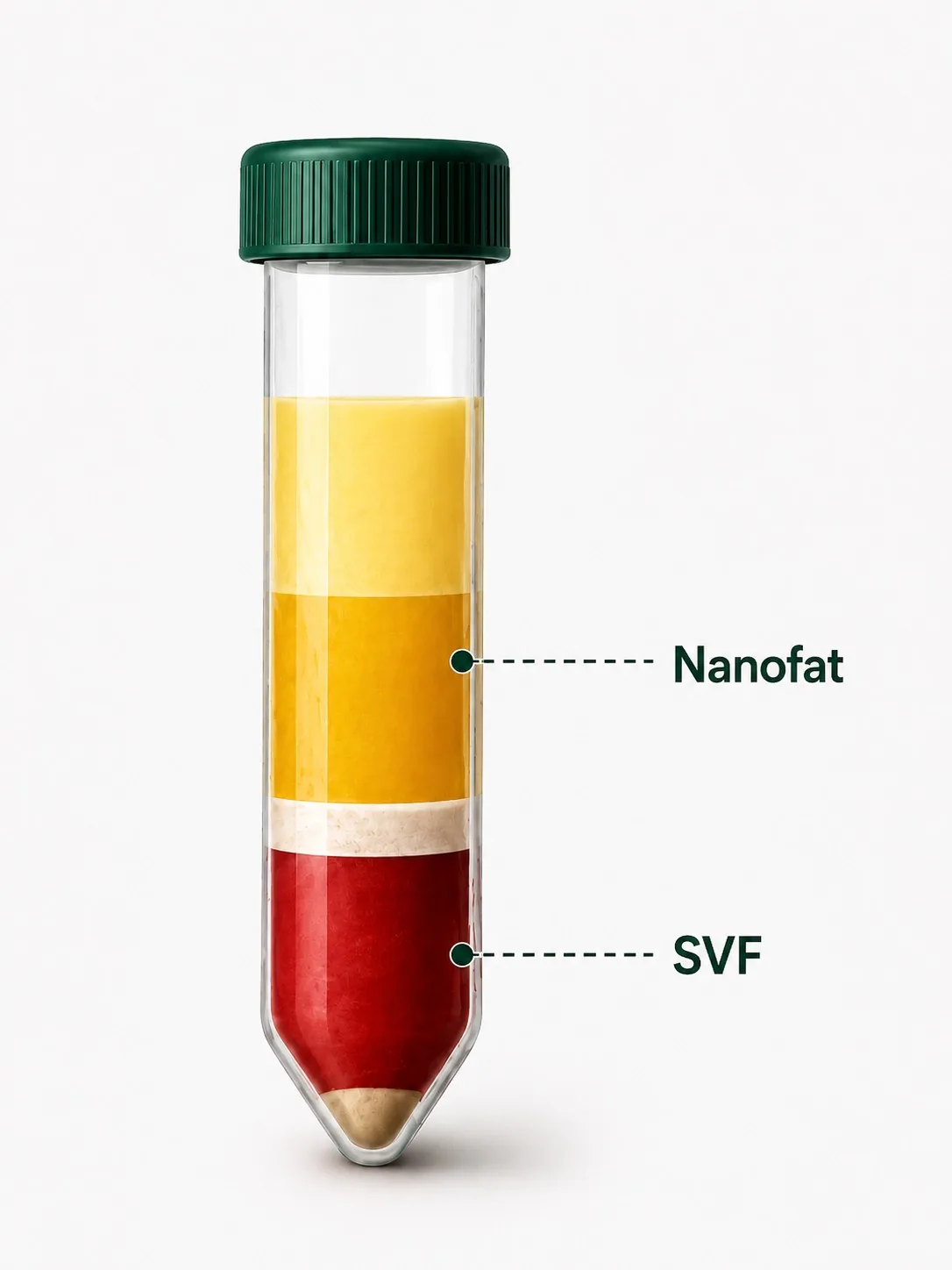
The treatment concept shown here is to use SVF and Nanofat together to help care for the environment of the scalp and hair roots.
It can be explained simply as follows:
SVF = the group of cells and components that play a role in tissue regeneration. Nanofat = fat tissue that has been prepared to be suitable for use in the regeneration process.
Once prepared according to the procedure, the resulting product is applied to the scalp according to the doctor’s treatment plan.
The goal is to support key processes such as blood-vessel formation, reduction of inflammation, and regeneration of the scalp tissue, which may help create an environment suitable for the functioning of the hair roots.
Steps for Preparing SVF + Nanofat
In general, the process presented in the image can be summarized into 5 main steps.
1. Harvesting Fat from the Body
The doctor harvests fat tissue from the client’s thigh area, using a technique appropriate for each individual.
2. Preparing It into Nanofat
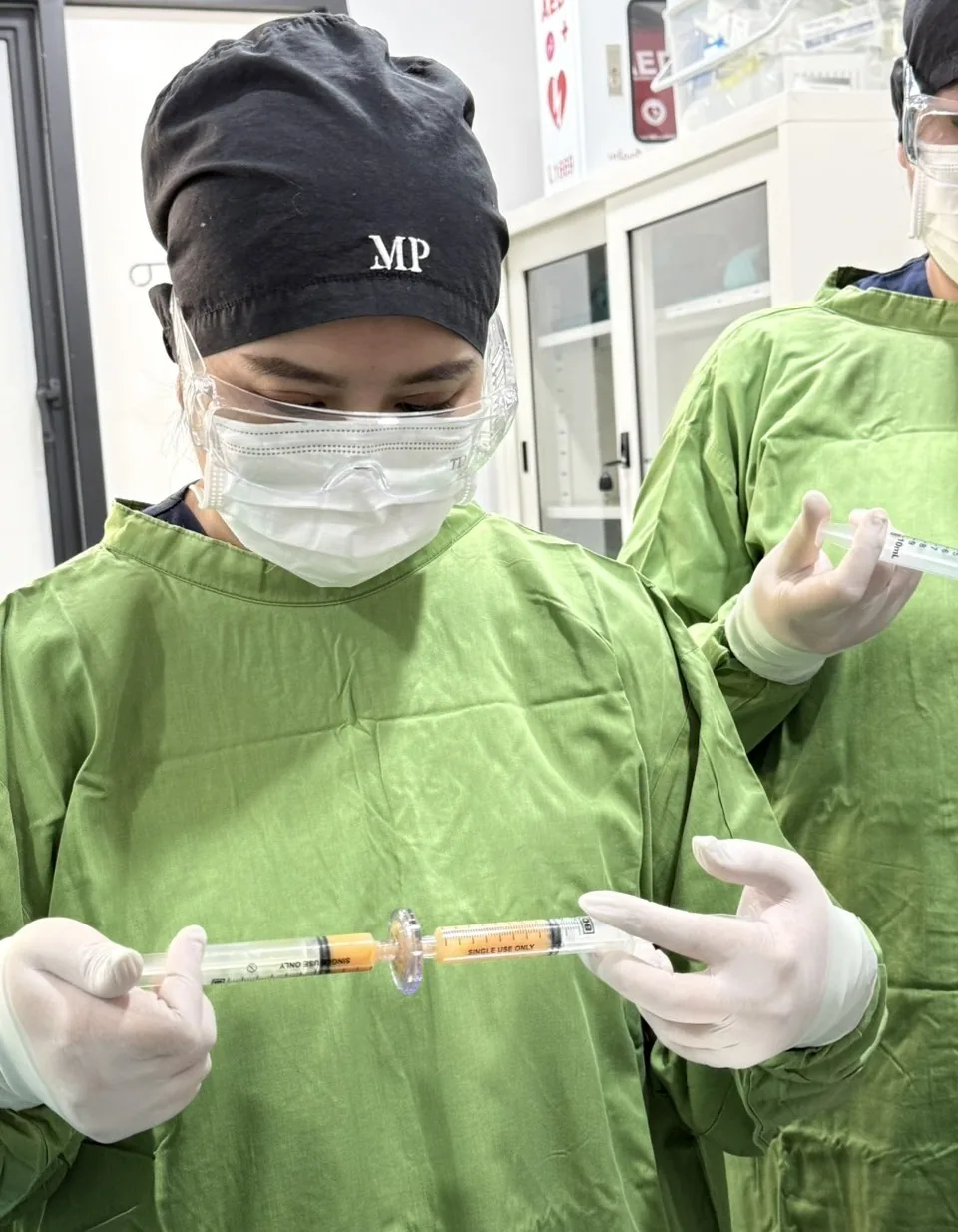
The fat goes through a preparation process and is reduced in size with the Adenizer, a medical device for cutting fat into smaller molecules so that it is suitable for application on the scalp. The Adenizer that MP Clinic uses is certified to both Thai FDA (อย.) standards and the international USFDA standard.
3. Separating and Preparing SVF
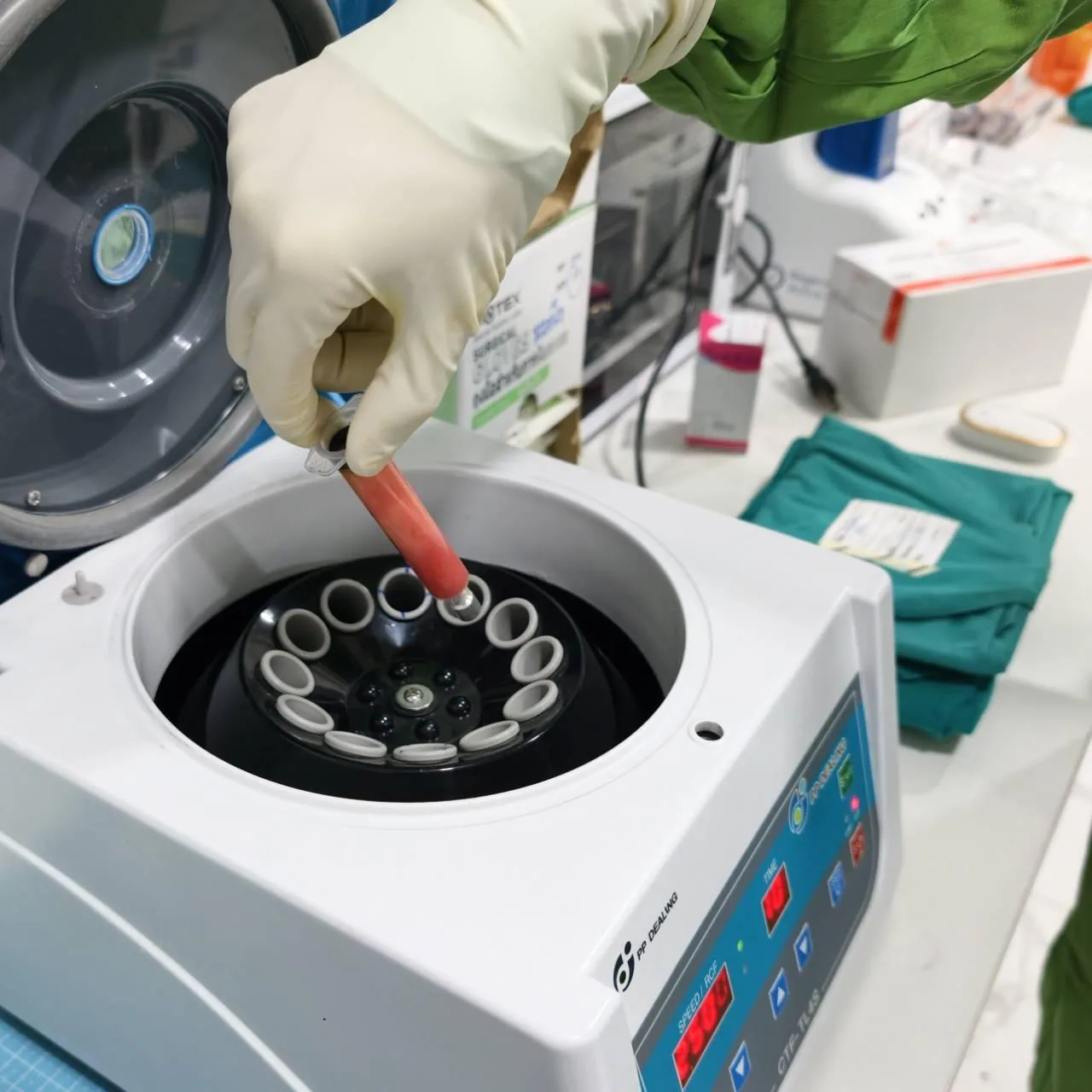
The fat tissue is put through a centrifugation process to obtain the desired cells and components, or SVF.
4. Injecting into the Scalp
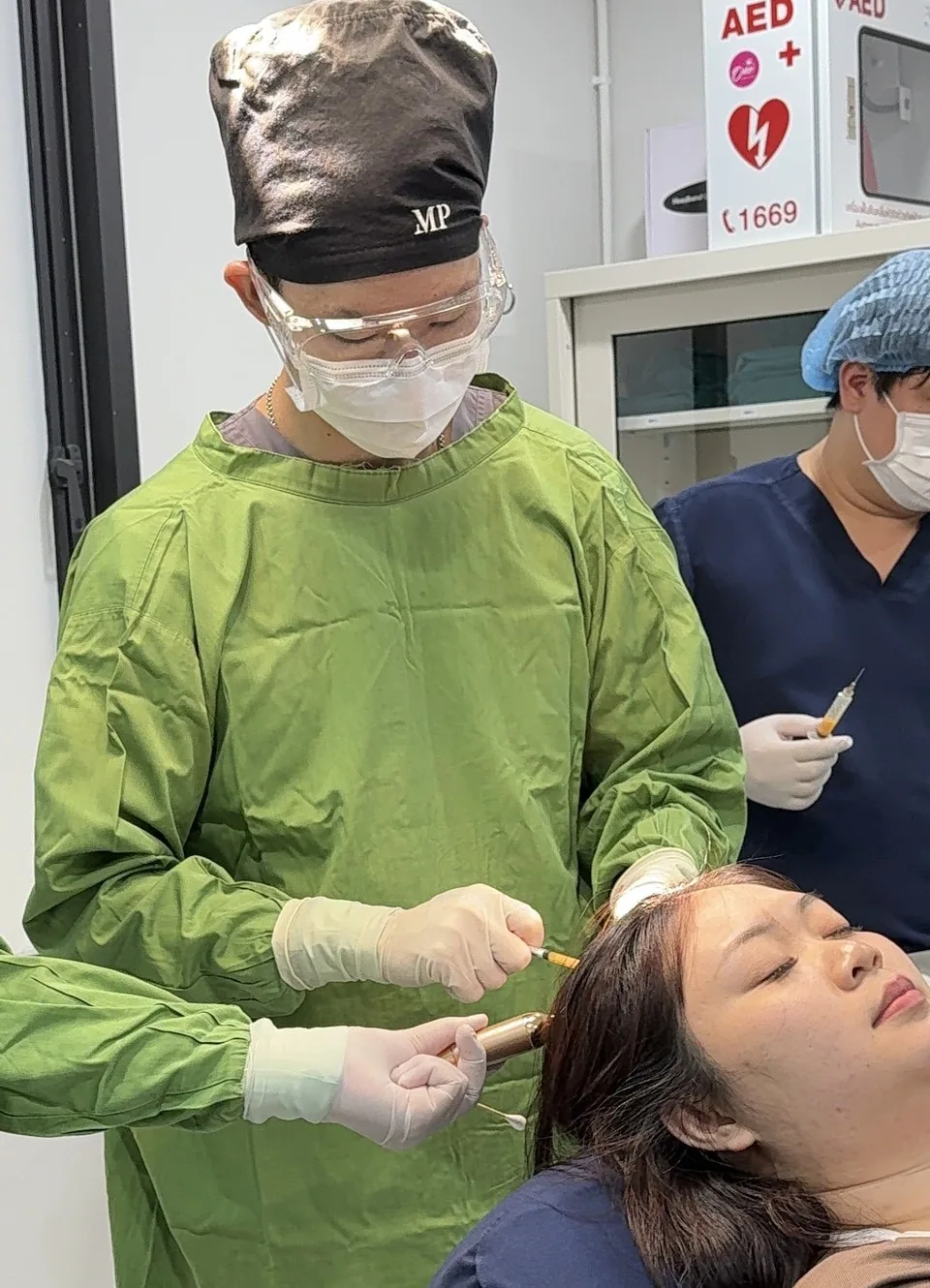
The doctor assesses the problem areas and plans the injection positions for nanoFat + SVF to suit each person’s condition.
5. Continuous Follow-Up
After treatment, follow-ups should be carried out at the intervals set by the doctor to assess the scalp condition and changes in the hair, as well as the wound at the site where the fat was harvested.
What Does ADSI Help With?
Based on the concept of regenerative medicine, using SVF and Nanofat on the scalp focuses on caring for the environment around the hair roots, involving several related mechanisms, such as:
Helping Support Blood-Vessel Formation
Blood vessels are important for delivering oxygen and nutrients to nourish tissue. Supporting the environment of the blood vessels is therefore one of the mechanisms of interest in restoring the hair roots.
Helping Manage Inflammation
Some components in SVF play a role in controlling inflammation, so this approach has been studied in the context of tissue regeneration.
Supporting Tissue Repair
Growth factors and signals between cells are involved in the process of repairing and regenerating tissue.
Helping Create an Environment Suitable for the Hair Roots
The key goal is to care for the condition of the scalp and the area around the hair roots in order to support the functioning of the hair roots that still remain.
Who Is It Suitable For?
The ADSI approach is an option that doctors consider for people who:
- Have severe hair loss
- Have moderate to severe thinning hair, who do not yet want a hair transplant and do not respond to other stimulation treatments
- Have patchy hair loss (alopecia areata)
- Have hair loss from autoimmune conditions, including scarring hair loss
- Have travel constraints, such as living in another province or country, since ADSI can be done just once within a period of 1 year
- Want a higher-efficacy treatment approach than previous treatments such as PRP
- Want to restore the scalp using tissue from their own body
- Want to consider options other than a hair transplant
- Want to use it together with other treatment approaches based on the doctor’s assessment
- Those who have already had a hair transplant and want treatment to keep the hair strong, done just once per year
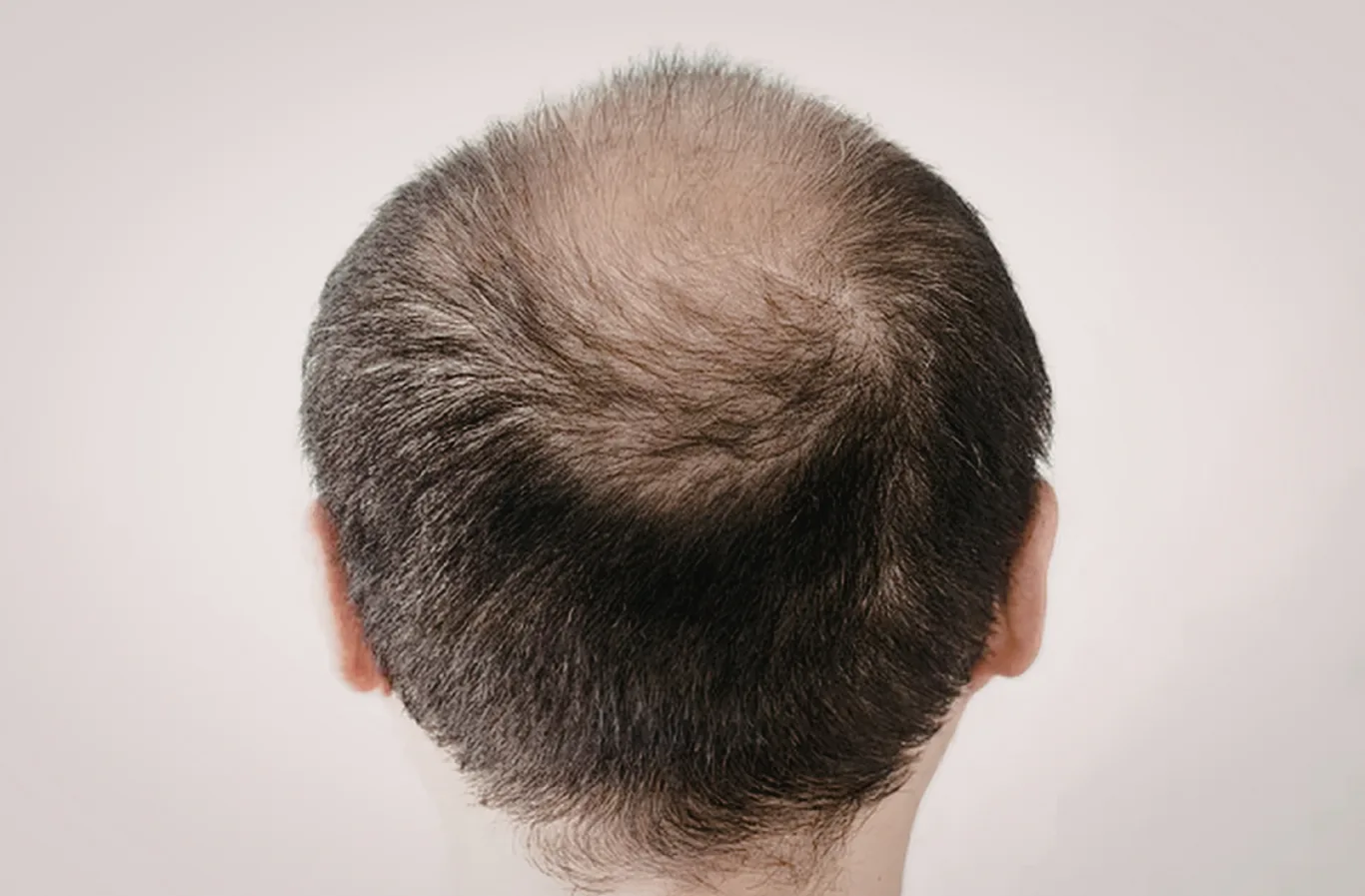
However, not everyone with hair loss is suitable for this method. Identifying the cause of the hair loss and assessing the scalp condition before treatment is therefore important.
Who Should Avoid It or Inform the Doctor First?
People with certain underlying diseases, a tendency to bleed easily, those taking certain medications, or who have medical conditions that may affect the procedure should always inform the doctor beforehand.
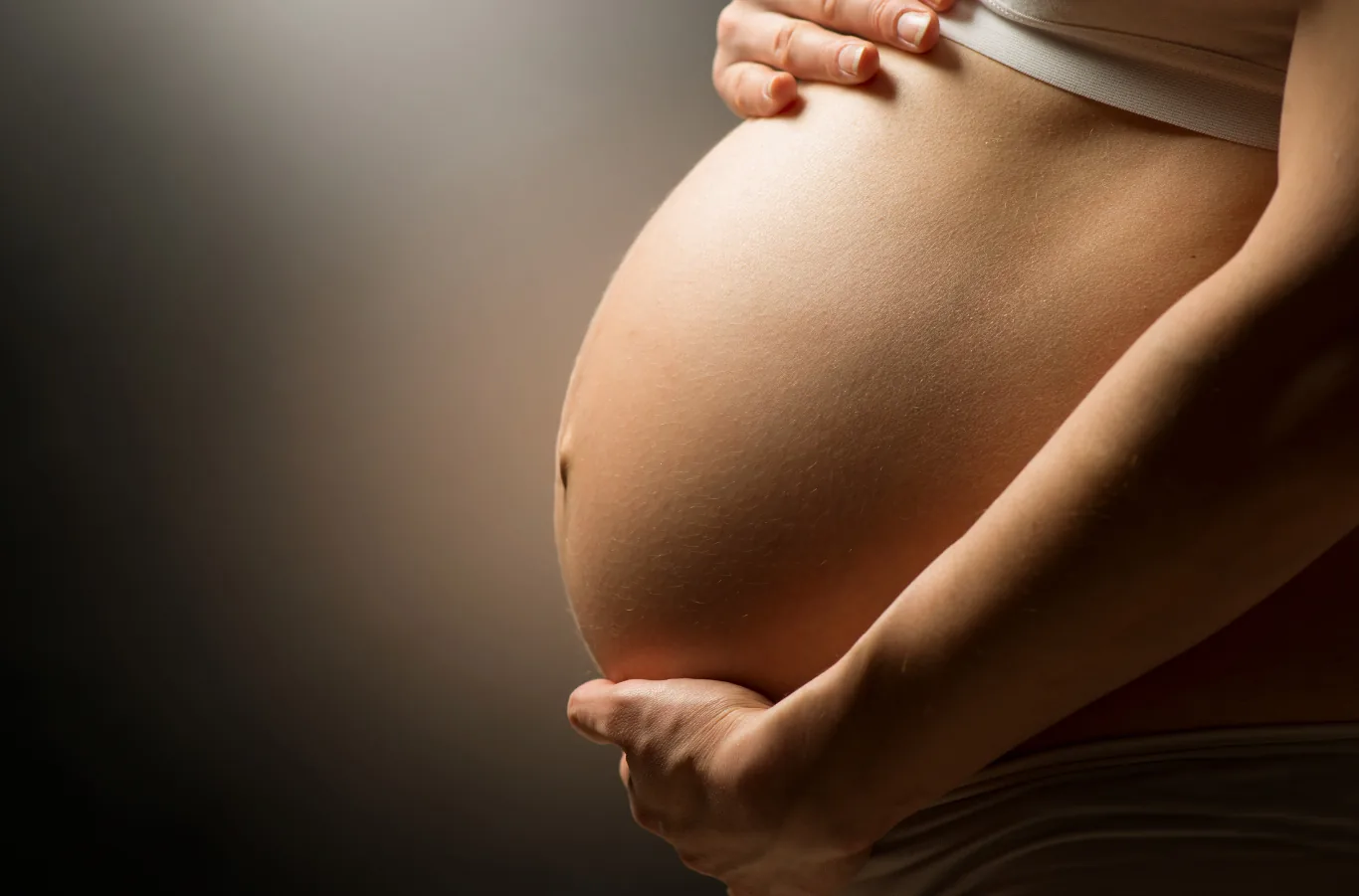
This also includes those who are pregnant or breastfeeding, who should consult a doctor to assess suitability on an individual basis.
Importantly, if there is rapid hair loss, patchy hair loss, scalp abnormalities, or a suspected underlying disease causing the hair loss, the cause should be identified before deciding to undergo the procedure.
How Is ADSI Different from a Hair Transplant?
This point should be communicated clearly, because the two methods have different goals.
A hair transplant moves hair roots from one area to an area with thinning hair, to increase the number of hair roots in that area.
ADSI, on the other hand, is an approach focused on using components from one’s own fat tissue to support the restoration of the scalp and the environment around the hair roots.
Therefore, it should not be implied that ADSI can “create new hair roots” or “replace a hair transplant in every case.”
Expected Results
The results of the treatment depend on many factors, such as the cause of the hair loss, age, scalp health, the number and condition of the existing hair roots, as well as the technique, aftercare, and the patient’s concurrent use of hair-growth medication.
One should therefore not expect the treatment to make the hair immediately as thick as before.
Hair restoration is a process that takes time, and results should generally be assessed at the intervals set by the doctor.
Conclusion
ADSI (Adipose-Derived SVF Injection) is an approach that applies components from one’s own body fat tissue to care for and restore the scalp, focusing on mechanisms of tissue repair, blood-vessel formation, and inflammation control.
The key point is that it does not directly take fat and “grow it into hair,” but is an approach that aims to support the environment around the hair roots.
If you are experiencing hair loss or thinning hair, you should start by identifying the cause and having the condition of your hair roots assessed by a doctor first, in order to choose a treatment method suitable for each individual.
Note: This information is provided for educational purposes and is not medical advice. The effectiveness of SVF/Nanofat for hair loss also depends on the preparation method, treatment technique, and the clinical evidence for each approach, so a doctor should assess suitability before the procedure.