Hair Transplant
Hair Transplant
The only choice you need when you want a hair transplant
Check Your Plan
The only choice you choose
9 MONTHS
MP Hair Transplant
A Systematic Hair Transplant with Complete Care Throughout the 9-Month Program
Hair loss, thinning hair and baldness affect your appearance, confidence and facial proportions, especially around the front hairline and temples, which are key areas that frame the face and give it a more defined and balanced look.
For those looking for a serious solution to thinning hair, MP Hair Transplant is designed as a comprehensive hair transplant surgery program. It does not focus only on the transplant procedure itself, but also on assessing the condition of the hair and scalp, preparing before the transplant, post-operative care, and monitoring the hair roots throughout the program.
The treatment program lasts 9 months in total, allowing the medical team to continuously monitor the development of the hair and scalp, from before the transplant through to the follow-up period after treatment.
A hair transplant is a process that requires planning and care across several stages, because each person has different causes of hair loss, scalp conditions, hair density and number of grafts needed.
Therefore, before deciding on a hair transplant, the most important step is a proper assessment of the problem and a treatment plan tailored to each person’s hair condition.
MP Hair Transplant therefore covers every stage of treatment
01
Problem Analysis
02
Scalp Preparation
03
Hair Transplant Surgery
04
Wound Care
05
Follow-Up
with the MP medical team caring for and assessing you at every step.
STEP 01
Analyzing the Causes of Hair Loss and Thinning
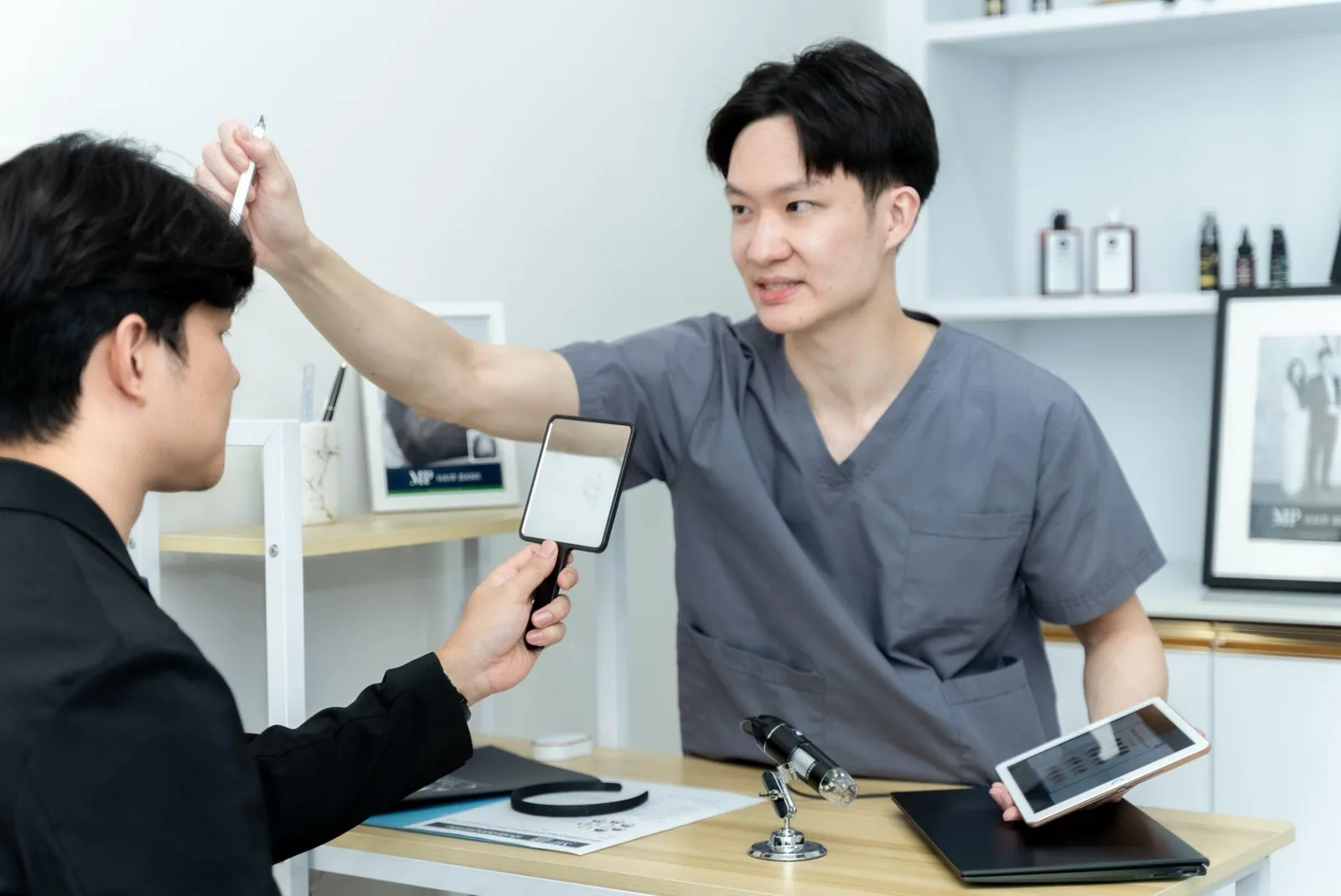
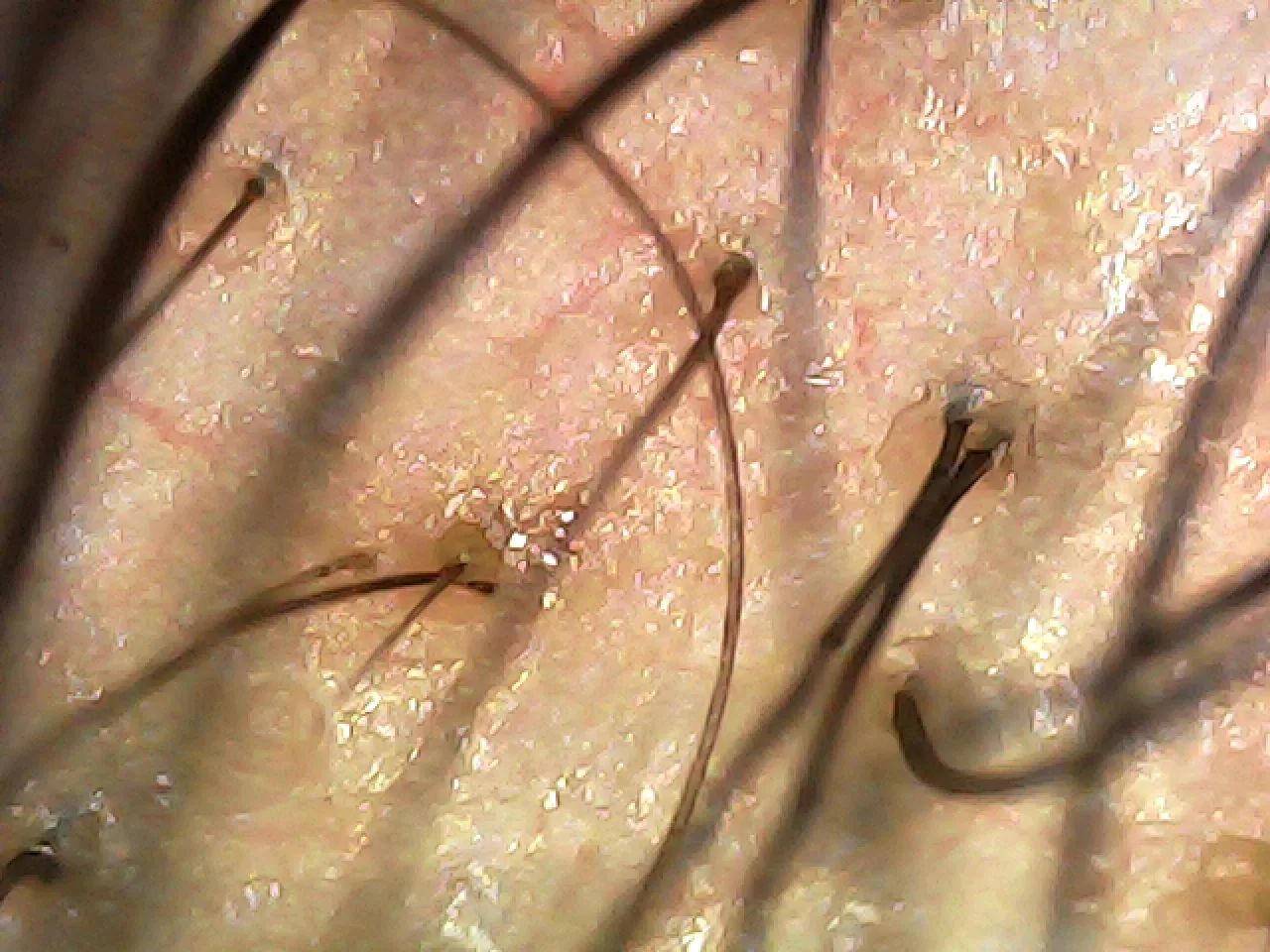
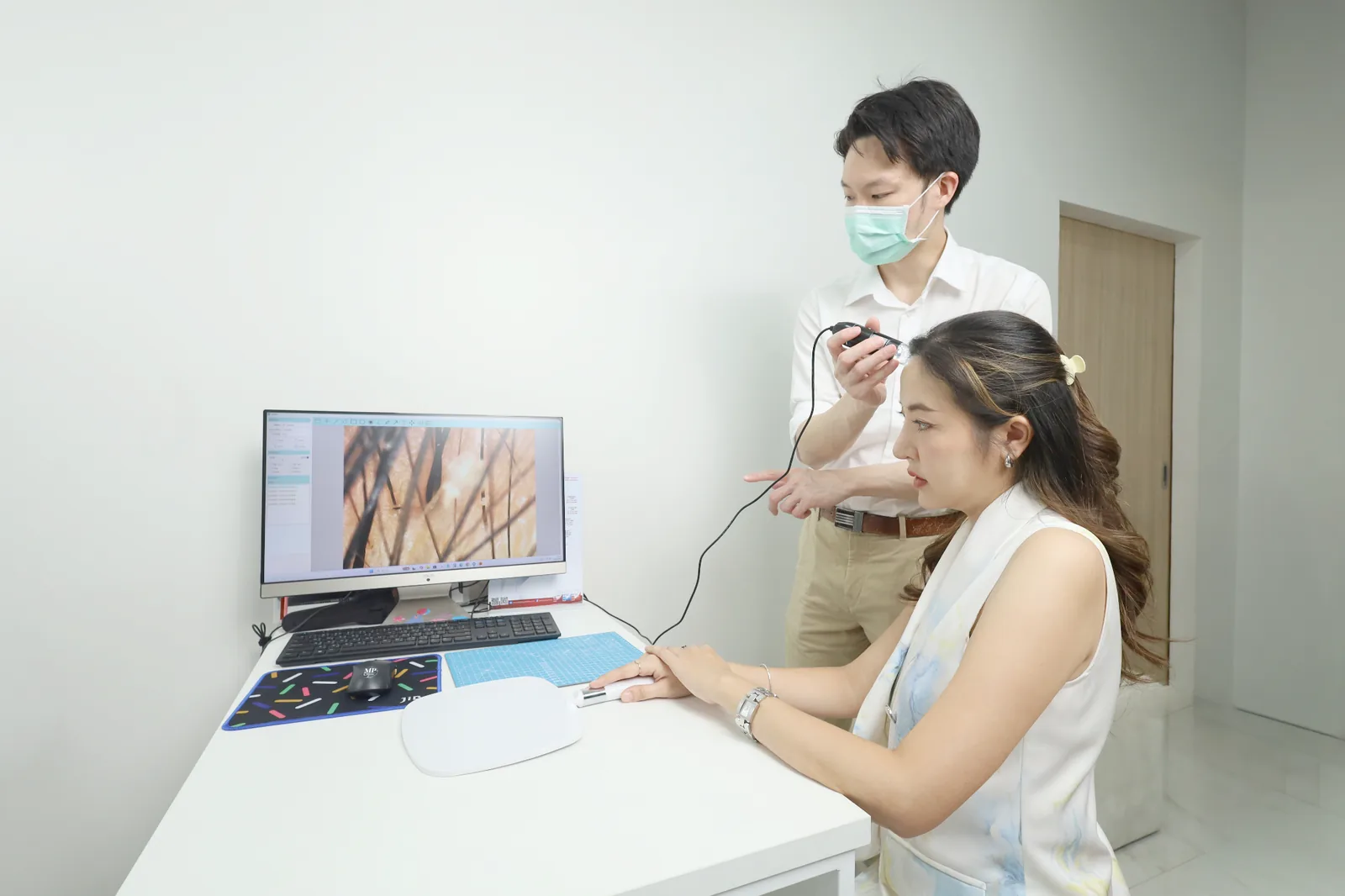
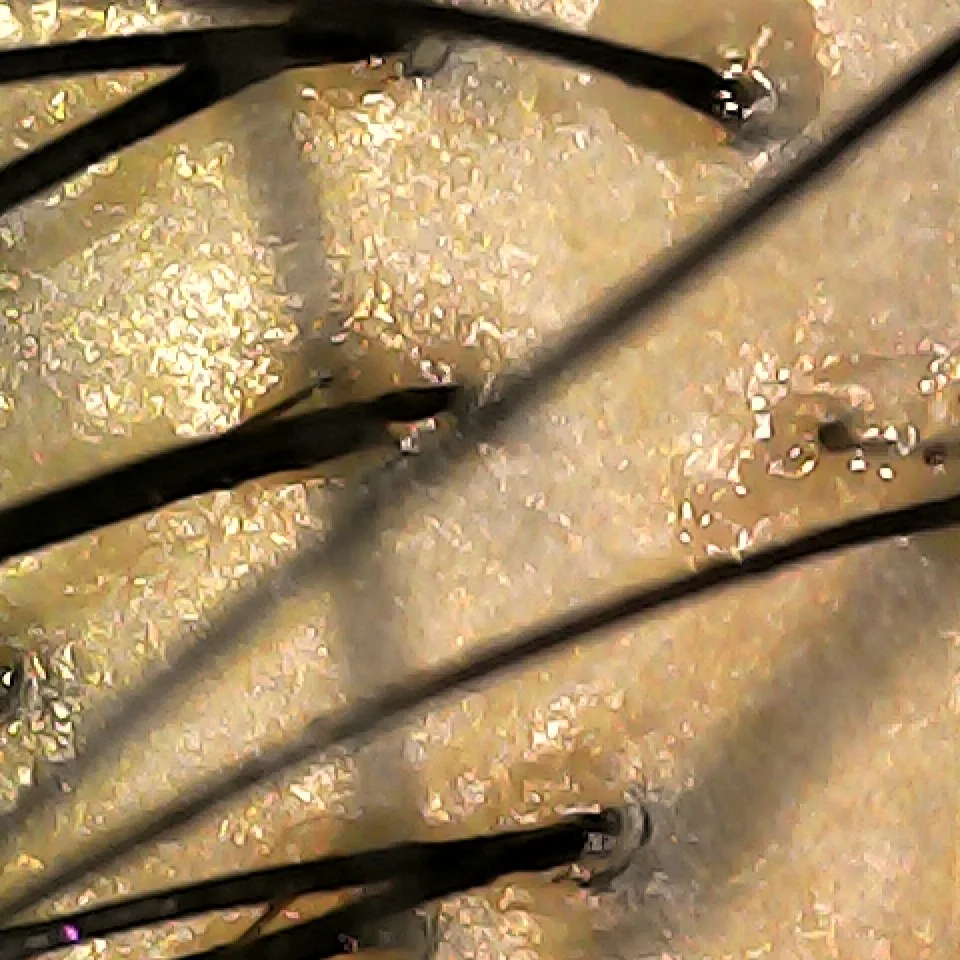
Before treatment begins, every client receives a scalp camera examination of the hair and scalp, allowing the medical team to see the details of the hair and scalp more clearly.
The assessment is essential for treatment planning, as hair loss and thinning can differ from person to person, including the thinning areas, hair density, hair condition and the characteristics of the area to be transplanted.
The actual number of grafts cannot be set as a single number for everyone, as each case has different hair conditions and areas that need correction.
STEP 02
Preparing the Scalp with PRP
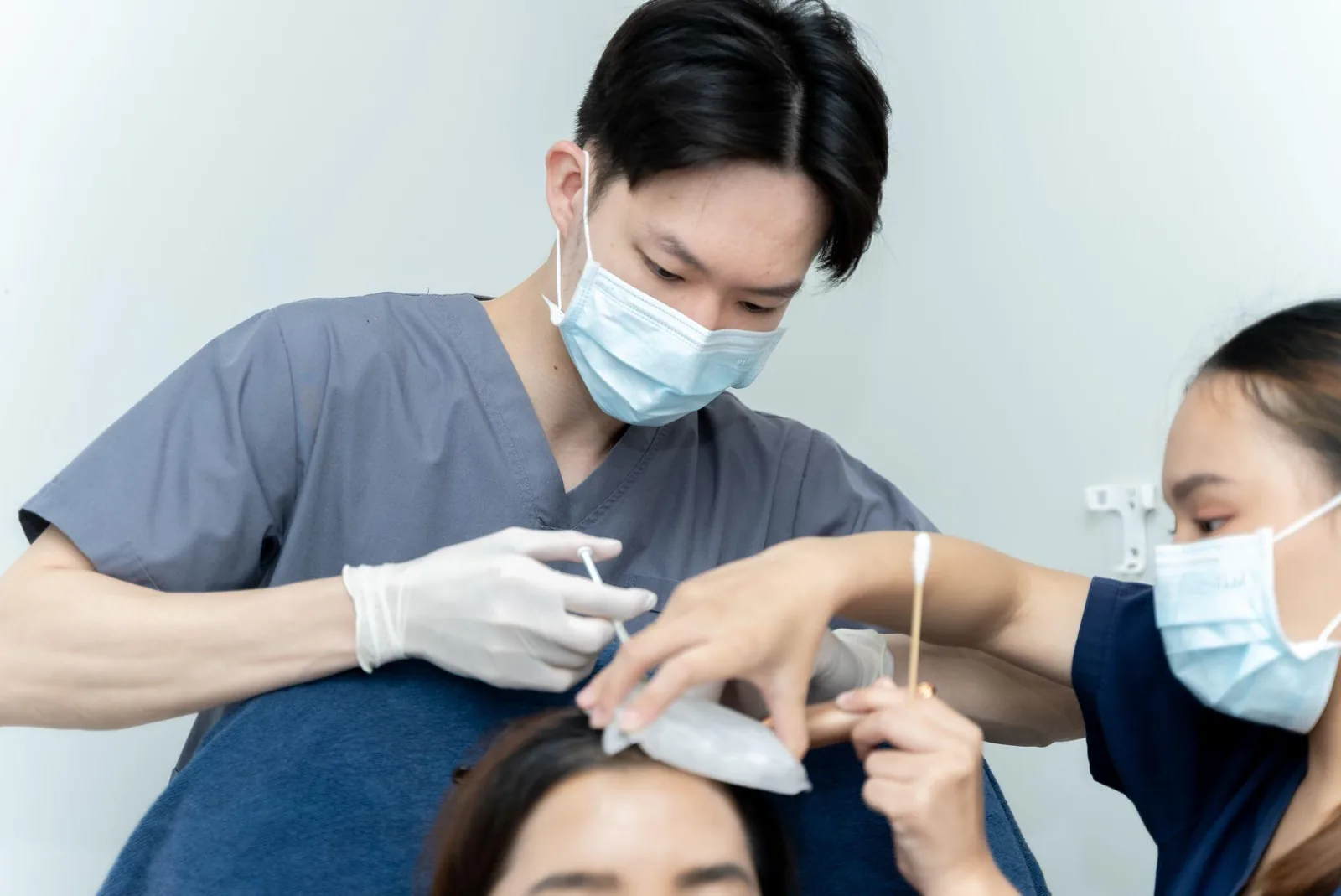
After the hair and scalp have been assessed, suitable cases may include a step to nourish and prepare the scalp with Platelet-Rich Plasma (PRP) to help get the scalp ready before the transplant.
In addition, the doctor will assess the suitability of medication or hair care products according to each person’s condition and needs, to help care for the hair and scalp both before and after the transplant. Medication is selected individually under the doctor’s guidance.
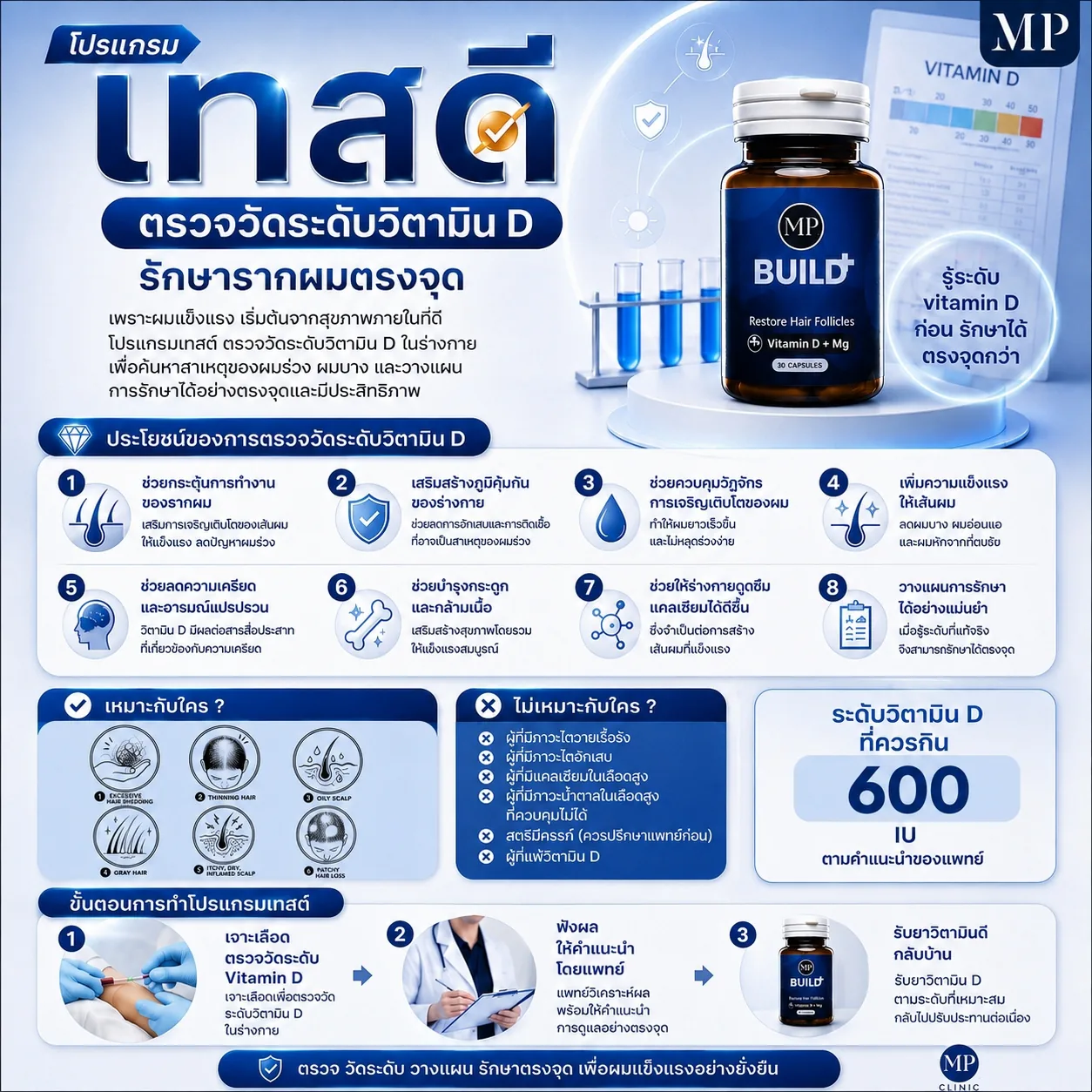
Vitamin D Level Testing
A Vitamin D test is also performed to assess the body’s Vitamin D status. If the level is found to be low, the doctor will consider appropriate care or vitamin supplementation for each individual.
Preparation before a hair transplant therefore considers more than just the number of hairs. It also takes into account scalp condition, hair health, medication use and related nutritional factors to plan care that suits each individual.
STEP 03
Permanent Hair Transplant Surgery
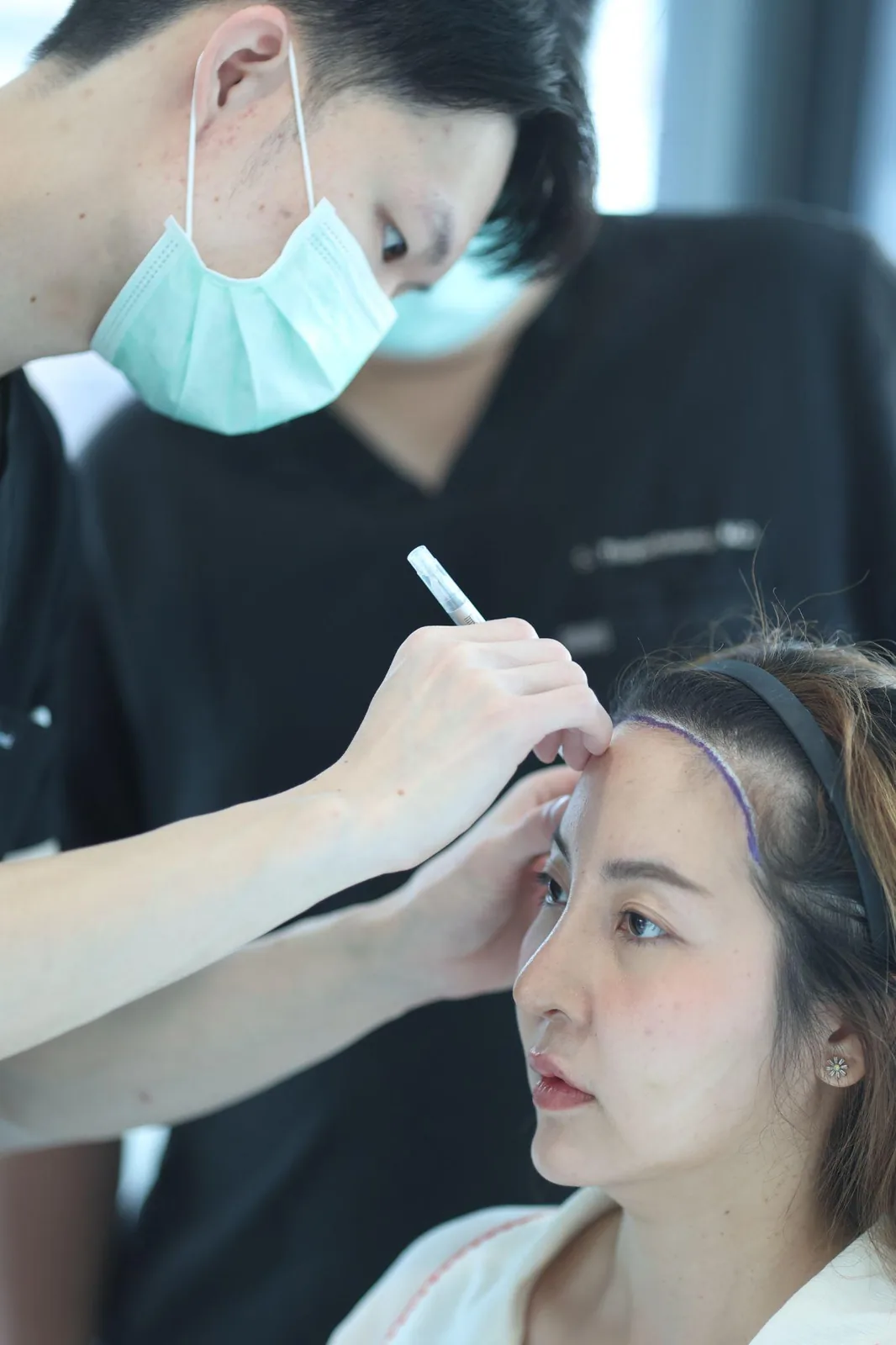
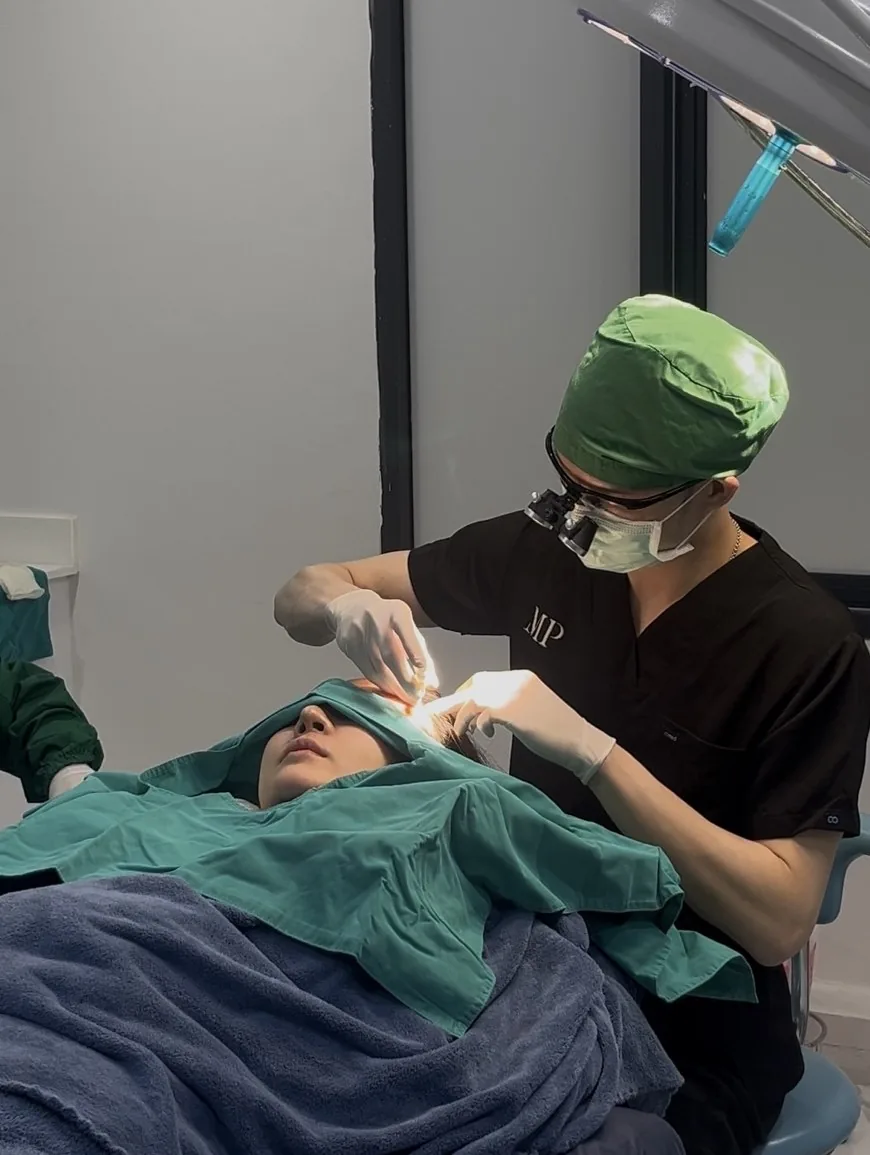
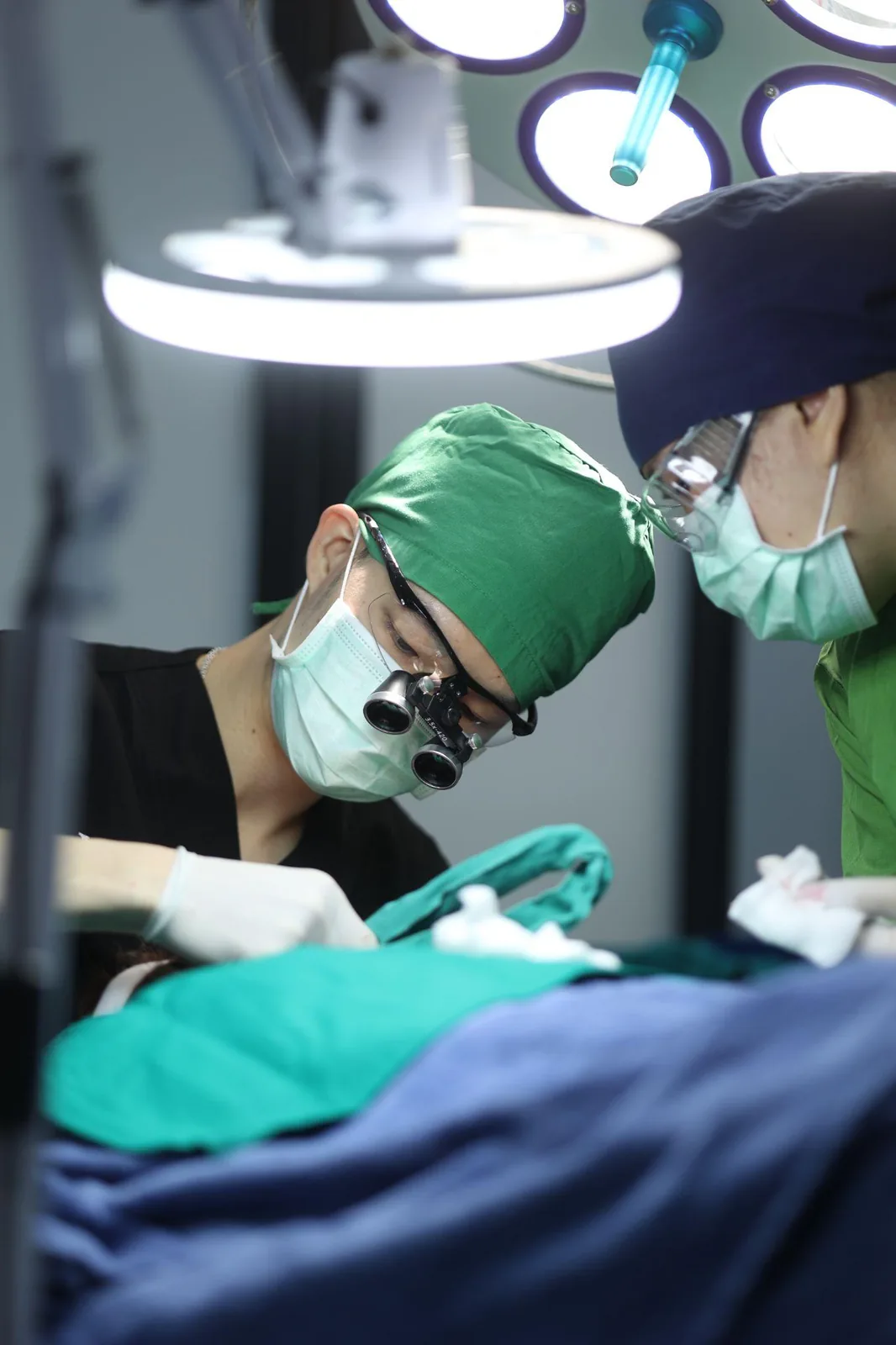
Once the assessment and preparation are complete, the key step begins: hair transplant surgery. The doctor plans the placement and number of grafts to suit each individual.
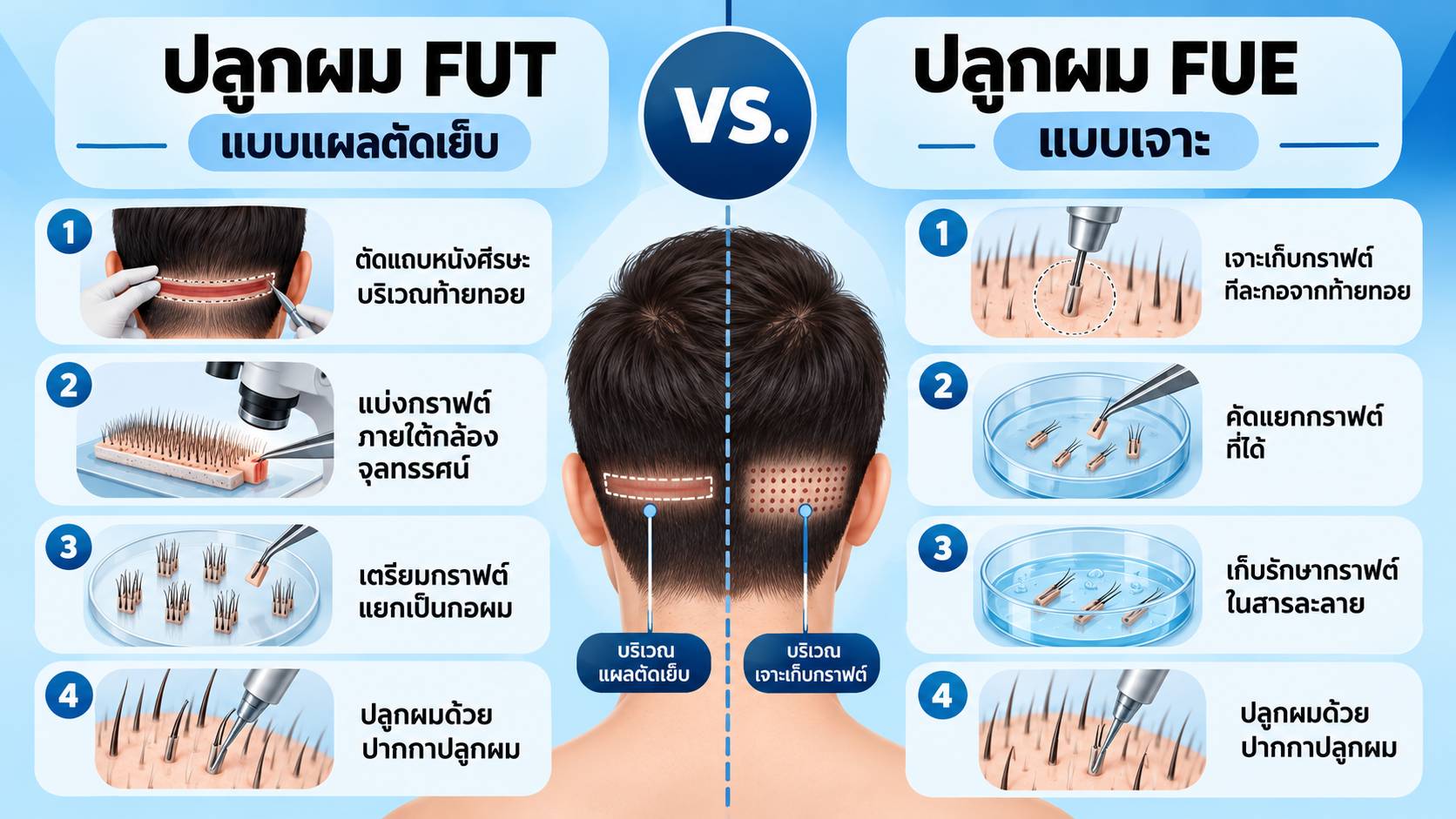
Graft Harvesting with the FUE Technique
Follicular Unit Extraction
Hair grafts are selected and harvested one by one from the donor area using fine instruments to prepare the hair roots for transplanting into the desired area. The doctor determines the appropriate location and number of grafts to make the best use of the donor hair supply.
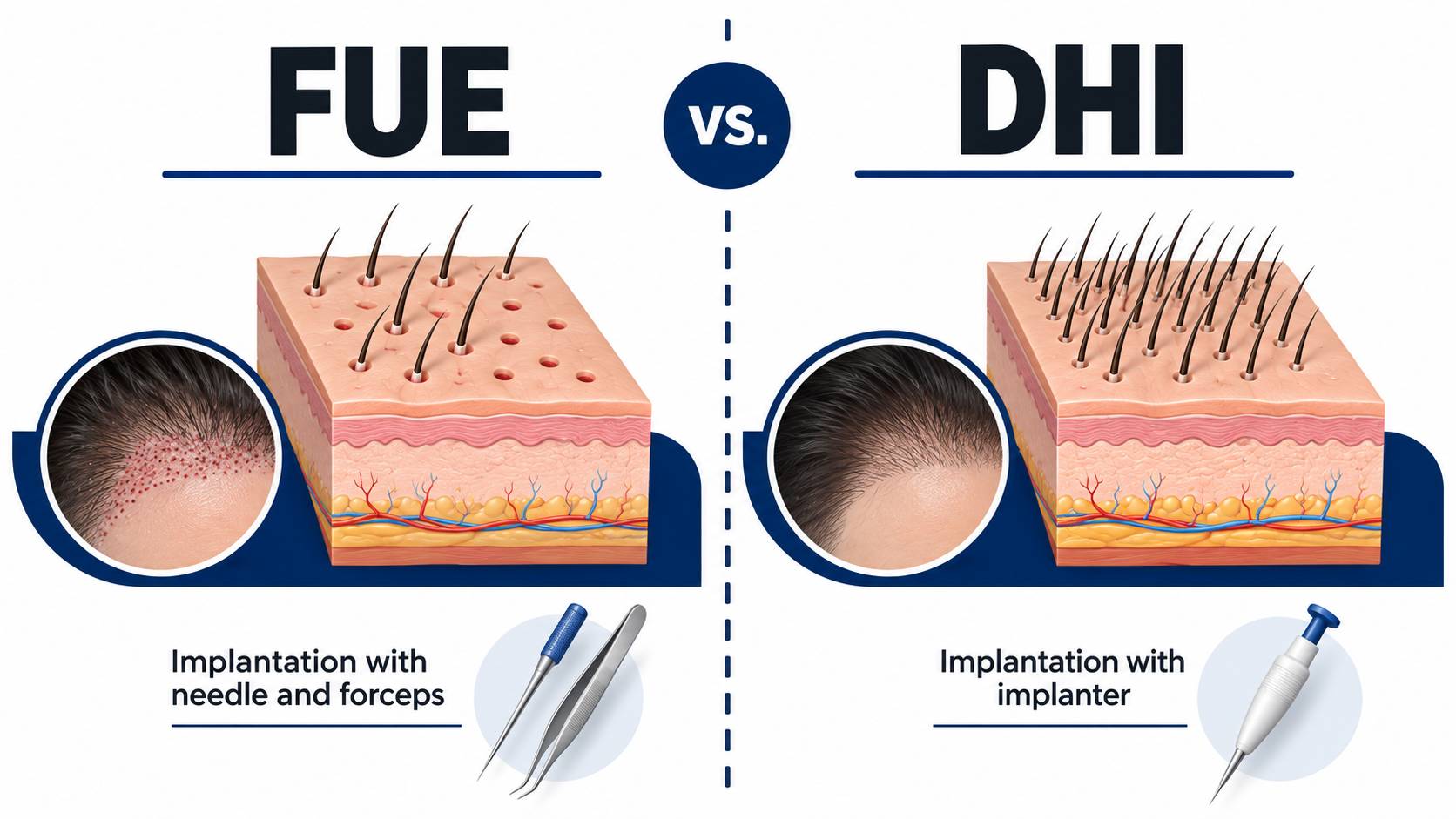
Hair Implantation with the DHI Technique
Direct Hair Implantation
Once the grafts are prepared, they are implanted into the planned area using the DHI technique, in which each graft is placed through an Implanter Pen allowing the doctor to control the position, direction and angle of each graft to match the designed hairline.
The key to a successful hair transplant is designing the hairline and distributing the grafts to suit each individual, taking into account hair characteristics, the area to be transplanted and the number of grafts available from the donor area, so that the transplant plan fits each person’s condition.
STEP 04
Wound Care
After the transplant, MP Clinic places great importance on closely caring for the wounds and grafts in the early stage, so that both the transplanted area and the donor area receive proper care during recovery.
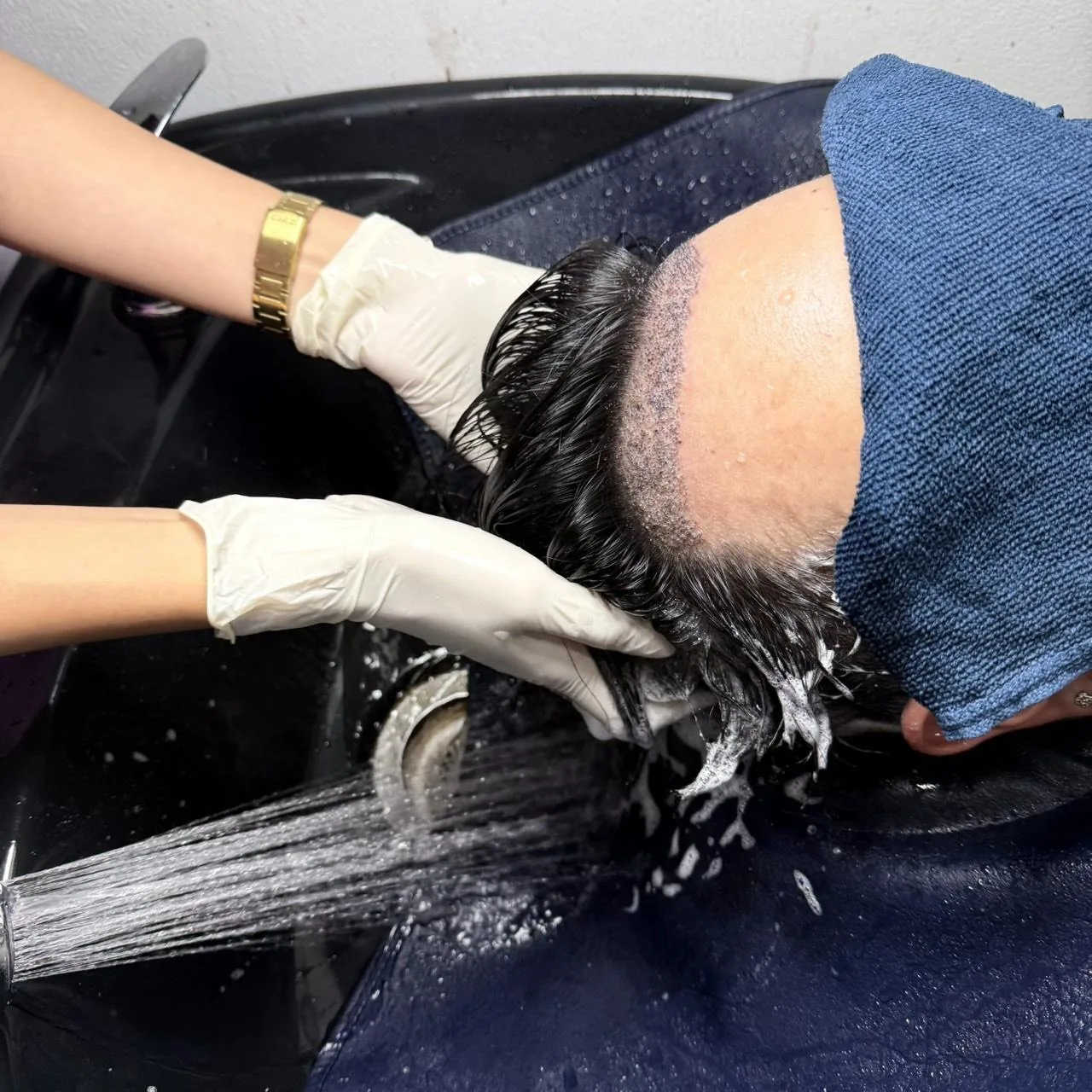
8 Days of Continuous Wound Cleansing by MP Clinic Specialists
After the transplant, clients receive continuous wound cleansing of both the transplanted and donor areas for 8 days by our clinic team, to keep the area clean, reduce the build-up of blood residue and dirt, and protect the grafts while they still need extra care.
Each day, the transplanted area and wounds are also assessed so that we can give appropriate care advice for each stage of recovery.
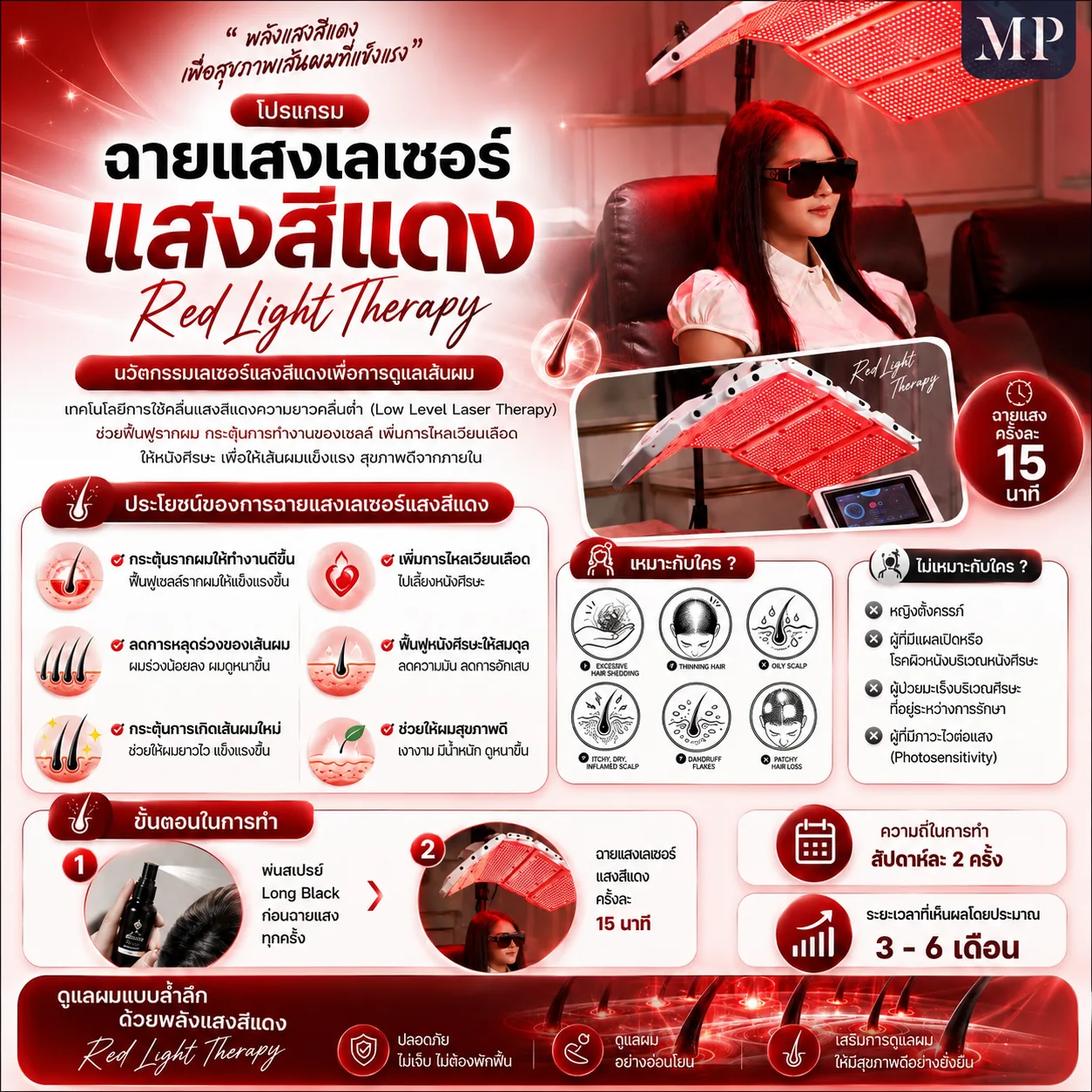
Daily Red Light Therapy (RLT) During Recovery
Alongside wound cleansing, MP Clinic provides daily red light therapy on the scalp in the early period after the transplant as part of post-procedure care, to help care for the scalp during recovery.
Red light therapy aims to care for the transplanted scalp and help reduce inflammation or irritation that may occur after the procedure. Our team adjusts the light therapy to suit each person’s scalp condition.
Day 8 – Cleansing and Scab Removal
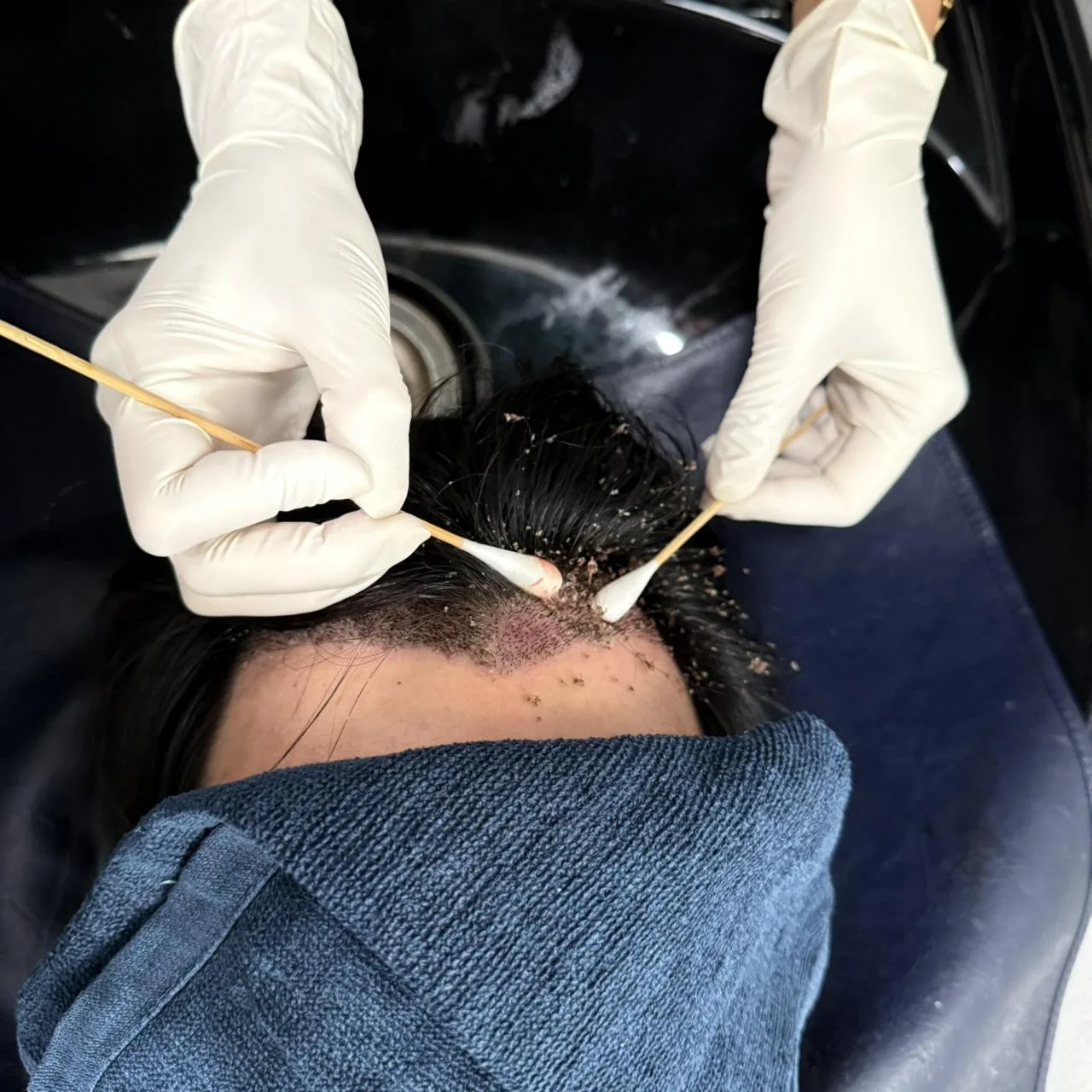
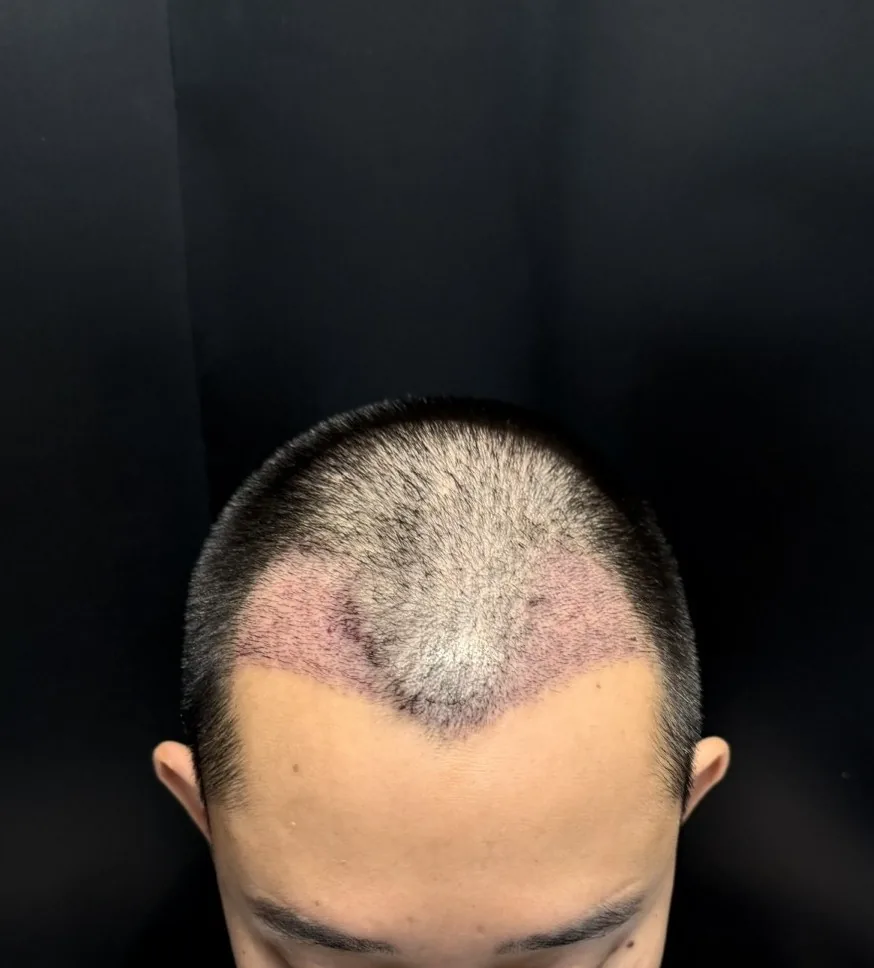
On the final day of wound care, our clinic team cleans the area and properly removes the scabs from the transplanted area, preparing for the next stage of ongoing care.
After the 8 days, clients receive advice on continued scalp and hair care according to their treatment plan, along with follow-up appointments.
STEP 05
Follow-Up and Continuous Care Throughout the 9-Month Program

What sets MP Hair Transplant apart from a surgery-day-only service is a program that covers a total of 9 months of treatment and follow-up.
A hair transplant does not end the moment you leave the operating room. After the transplant, wound care and continuous monitoring of the hair roots follow, so our team can track changes in the hair and scalp throughout the post-treatment period.
Techniques
MP Clinic Offers 2 Hair Transplant Techniques
2. Long Hair Transplant
A hair transplant using grafts that keep their hair length during the procedure, making it possible to see the direction and characteristics of the hair while placing the grafts. Suitable for those who want to evaluate the hair arrangement in a way that is close to the real result.
Short Hair and Long Hair techniques differ in details, procedures and suitability. The choice of technique should be made together with the doctor’s assessment, considering hair condition, scalp, number of grafts and each person’s goals.
Hair Transplant Review
Take for example an interesting hair transplant case. To see treatment planning guidelines for people with severe baldness problems.
The day before planting
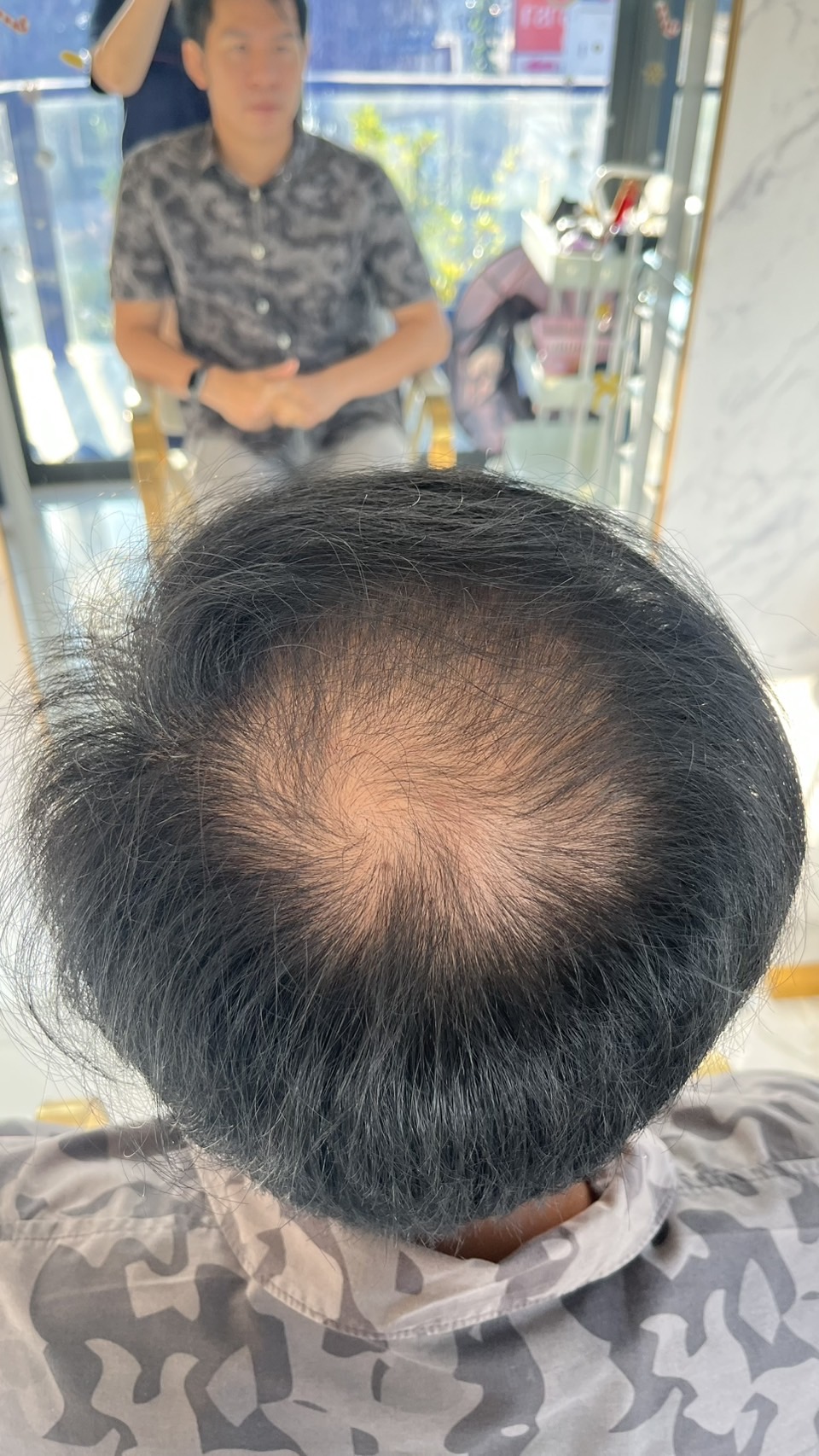
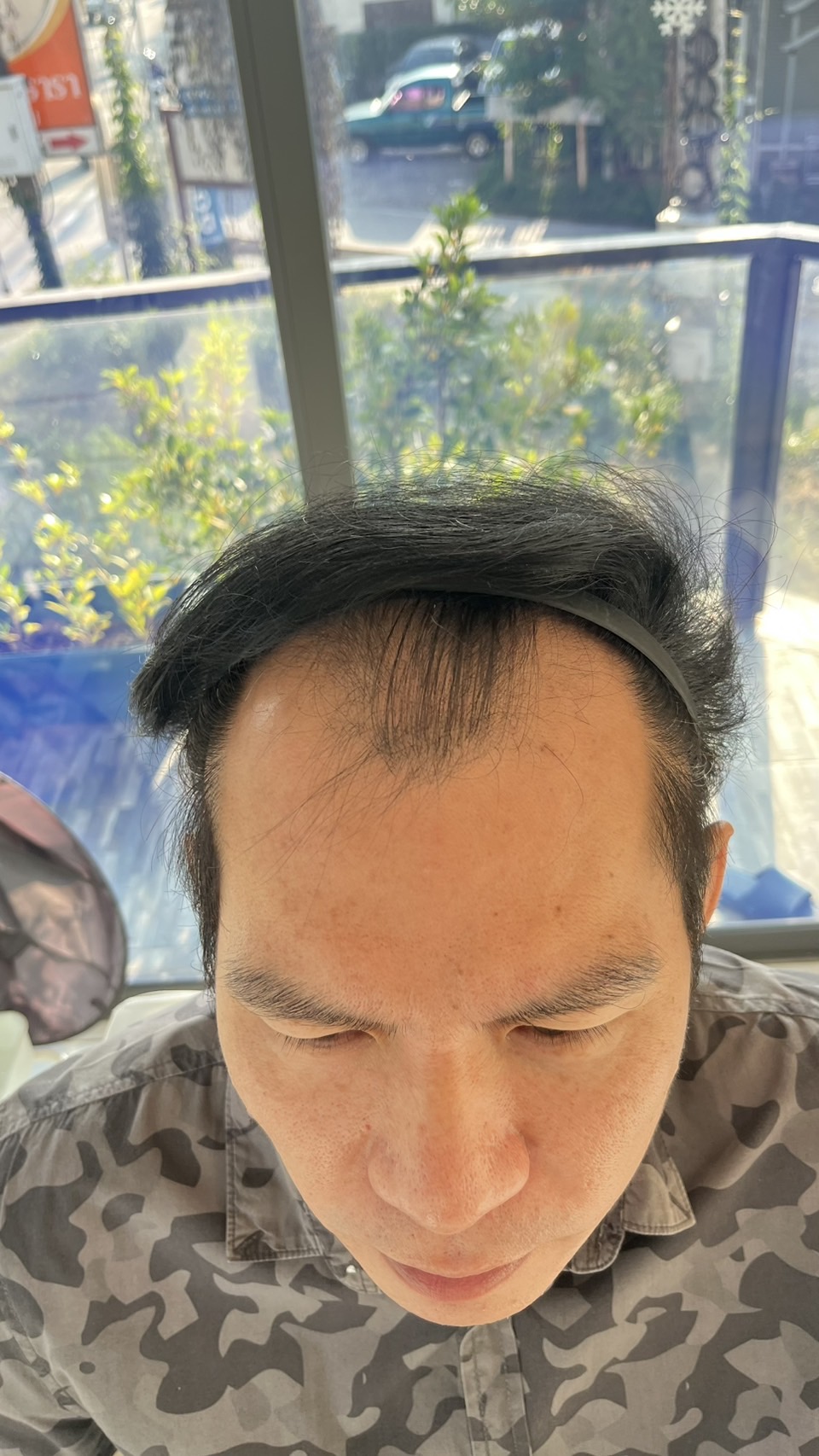
Basic patient information
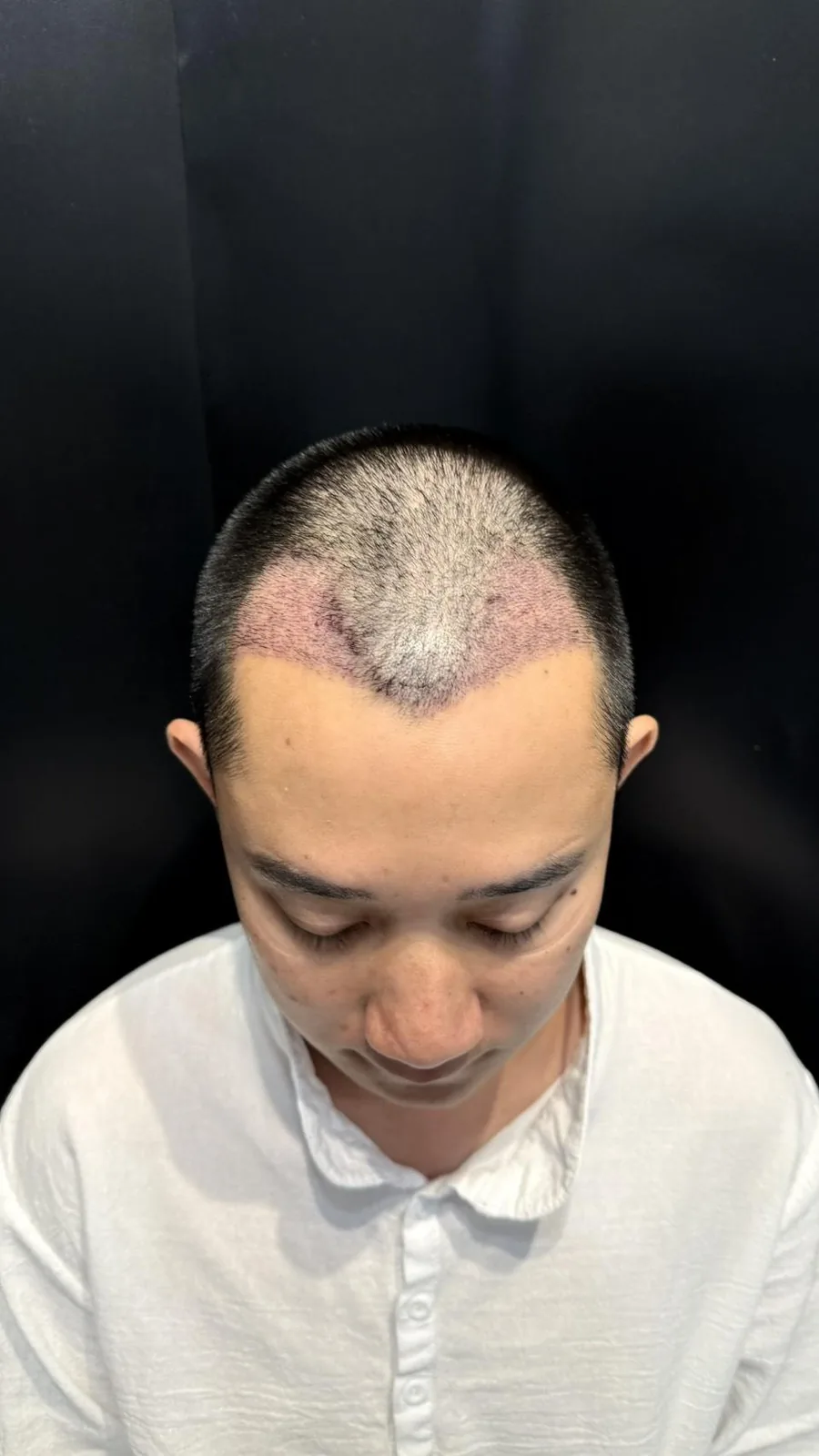
Male patient, Thai nationality, has problems with thinning hair and baldness. The assessment was at level 5 according to the Norwood-Hamilton Scale, which is considered to be quite severe. There is clearly some hair in the area.
- Mf (Mid Frontal) : middle of the front of the head.
- Vx (Vertex) : Khwan area
From the assessment of the entire area If you want to plant densely throughout the area As many as approximately 5,000 grafts may be needed, which is even theoretically achievable. But in practice, the amount of graft that can be harvested from the occipital area (Donor Area) may not be enough. This type of case is therefore classified as an Advanced Hair Transplant case or a highly complex hair transplant case.
The key to treatment is “Creating balance (Balance)” between
- Quantity of grafts that can actually be stored
- Area and location where you want to plant
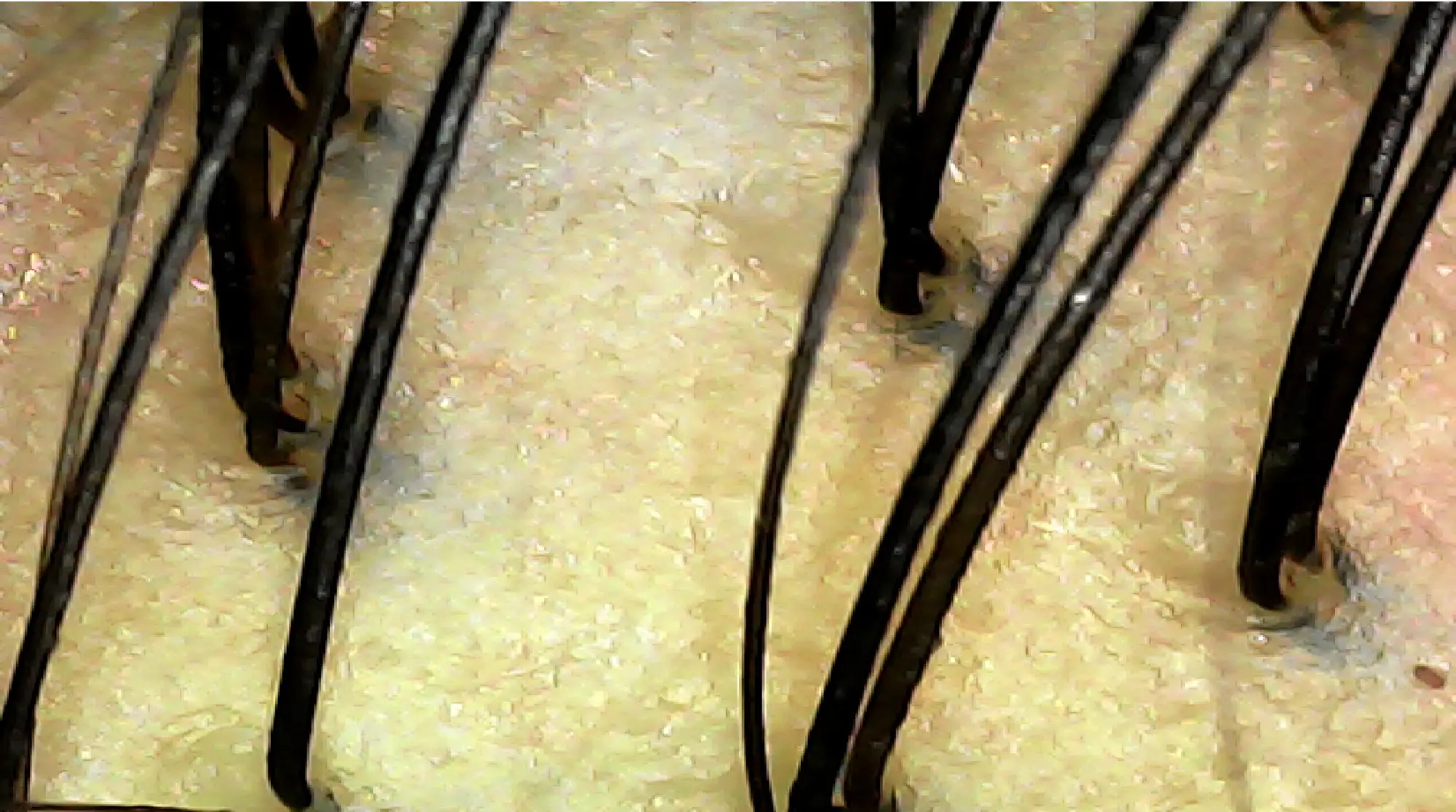
Evaluation of hair roots before surgery
On the day of the hair transplant, the condition of the hair roots in the occipital area was examined using a magnifying glass. It was found that the hair roots were strong. Even if the patient has never used hair growth medicine before.
However, not all patients have such healthy occipital hair follicles. In some cases, the hair is thin or has low density. Minoxidil may be needed to stimulate and nourish the hair follicles before surgery.
Hair transplant planning: prioritizing areas
This patient has problems covering 4 main areas:- Front (Lt / Mf / Rt)
- middle of head
- Kwan (Vx)
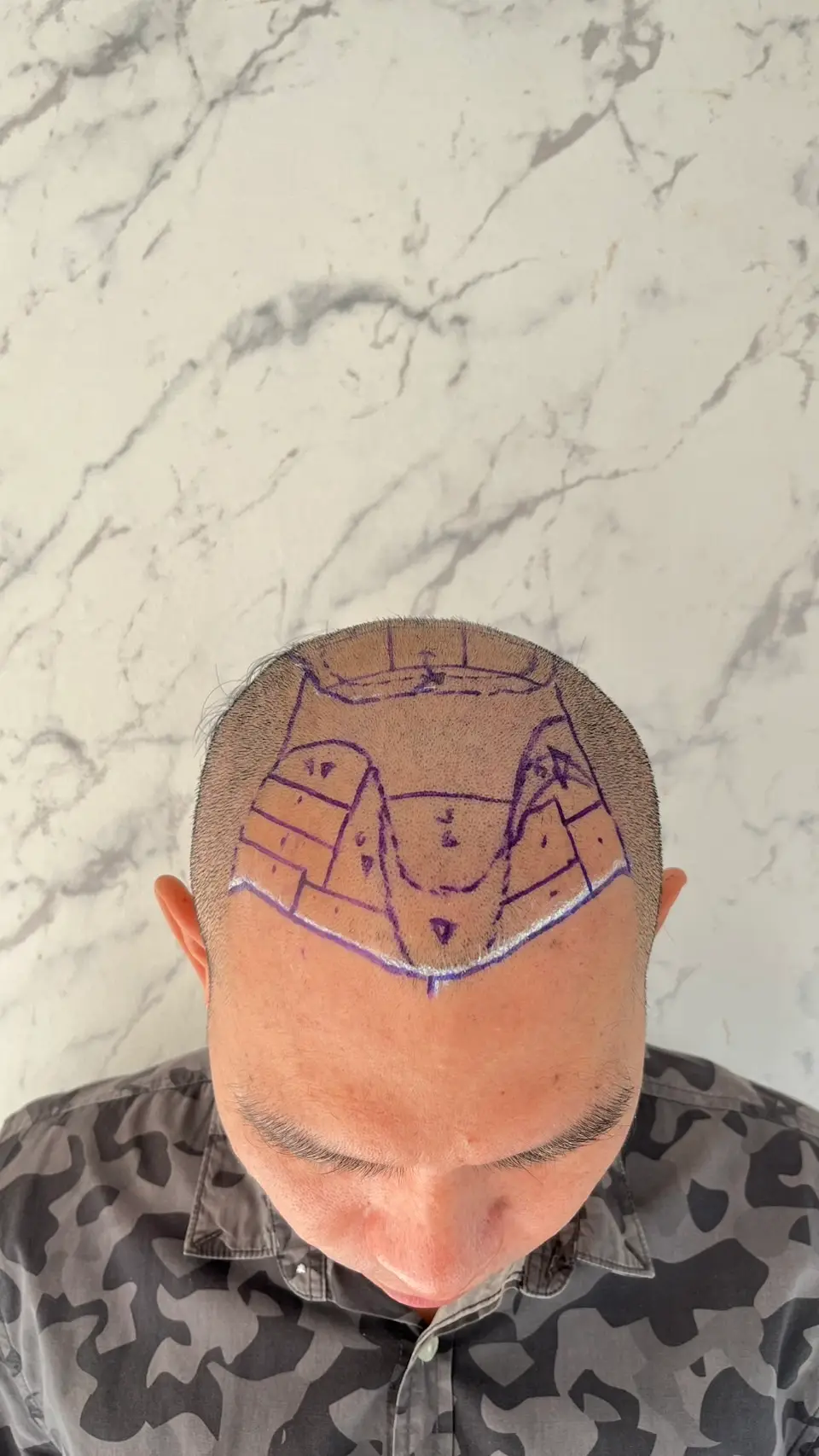
1. Front hairline area (Lt / Mf / Rt)
Plant with a density of approximately 50 grafts/sq.cm. to create a sharp facial frame Makes it possible to style your hair with confidence and does not look as thin as before planting
2. Middle area of the head and morale (Mid Mf & Vx)
Planted with a density of approximately 30 grafts/sq.cm. To have evenly covered hair Although not as dense as the front But it still looks natural. In this area, the patient still has the original hair roots remaining. It’s just thinner from genetics. Therefore, use hair growth medicine continuously after surgery. It will help restore and increase the density of the original hair.Post-transplant care on the 10th day after transplantation

It’s a time to take off scales. Before entering the hair transplant phase, Shock Loss may occur, which is a normal process.
In this phase, the clinic will- Prepare hair growth medicine for continuous use
- Schedule PRP (Platelet-Rich Plasma) injections periodically to stimulate hair follicle recovery.
Results after 1 year


At the end of 1 year after the hair transplant, it was found that
- The facial frame is clearly sharper.
- Can style hair easily
- The middle area of the head is dense. Even if planted at a density that is not very high
Part of the good results from regular use of medicine Especially DHT Blocker drugs, which play an important role in maintaining both transplanted and existing hair
Conclusion
People with severe baldness, such as levels 5–6–7 according to the Norwood-Hamilton Scale, can still receive treatment and grow hair.
However, this type of case requires- detailed planning
- Understanding the limitations of graft volume
- Cooperation in post-planting care and continued use of medicines
When doctors and patients work together properly It can create natural results. and increase patient confidence with maximum efficiency
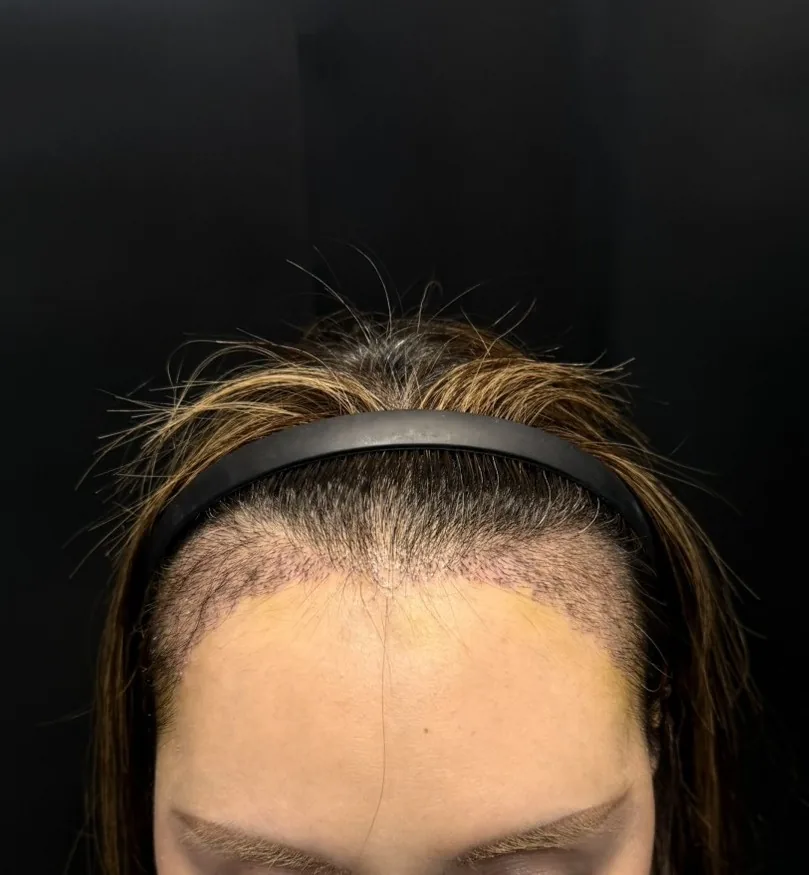
A 28-year-old foreign customer with a problem of a high M-shaped receding forehead on both sides came to consult with Dr. Peera at MP Clinic Chiang Mai in March 2024.
After coming in, the doctor performed an endoscopic examination of the hair roots to find the cause of the hair loss and assess the severity before planning a treatment.Before planting


After the endoscopic examination, the doctor stated that the client had a level 3 baldness problem. The appropriate treatment was hair transplant surgery using 1900 grafts.
The health of the hair roots in the Donor area was found to be strong and dense, so it could be treated with hair transplant surgery immediately.14 days after planting


After planting for 3 months


After 3 months of hair transplantation, it was found that new hair began to grow densely, and the depth of the M-shaped area decreased.
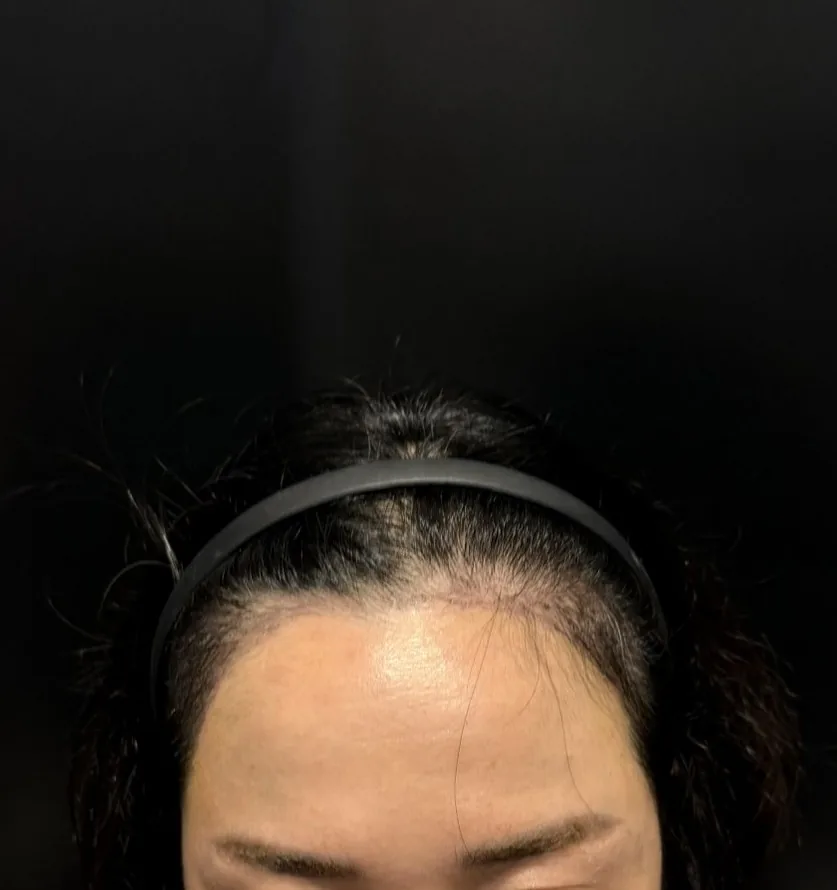
A 28-year-old Thai client with a receding forehead on both sides in an M shape came to consult with Dr. Peera at MP Clinic Chiang Mai in February 2024.
After coming in, the doctor performed an endoscopic examination of the hair roots to find the cause of the hair loss and assess the severity before planning a treatment.Before planting


After the endoscopic examination, the doctor stated that the client had a level 3 baldness problem. The appropriate treatment is hair transplant surgery using 1,800 grafts.
The health of the hair roots in the Donor area was found to be strong and dense, so it can be treated with hair transplant surgery immediately.After planting for 1 month


After 4 months of planting


After 4 months of hair transplantation, it was found that new hair began to grow densely, and the depth of the M-shaped area decreased.
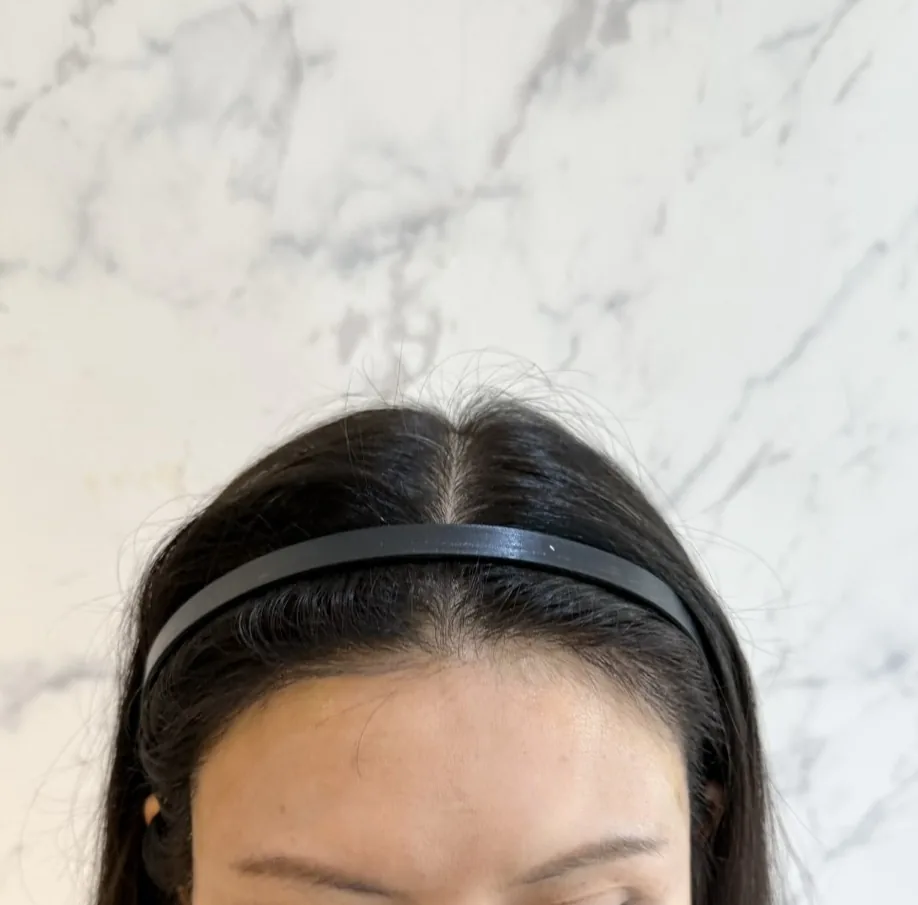
After 8 months of planting


After 8 months of hair transplantation, it was found that the new hair was stronger and denser, making the face frame clearer. I was able to style my hair and tie it up with confidence.

All personal information about the review has been authorized by the person who owns the review case. Reproduction, modification of images outside of the mphairclinic.com website is illegal.
All personal information about the review has been authorized by the person who owns the review case. Reproduction, modification of images outside of the mphairclinic.com website is illegal.
All personal information about the review has been authorized by the person who owns the review case. Reproduction, modification of images outside of the mphairclinic.com website is illegal.
All personal information about the review has been authorized by the person who owns the review case. Reproduction, modification of images outside of the mphairclinic.com website is illegal.
FAQ
Frequently Asked Questions About Hair Transplants
For hair transplant services and consultations, please visit
MP Clinic Center Branch