
Alopecia Areata (AA)
Alopecia Areata Treatment Program
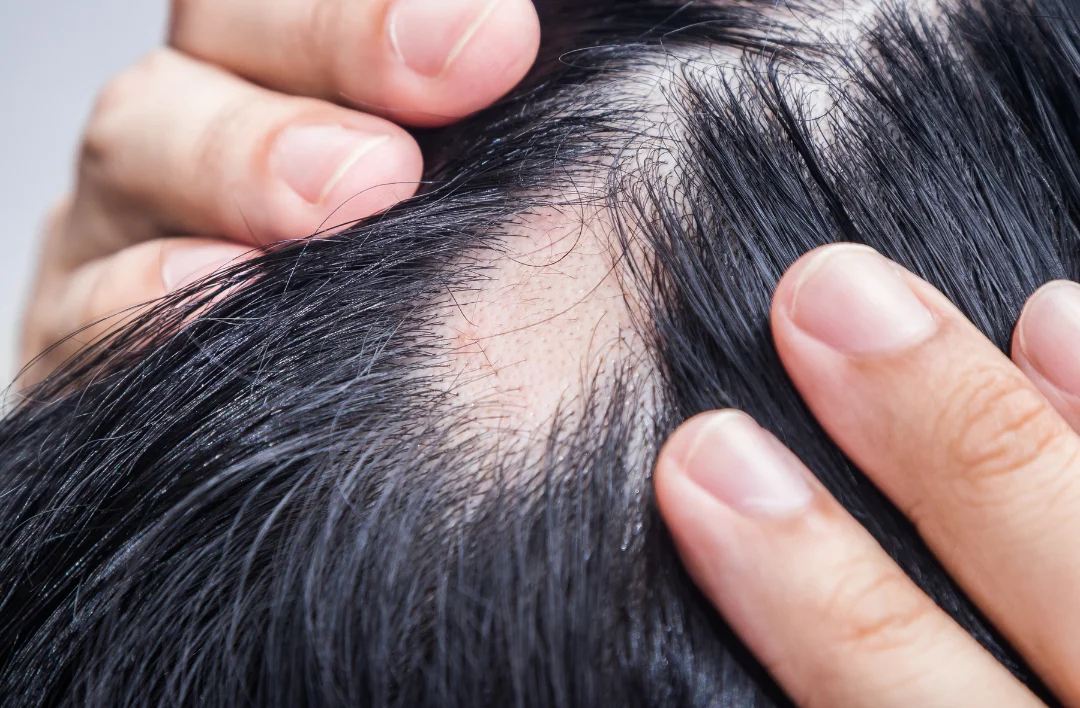
Targeted care for patchy hair loss, with assessment and treatment planning by a doctor
Alopecia Areata is a condition in which the body's immune system affects the function of hair follicles, causing hair to fall out in circular areas or patches. It most commonly affects the scalp, but can also occur elsewhere on the body.
A characteristic feature is that the areas of hair loss often have fairly clear boundaries. The scalp may look smooth without scarring. A person may develop just one patch or several patches.
MP Clinic has therefore designed a care program for people with patchy hair loss, focusing on assessment of possible causes, specialized treatment and continued care at home under a doctor's treatment plan.
Program details
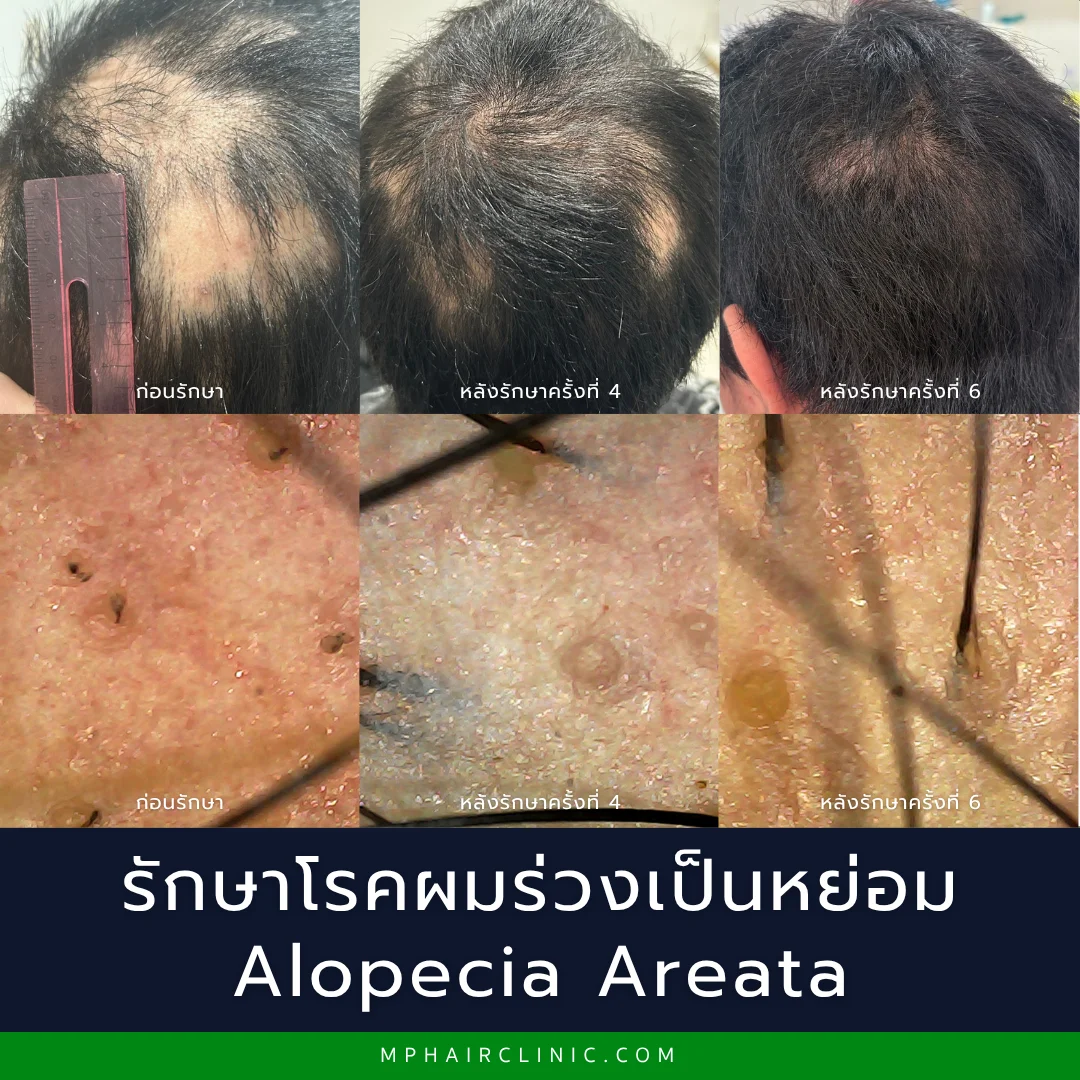
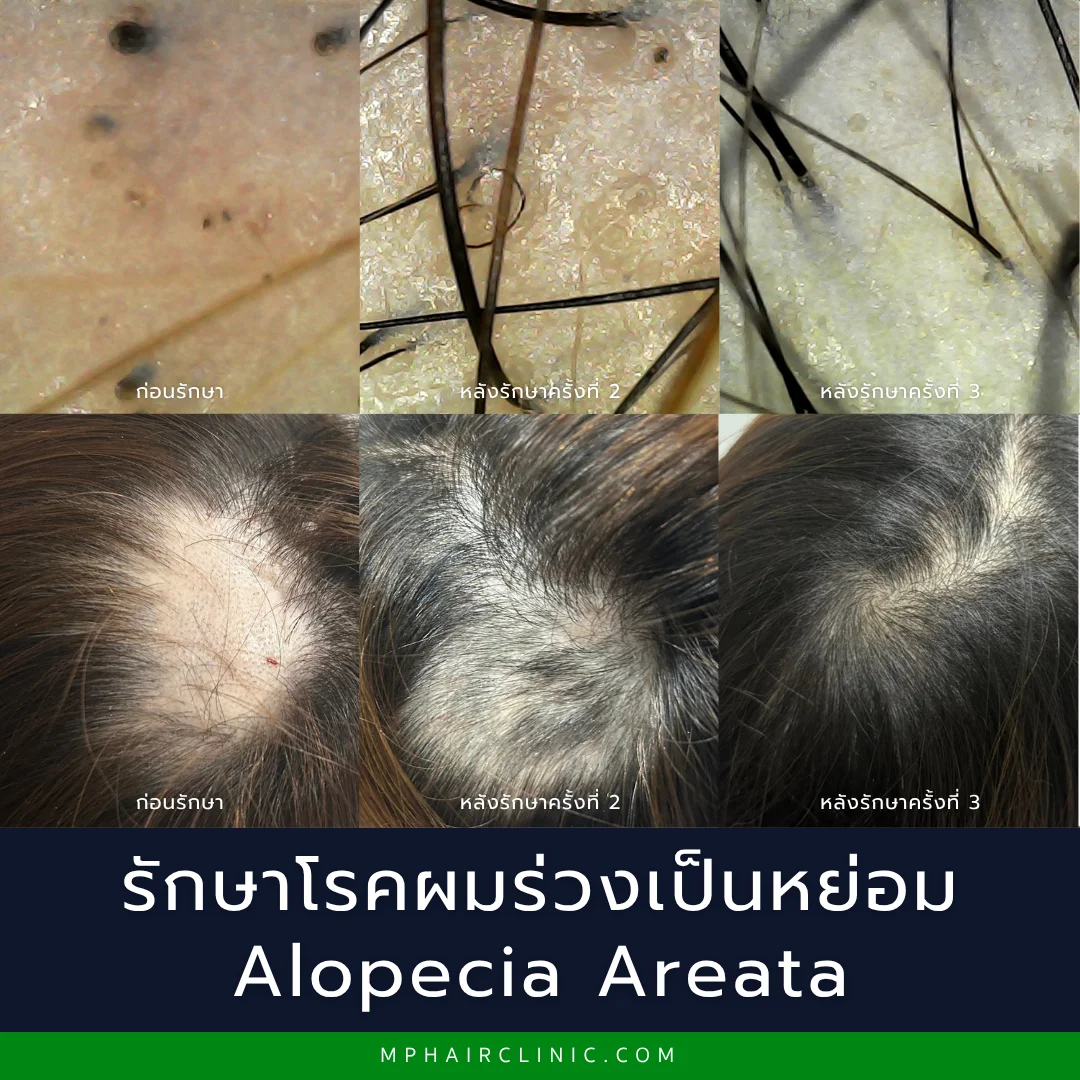
This program focuses specifically on the care of Alopecia Areata. The doctor will consider treatment methods suited to each person's symptoms and severity.
Program benefits
* Helps address patchy hair loss specifically, using treatment approaches appropriate to the condition
* Helps reduce inflammation in affected areas through injections according to medical indications and the doctor's judgment
* Helps assess factors related to hair health by testing vitamin D levels
* Supports hair regrowth through Minoxidil alongside the treatment plan when the doctor considers it appropriate
* Provides continued follow-up to assess treatment response and adjust the plan to each individual
Who is this program suitable for?
* People with circular or patchy areas of hair loss on the scalp
* People with localized hair loss with clearly defined boundaries
* People who experience recurring patches of hair loss
* People who want assessment of the cause and appropriate treatment
* People who want care for patchy hair loss under a doctor's supervision
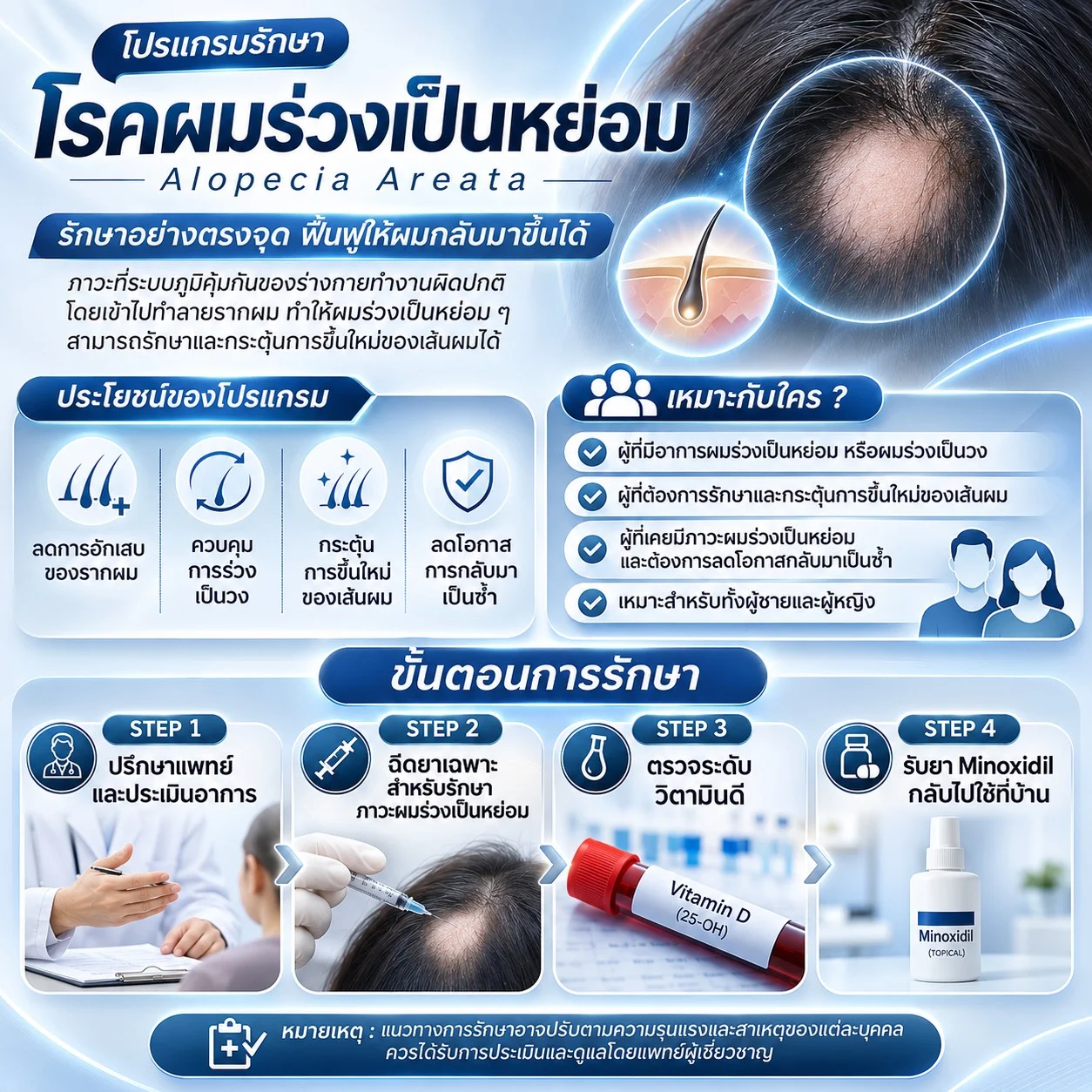
Program steps at MP Clinic
STEP 1 : Consult a doctor and assess symptoms
Start with a consultation to assess the pattern of hair loss, examine the scalp and consider possible causes, to distinguish Alopecia Areata from other types of hair loss.
STEP 2 : Targeted injections for Alopecia Areata
The doctor will consider injections in the affected areas to help control the inflammatory process associated with Alopecia Areata. The type of medication and treatment frequency depend on the doctor's assessment.
STEP 3 : Vitamin D level test
A vitamin D test assesses deficiency that may coexist with patchy hair loss. The results are considered when planning overall health care.
STEP 4 : Take Minoxidil home for continued use
Continue using Minoxidil at home as instructed by the doctor, to help support hair regrowth as part of the treatment plan.
Available branches


Reviews
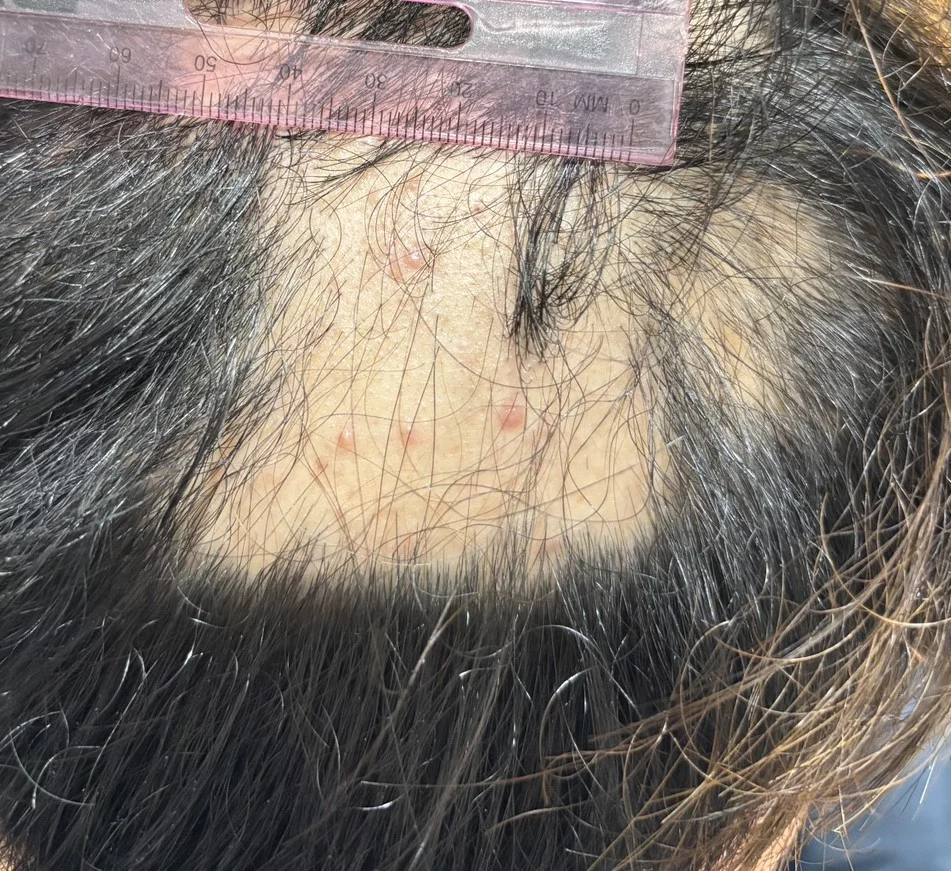
Case Review: Khun PP — Alopecia Areata on the Front Scalp
Khun PP consulted a physician in June 2026 about several patches of hair loss on the front and back of the scalp. The clearly visible round areas of thinning affected confidence in daily life. The physician assessed the condition and planned treatment at MP Clinic.
Read more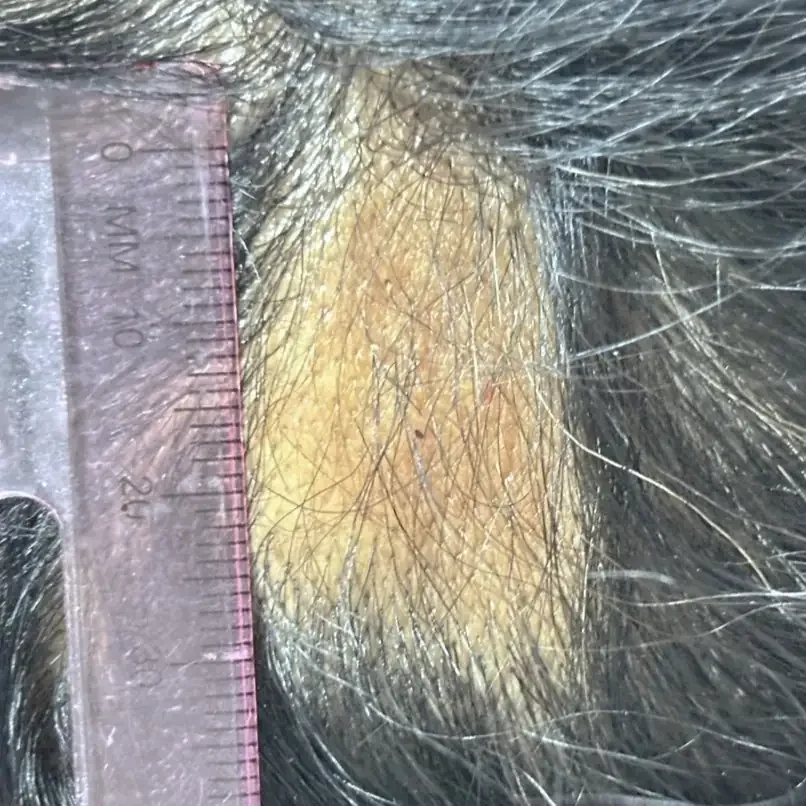
Case Review: Khun S — Alopecia Areata treatment on the front scalp
Khun S consulted our physician in May 2026 about patchy hair loss (alopecia areata) on the front area of the scalp, which caused clearly visible round thinning patches and a loss of confidence in daily life. After assessment by the physician and treatment planning at MP Clinic.
Read more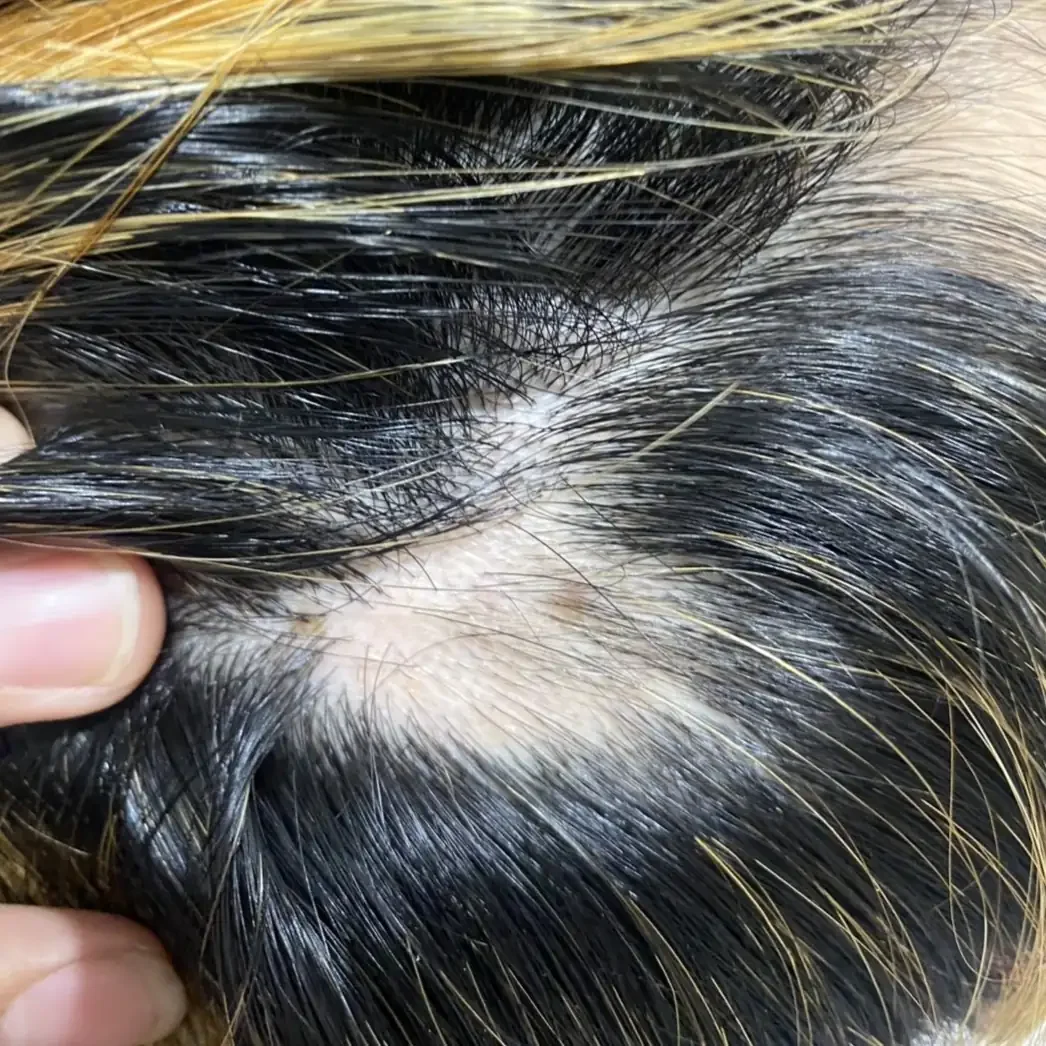
Case Review: Khun K — Alopecia Areata treatment on the front scalp
Khun K consulted our physician in December 2025 about patchy hair loss (alopecia areata) on the front area of the scalp, which caused clearly visible round thinning patches and a loss of confidence in daily life. After assessment by the physician and treatment planning at MP Clinic.
Read more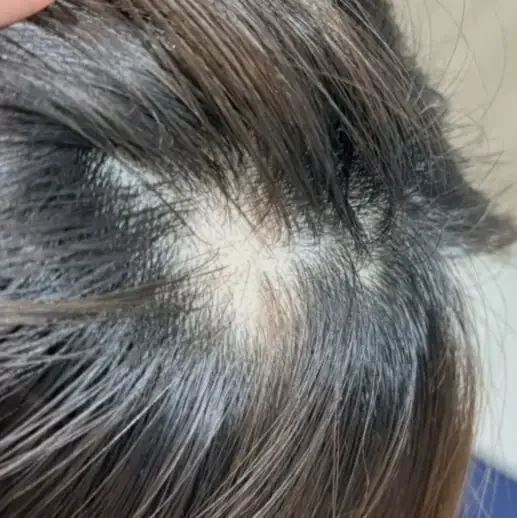
Case Review: Khun B — Alopecia Areata treatment on the front scalp
Khun B consulted our physician in December 2025 about patchy hair loss (alopecia areata) on the front area of the scalp, which caused clearly visible round thinning patches and a loss of confidence in daily life. After assessment by the physician and treatment planning at MP Clinic.
Read more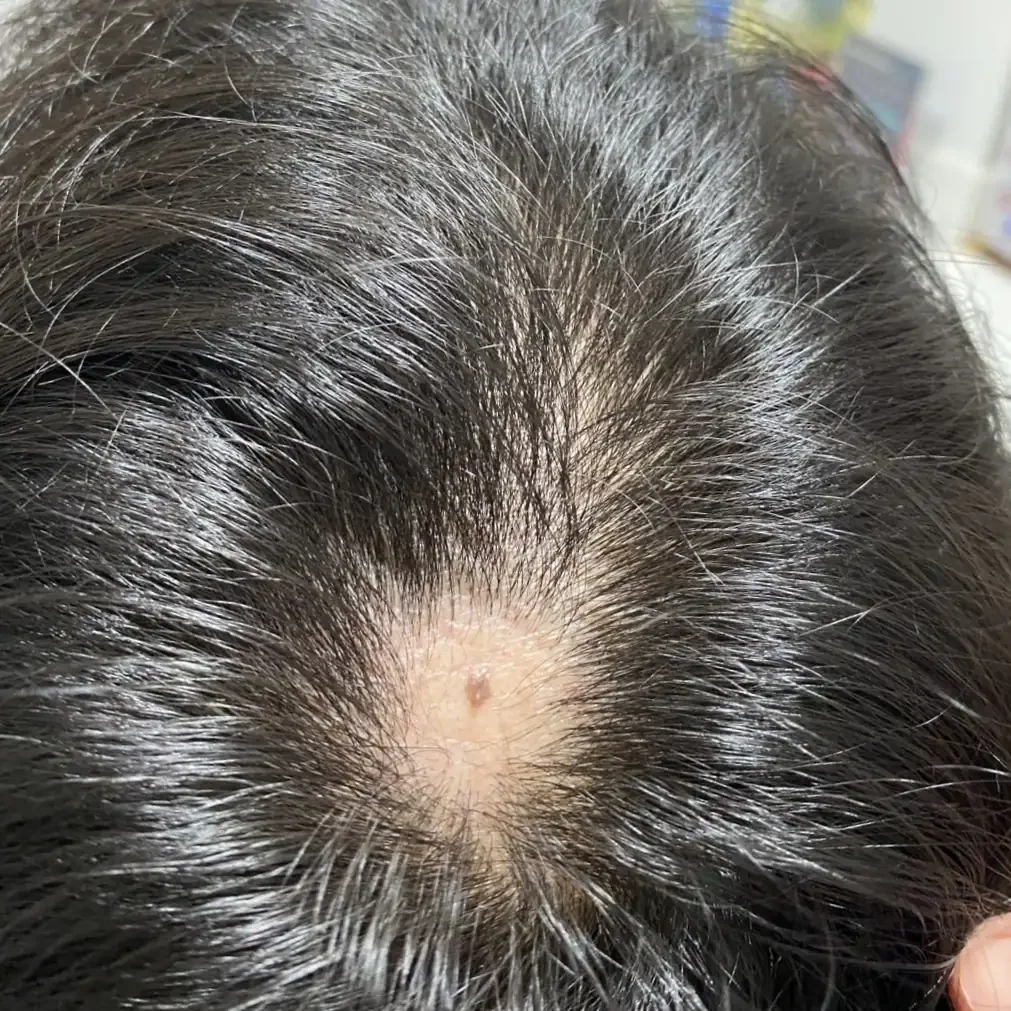
Case Review: Khun A — Alopecia Areata treatment on the front scalp
Khun A consulted our physician in June 2025 about patchy hair loss (alopecia areata) on the front area of the scalp, which caused clearly visible round thinning patches and a loss of confidence in daily life. After assessment by the physician and treatment planning at MP Clinic.
Read more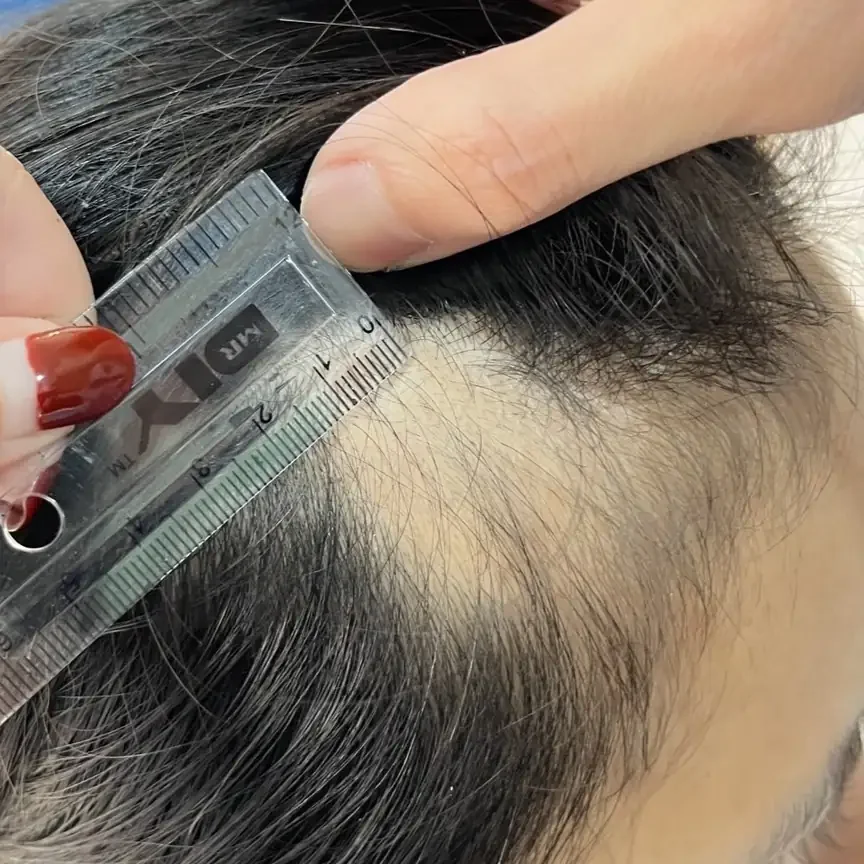
Case Review: Khun J — Alopecia Areata treatment on the front scalp
Khun J consulted our physician in August 2024 about patchy hair loss (alopecia areata) on the front area of the scalp, which caused clearly visible round thinning patches and a loss of confidence in daily life. After assessment by the physician and treatment planning at MP Clinic.
Read more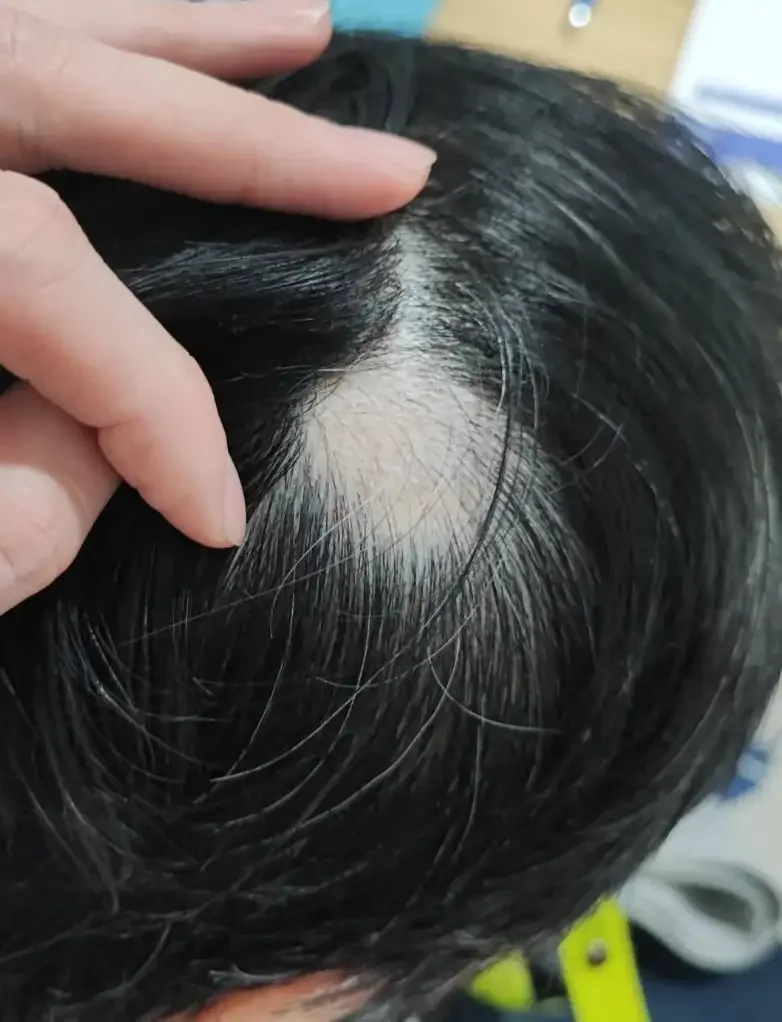
Case Review: Khun V — Alopecia Areata treatment on the scalp
Khun V consulted our physician in September 2023 about patchy hair loss (alopecia areata) on the scalp, which caused clearly visible round thinning patches and a loss of confidence in daily life. After assessment by the physician and treatment planning at MP Clinic.
Read moreFAQ
Q1: What causes Alopecia Areata?
A: The main cause involves an abnormal immune response that attacks the hair follicles. Possible associated factors include genetics and family history, immune system abnormalities, certain coexisting autoimmune diseases, and environmental factors or stress that may contribute to triggering symptoms in some people. However, it is not always possible to identify a specific cause for each patient.
Q2: Is Alopecia Areata really caused by stress?
A: Stress may be one factor involved in the onset or triggering of symptoms in some people. However, this does not mean everyone under stress will develop the condition, and stress is not the sole direct cause, because the condition also involves the immune system and genetic factors.
Q3: Can Alopecia Areata resolve on its own?
A: Hair may regrow spontaneously in some people, particularly those with only a few patches and mild disease. This does not mean everyone will recover without treatment: some people may have persistent symptoms, develop new patches or experience recurrence.
Q4: Is Alopecia Areata contagious?
A: No. Alopecia Areata is an immune-related condition rather than an infection. It cannot spread through contact, sharing a comb or being near someone with the condition.
Q5: Can Alopecia Areata affect areas other than the scalp?
A: Yes. In addition to the scalp, it may affect the eyebrows, eyelashes, moustache, beard and body hair. Nail changes, such as small pits, may also occur.
Q6: How can I tell whether hair loss is Alopecia Areata or due to another cause?
A: Appearance alone should not be used to decide, because scalp fungal infections and other types of hair loss may look similar. The doctor will assess: -The pattern and location of hair loss -The skin in the affected areas -The hair and follicles using dermoscopy -Health history and existing medical conditions -Additional tests, such as fungal testing or a biopsy, when necessary
Q7: How many injections are needed before results can be seen?
A: The number of treatments varies between individuals, depending on the size of the patches, response to medication and severity of the condition.
Q8: Will my hair grow back as it was after injections?
A: Hair may regrow because Alopecia Areata generally does not destroy the follicles through permanent scarring. Results vary between individuals. Some may first notice new hair that is fine or pale, which may gradually develop its usual thickness and color.
Q9: Why does this program include a vitamin D test?
A: Vitamin D plays a role in regulating the immune system, and studies have found an association between low vitamin D levels and Alopecia Areata.
Q10: Why use Minoxidil alongside injections?
A: Minoxidil helps support hair follicle growth. It may help increase hair density and support treatment results in some patients.
Q11: Can hair loss recur after the hair has regrown?
A: Yes, recurrence is possible because Alopecia Areata involves the immune system. Even when hair has regrown, this does not mean the immune abnormality has permanently resolved. Continued follow-up and monitoring for changes in the hair are therefore recommended.
Q12: How should I prepare for the Alopecia Areata treatment program at MP Clinic?
A: Prepare basic information about your hair loss, such as when symptoms began, whether you have experienced similar symptoms before, any existing medical conditions and medications you take. The doctor can use this information when assessing your condition and planning treatment.
Q13: Do I need follow-up visits after entering the program?
A: Attend follow-up visits as scheduled by the doctor to assess the response to treatment, examine new hair growth and consider adjustments to the treatment plan as appropriate.