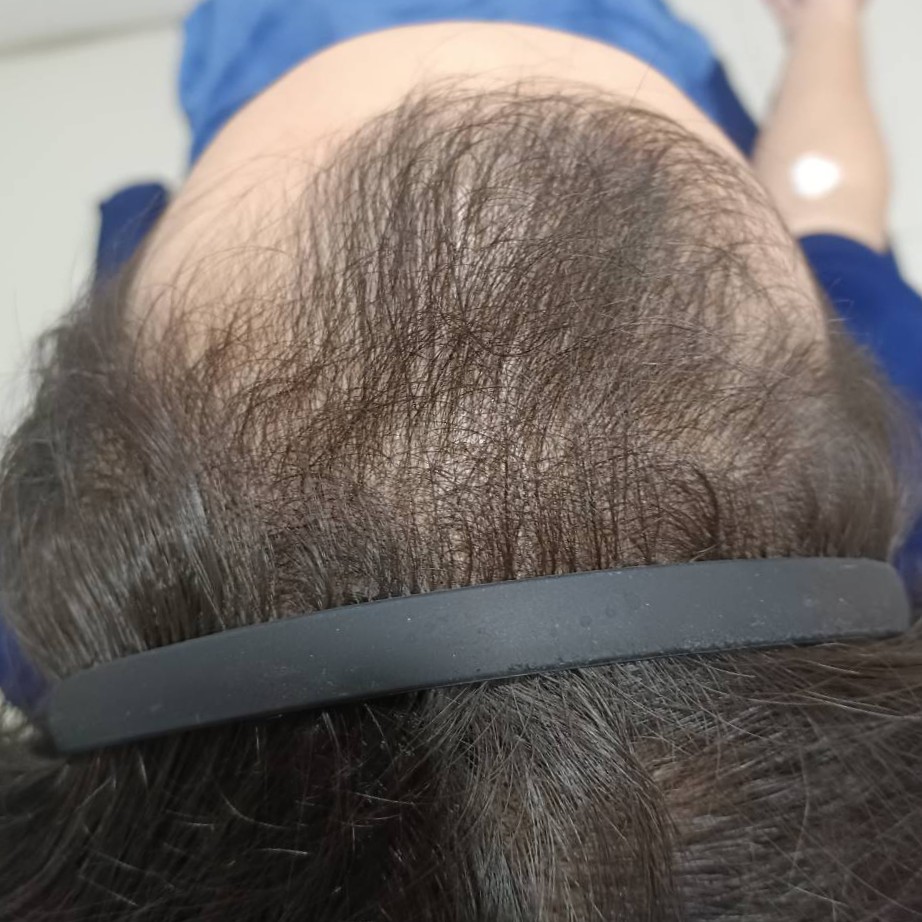
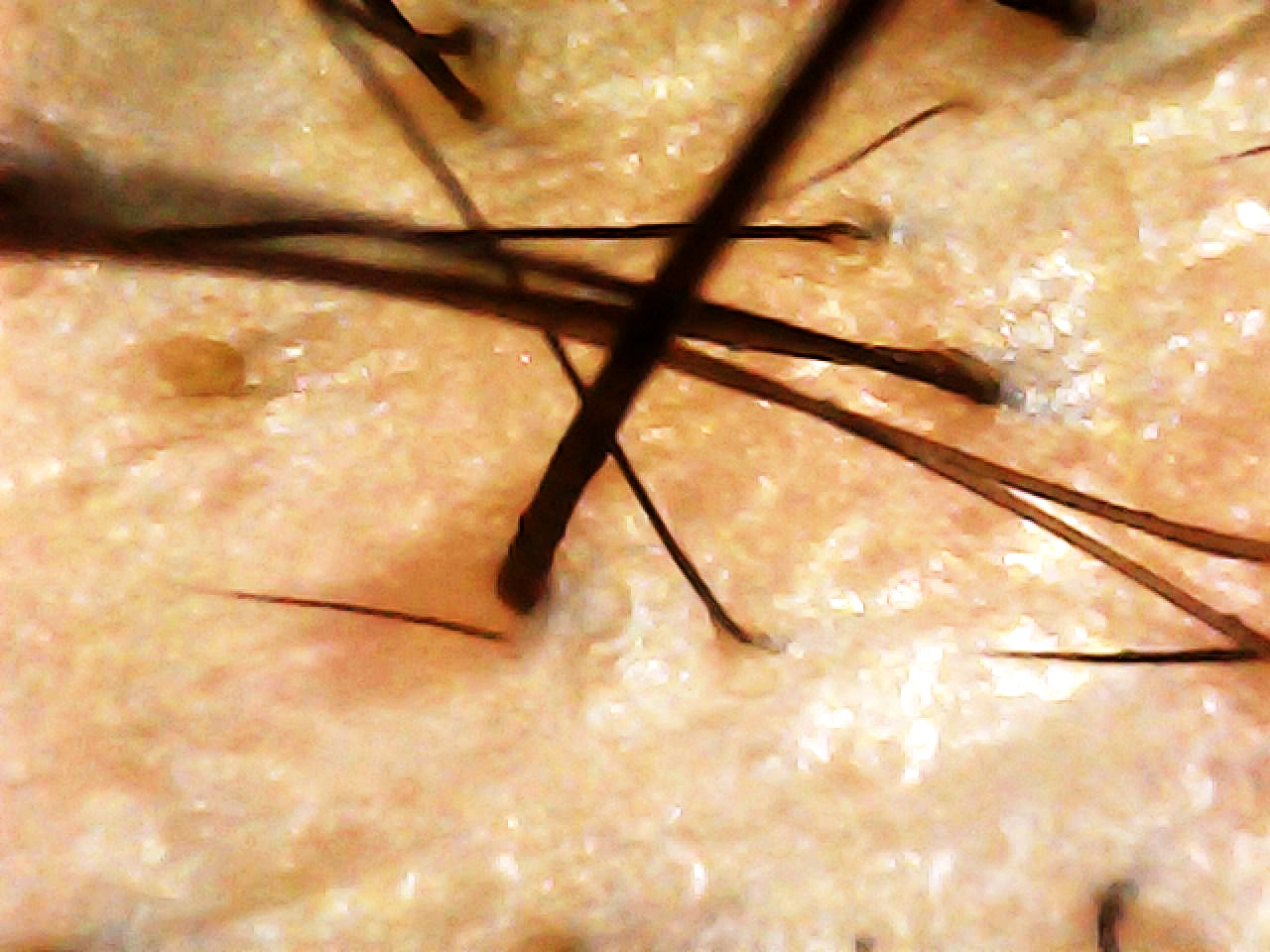
Khun BB, aged 25, had an M-shaped receding hairline with high temporal recession on both sides, and came to consult Dr. Peera at MP Clinic Chiang Mai in December 2024. After the visit, the doctor performed a hair-follicle microscopic examination to identify the cause of hair loss and assess its severity before planning the treatment.
Before Transplant
Microscopic Scan Before Transplant
Transplant Day
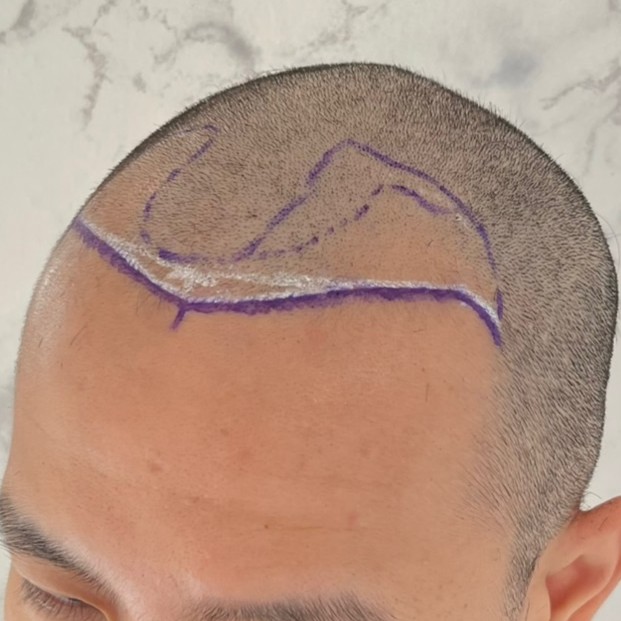
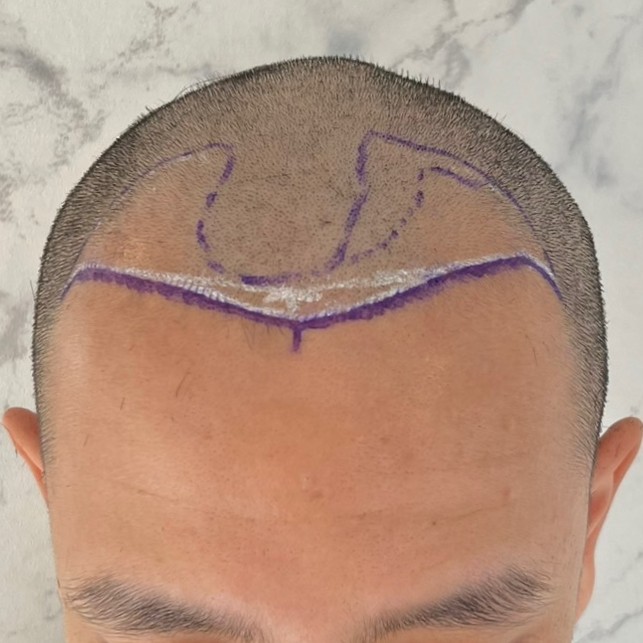
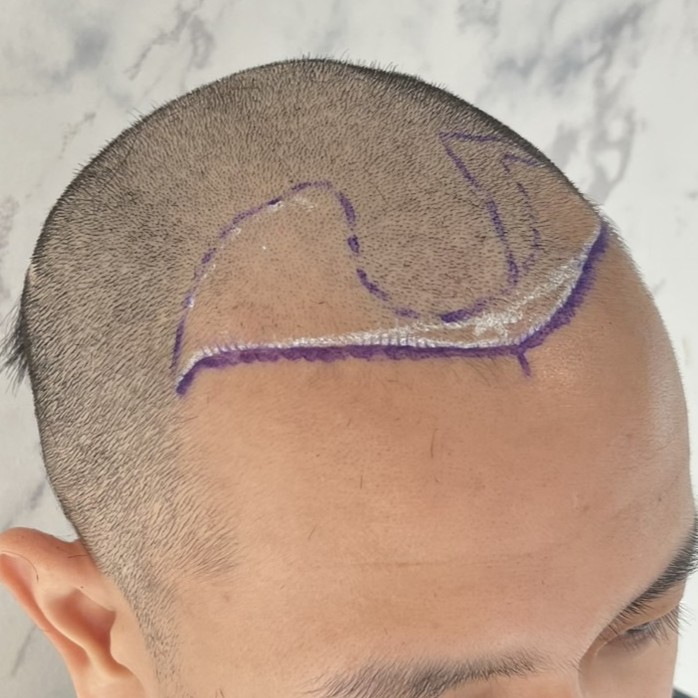
After the microscopic examination, the doctor determined that Khun BB had Stage 3 hair loss. The appropriate treatment was hair transplant surgery, using 2,150 grafts.
The hair-follicle health in Khun BB’s donor area was strong and dense, so the hair transplant surgery could be performed immediately.
14 Days After Transplant
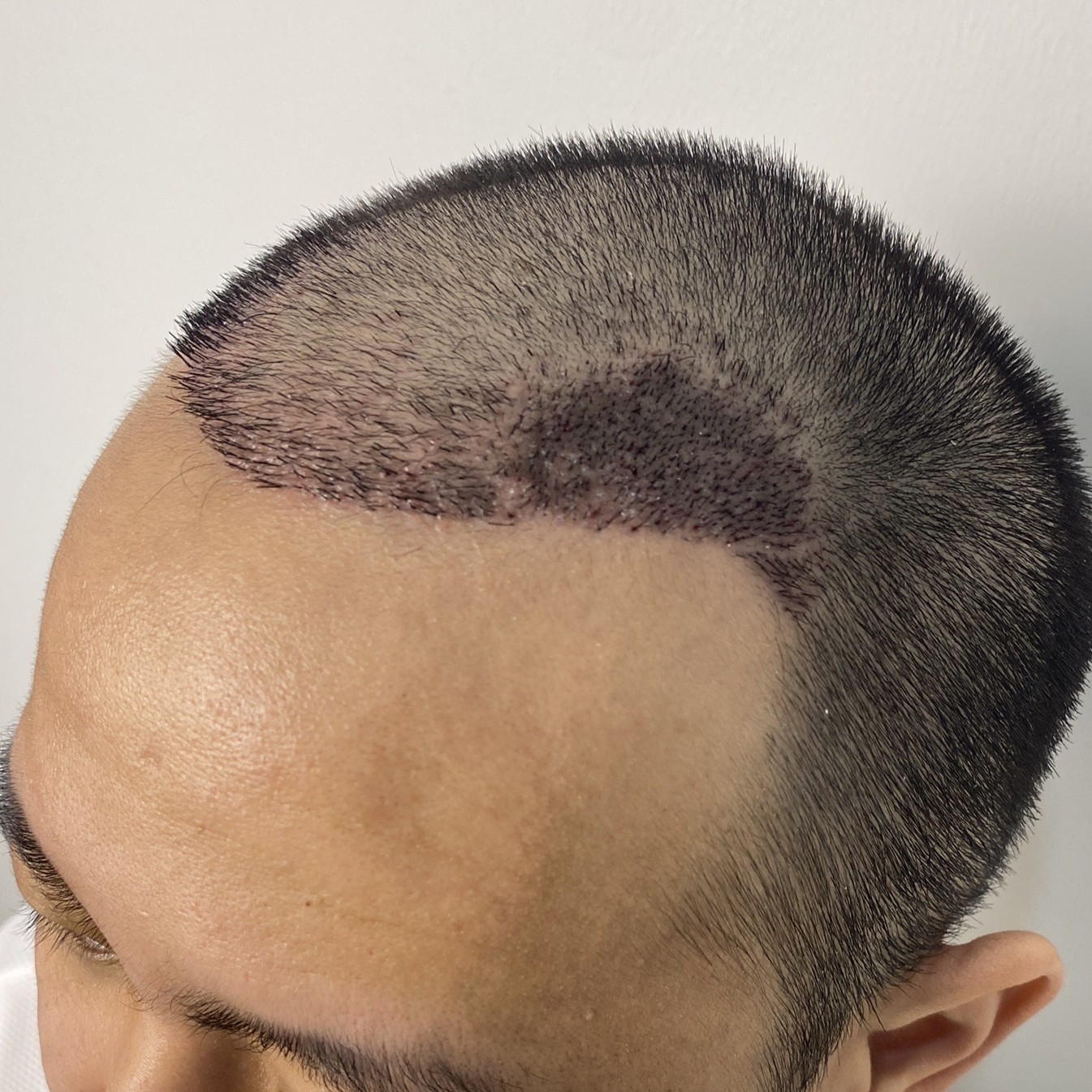
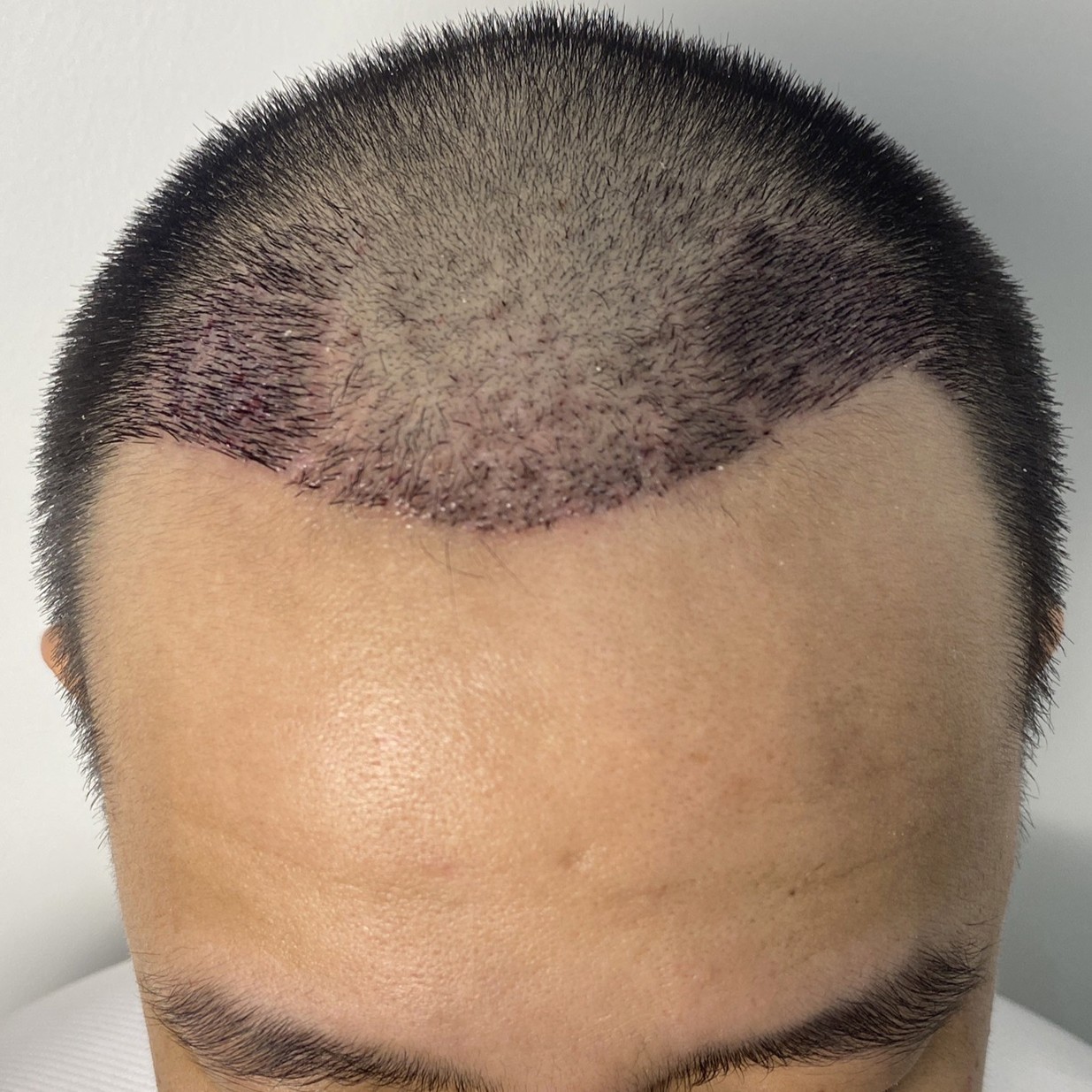
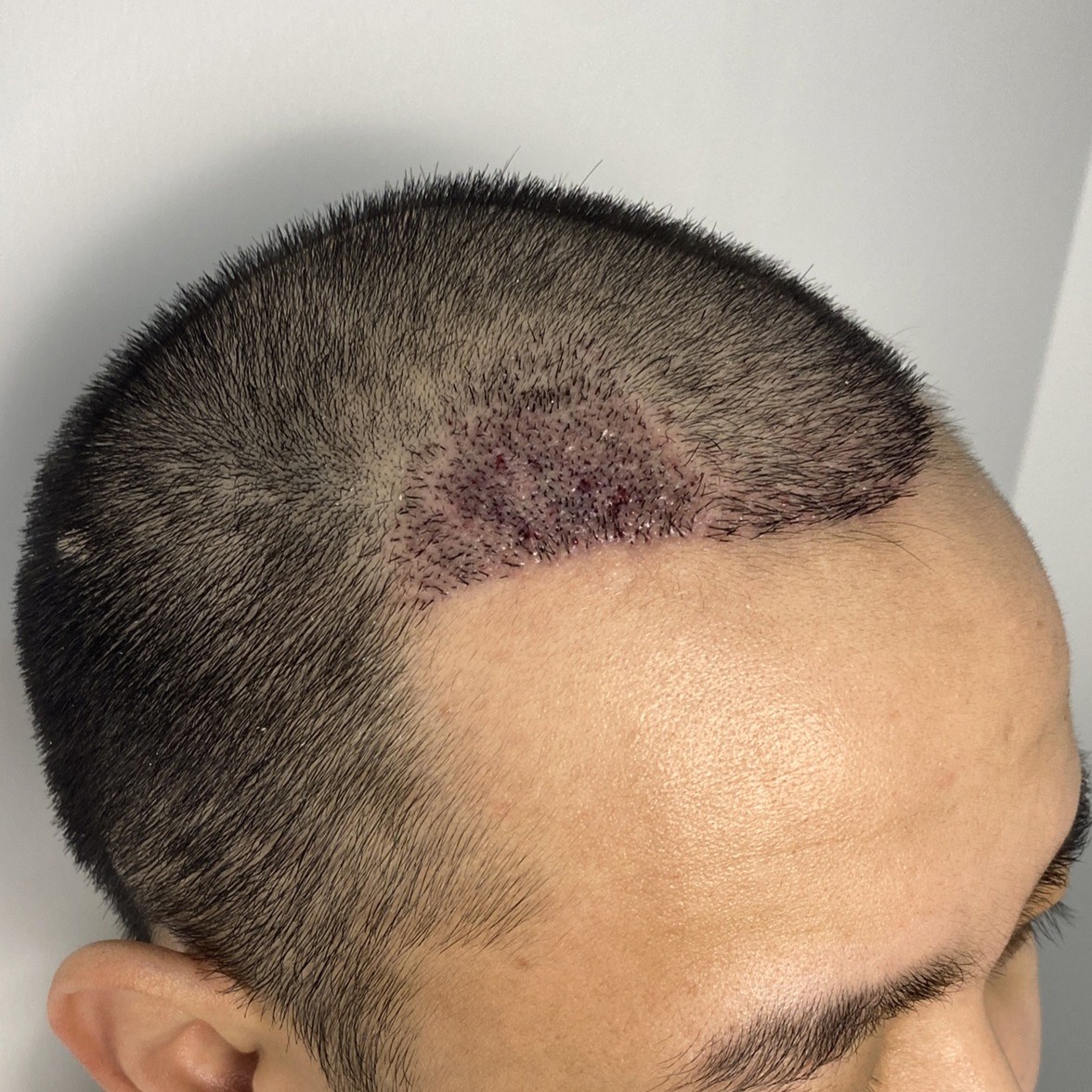
Microscopic Scan After Transplant (8 Months)

5 Months After Transplant
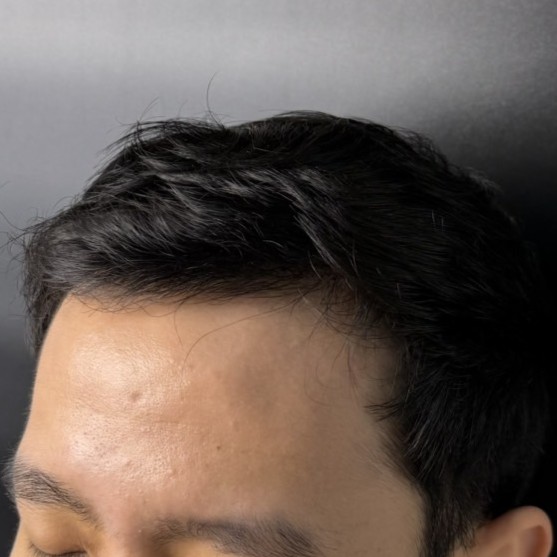
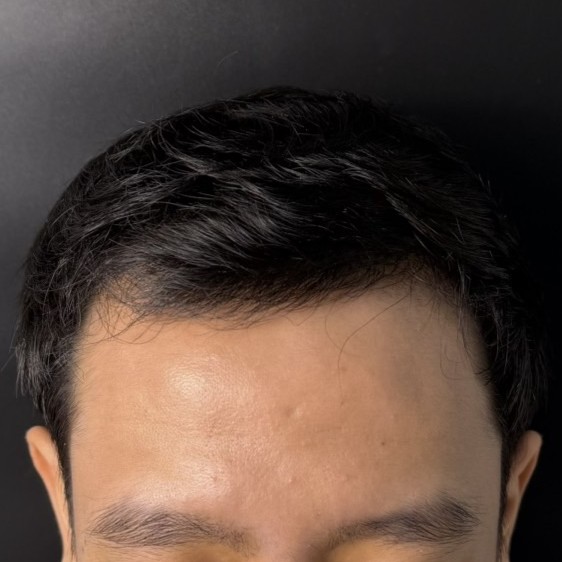
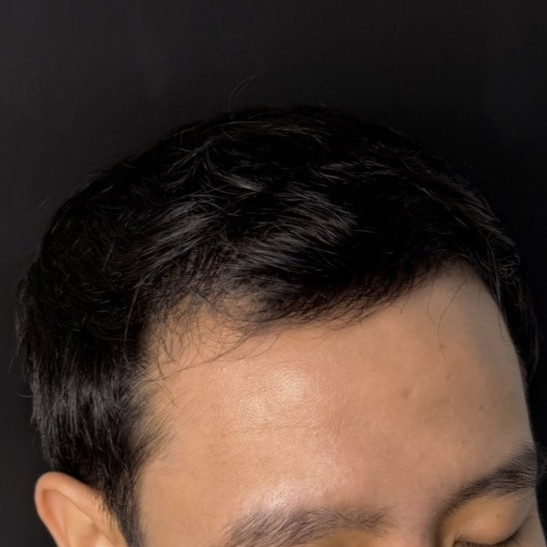
8 Months After Transplant
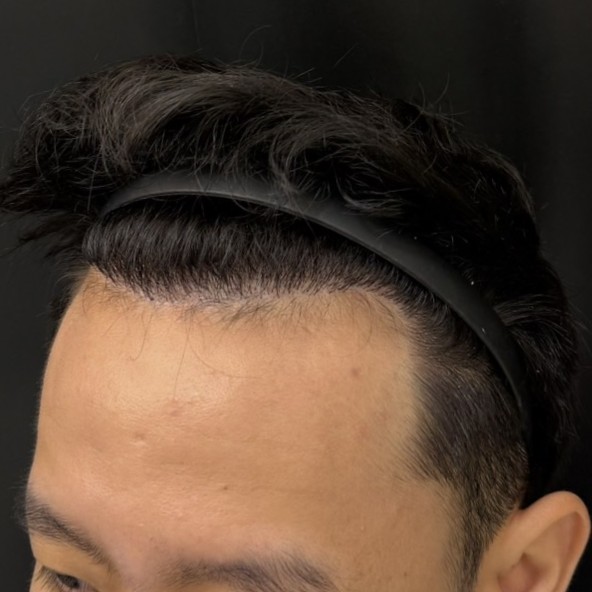
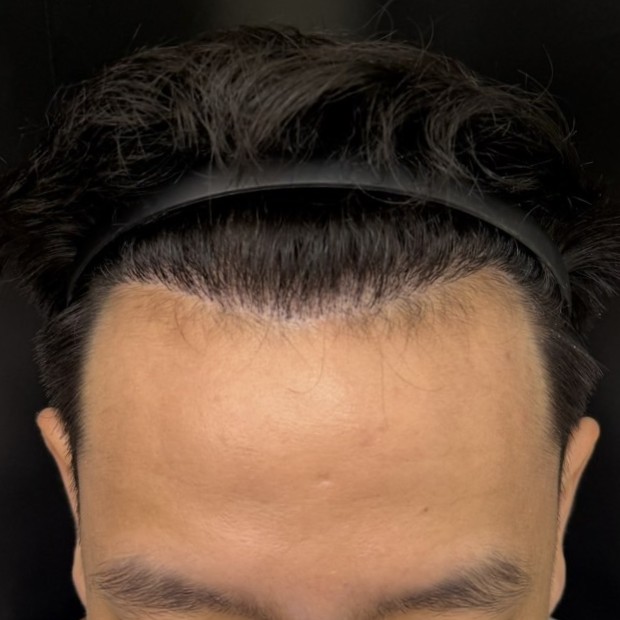
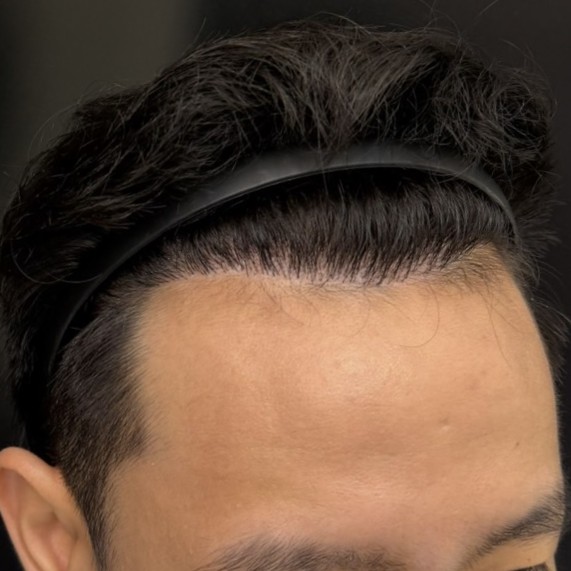
8 months after the hair transplant, the new hair was healthy and grew in densely, giving a more clearly defined hairline and allowing the hair to be styled and tied back with confidence.
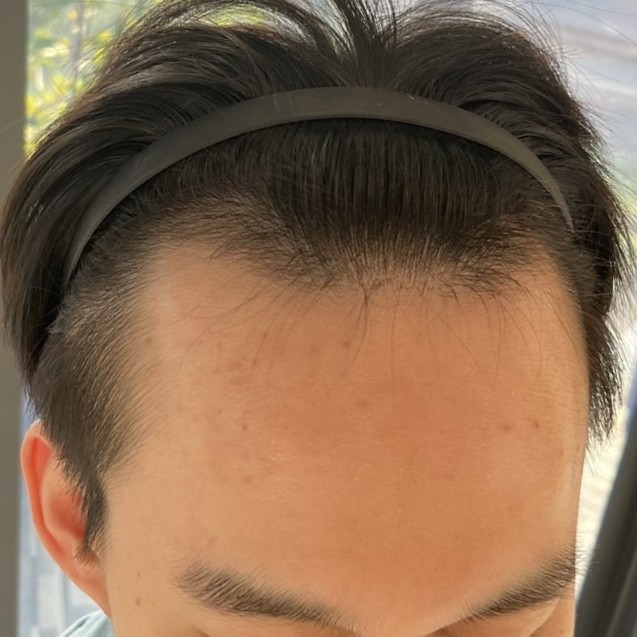
Khun V, aged 28, had an M-shaped receding hairline with high temporal recession on both sides, and came to consult Dr. Peera at MP Clinic Chiang Mai in October 2024. After the visit, the doctor performed a hair-follicle microscopic examination to identify the cause of hair loss and assess its severity before planning the treatment.
Before Transplant
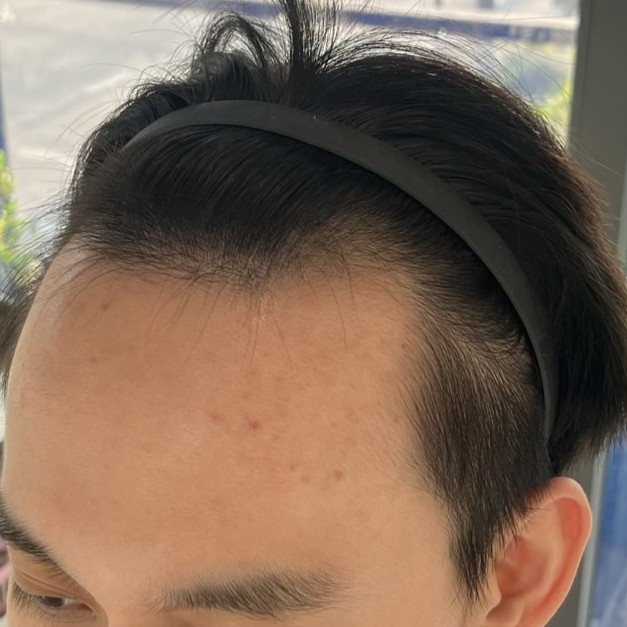
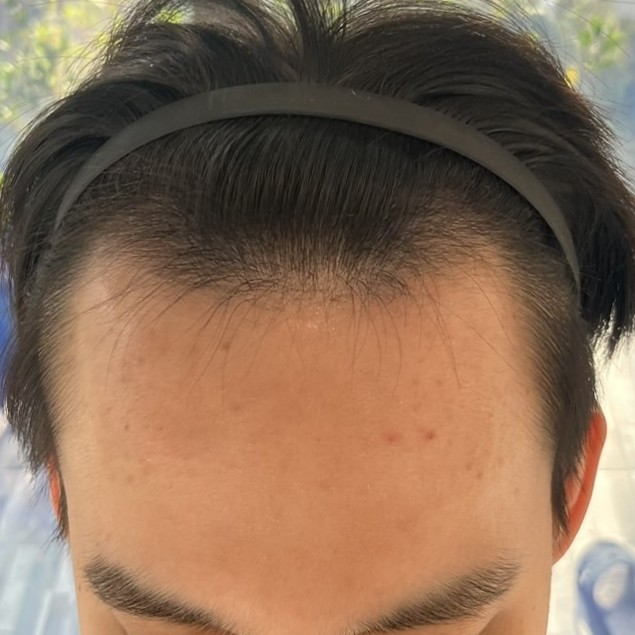
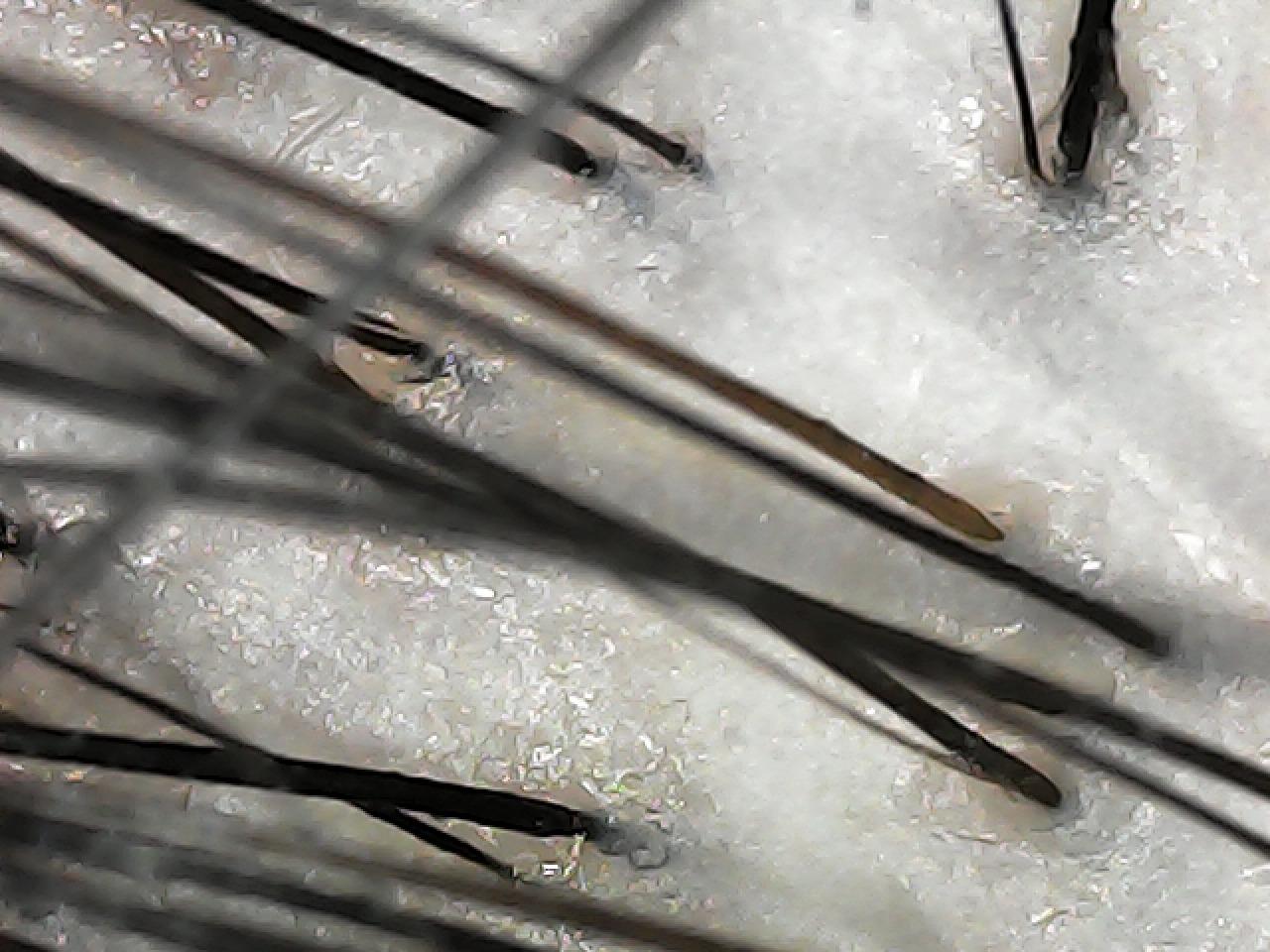
Microscopic Scan Before Transplant
Transplant Day
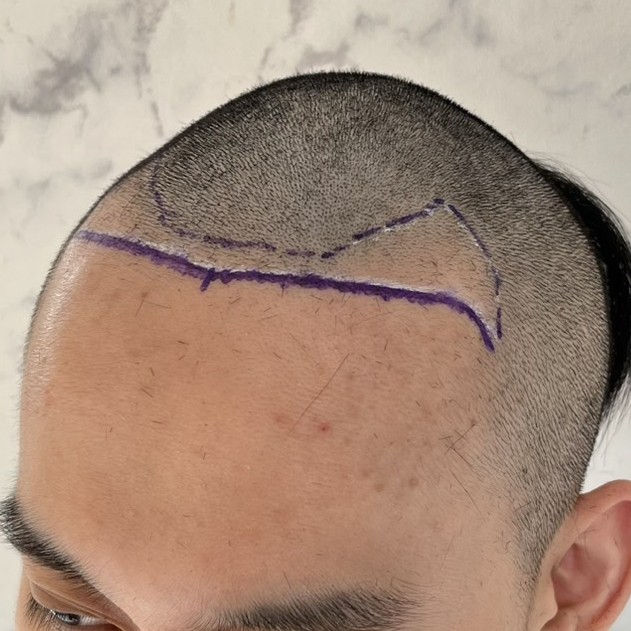
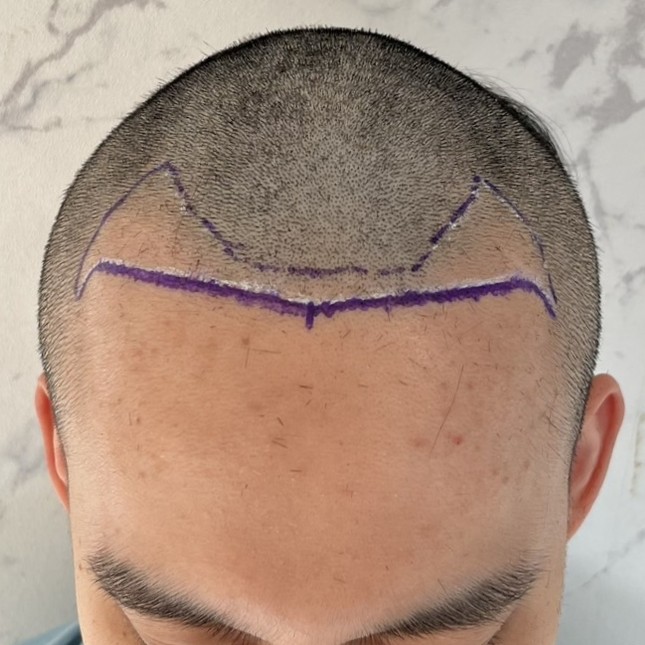
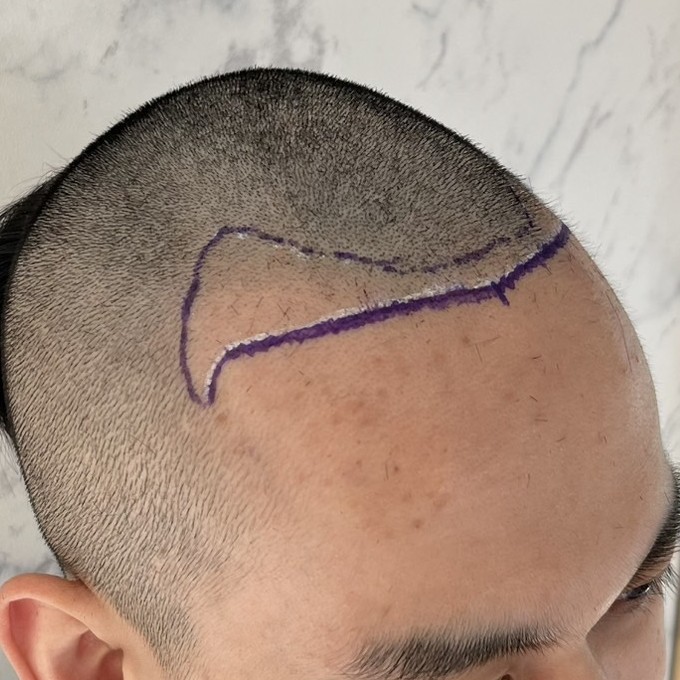
After the microscopic examination, the doctor determined that Khun V had Stage 3 hair loss. The appropriate treatment was hair transplant surgery, using 1,680 grafts.
The hair-follicle health in Khun V’s donor area was strong and dense, so the hair transplant surgery could be performed immediately.
Immediately After Transplant
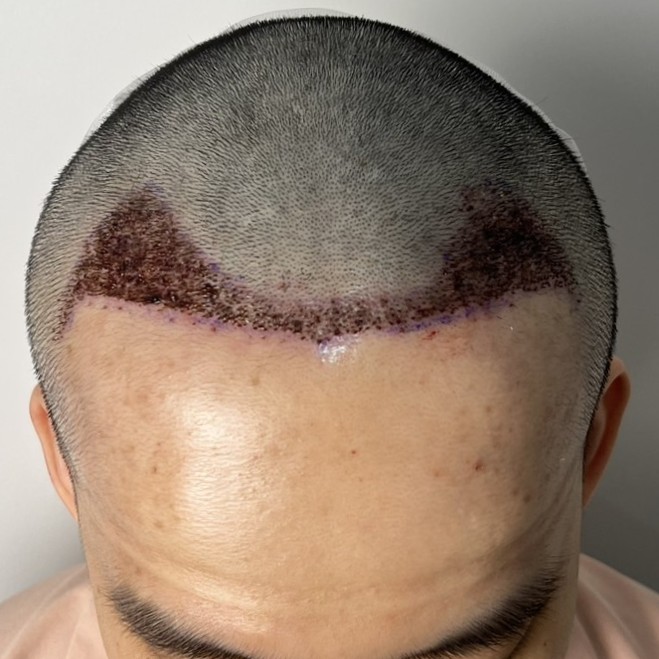
14 Days After Transplant
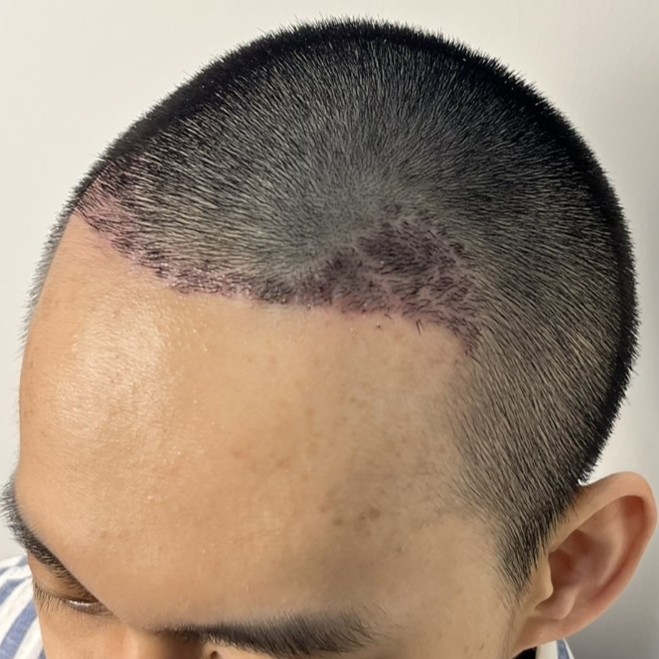
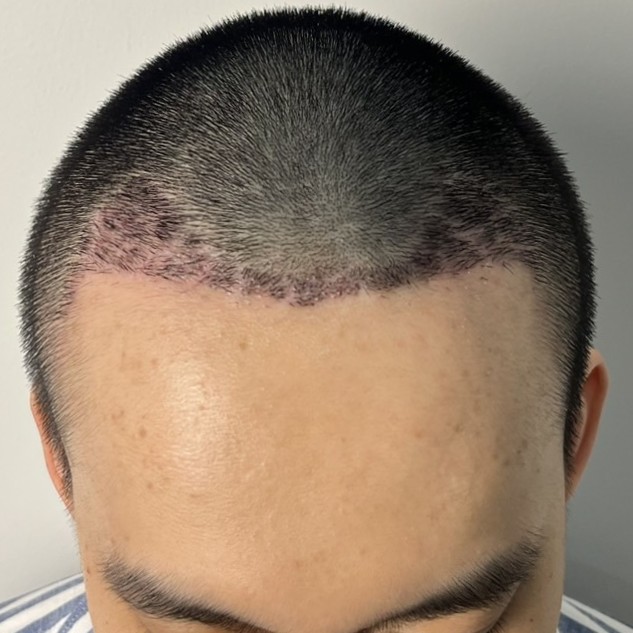
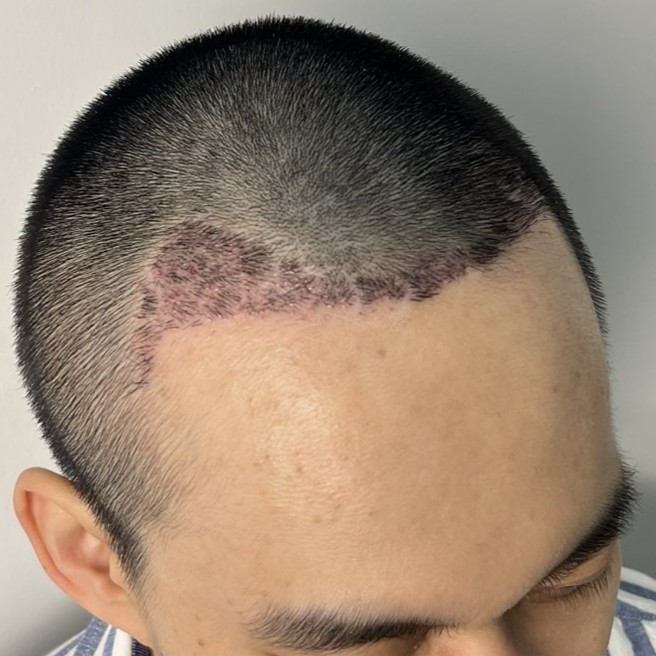
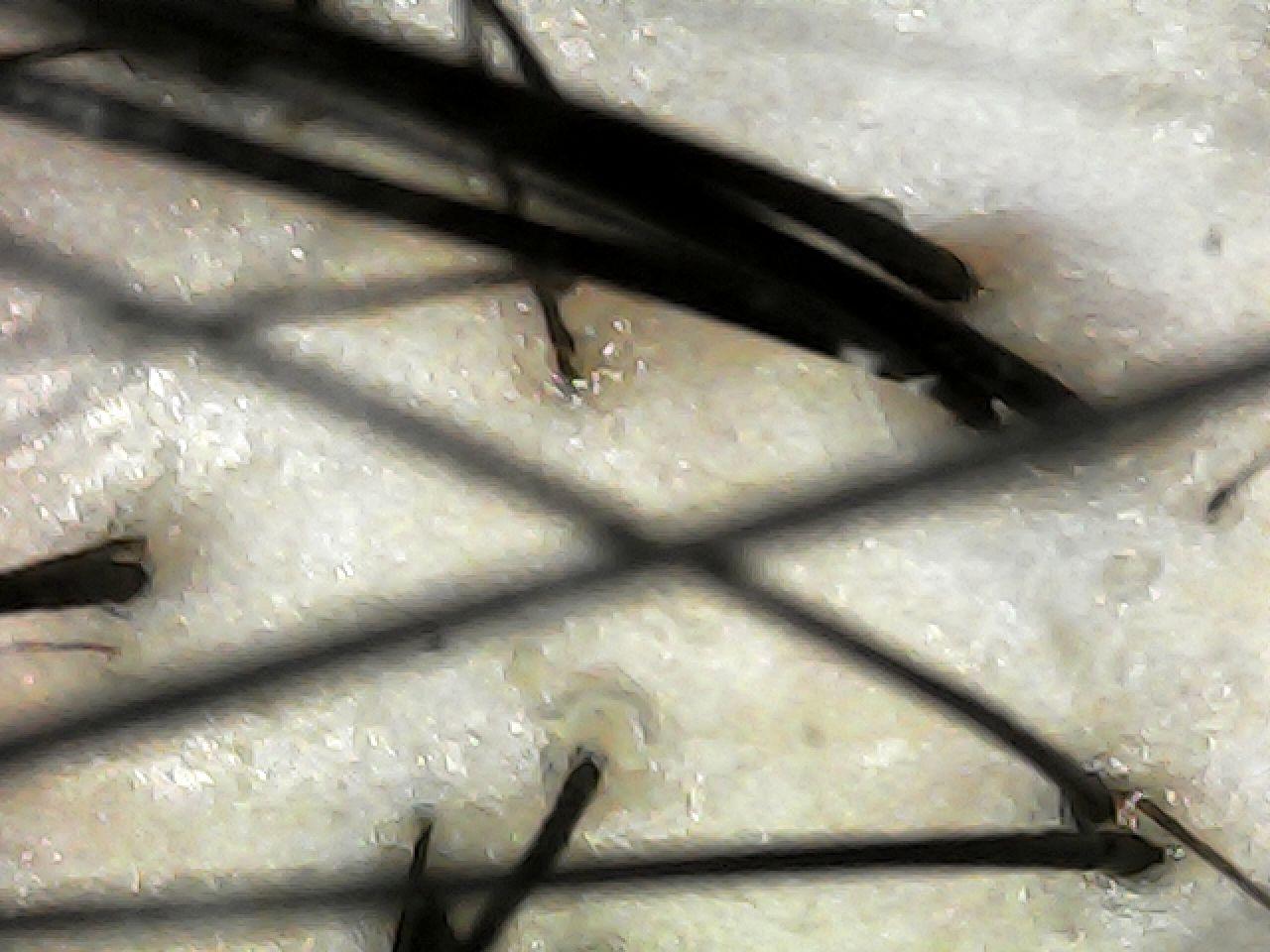
Microscopic Scan After Transplant (1 Year)
1 Year 1 Month After Transplant
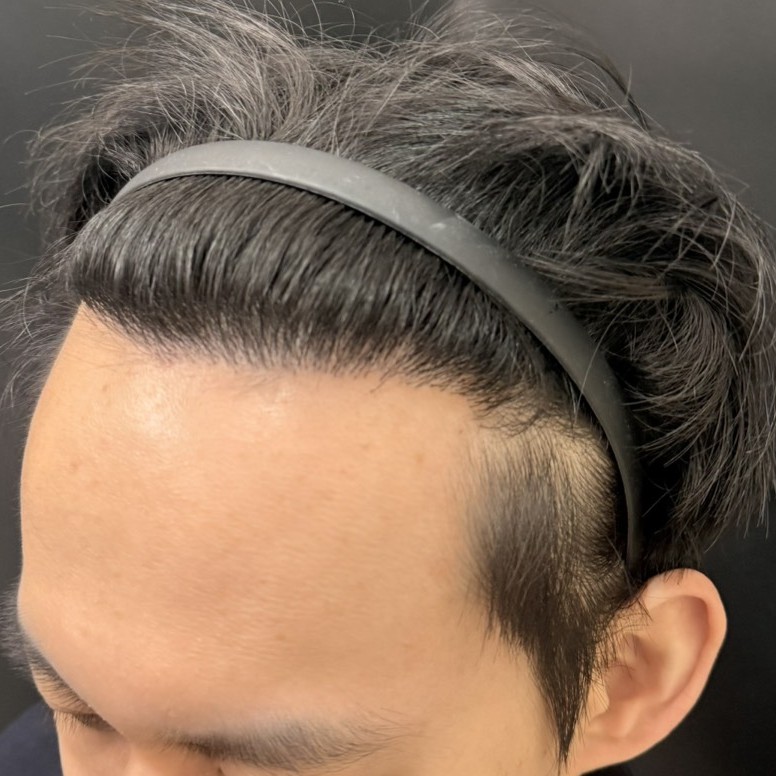
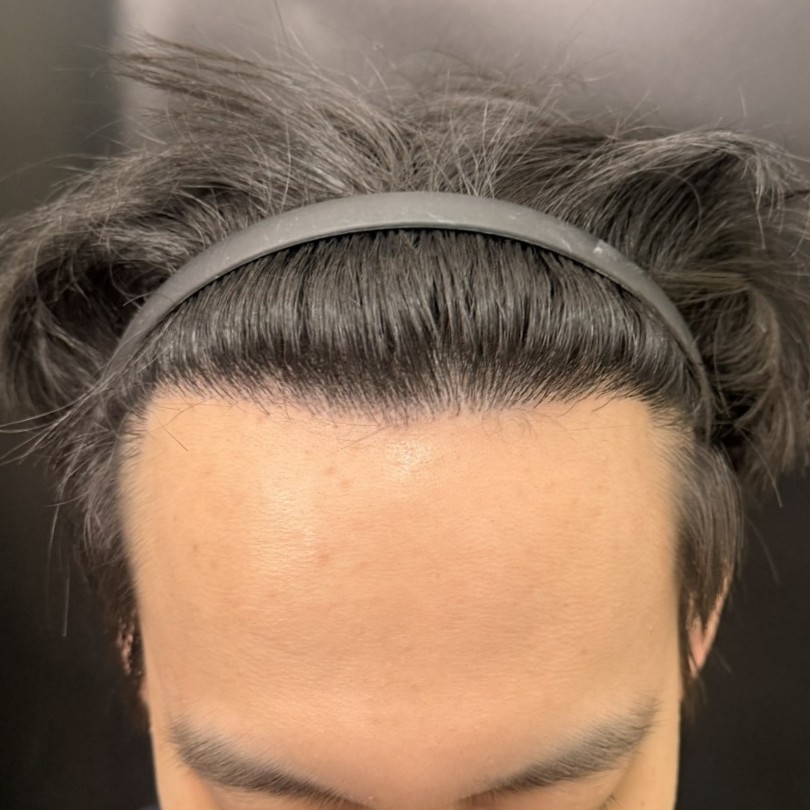
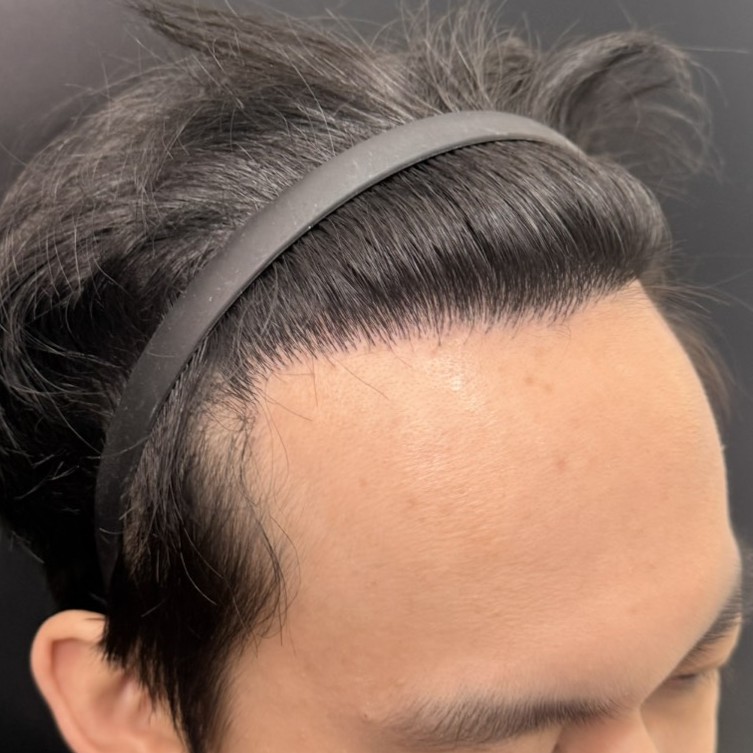
1 year and 1 month after the hair transplant, the new hair was healthy and grew in densely, giving a more clearly defined hairline and allowing the hair to be styled and tied back with confidence.
Khun D, aged 46, had an M-shaped receding hairline with high temporal recession on both sides, and came to consult Dr. Peera at MP Clinic Chiang Mai in September 2024. After the visit, the doctor performed a hair-follicle microscopic examination to identify the cause of hair loss and assess its severity before planning the treatment.
Before Transplant
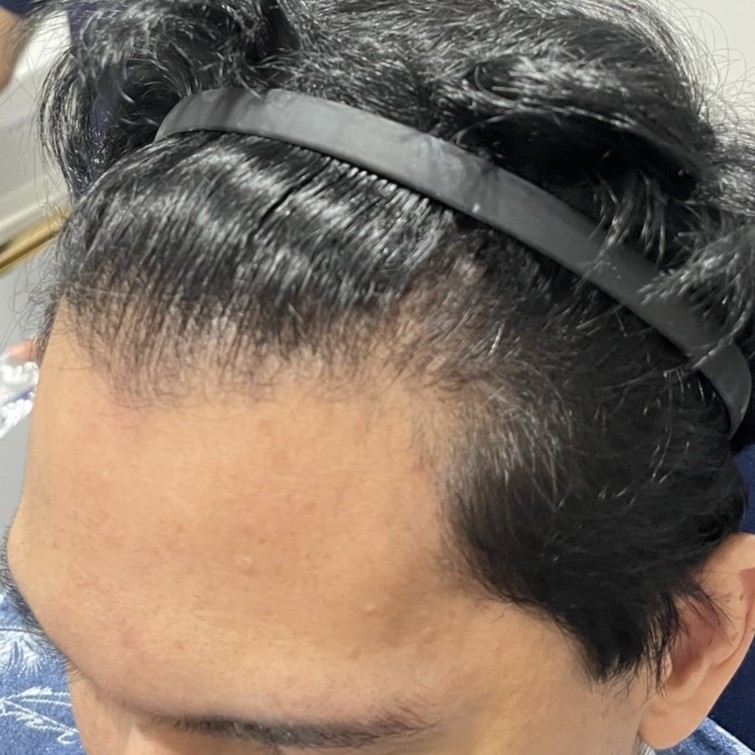
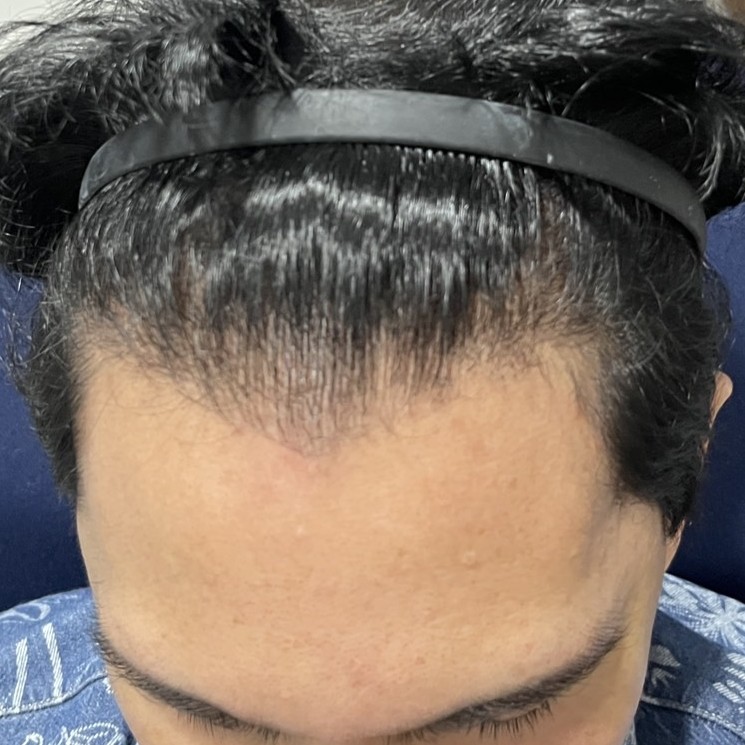
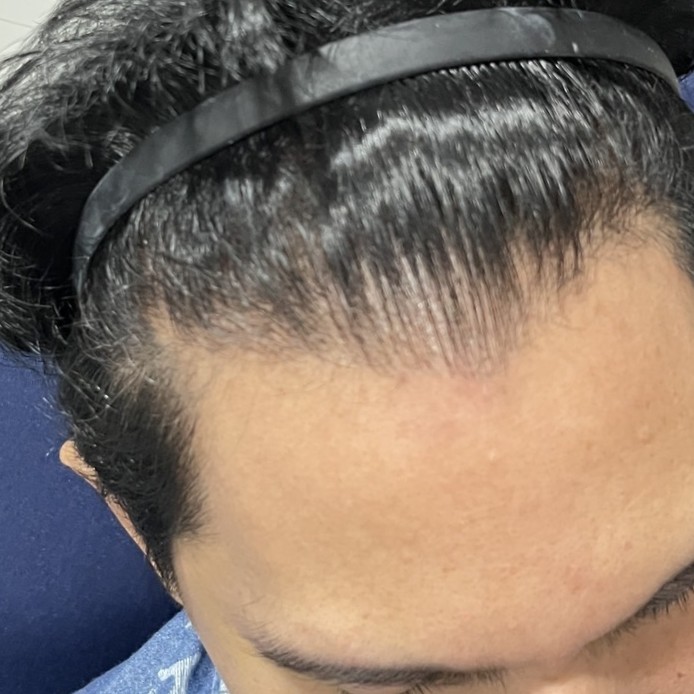
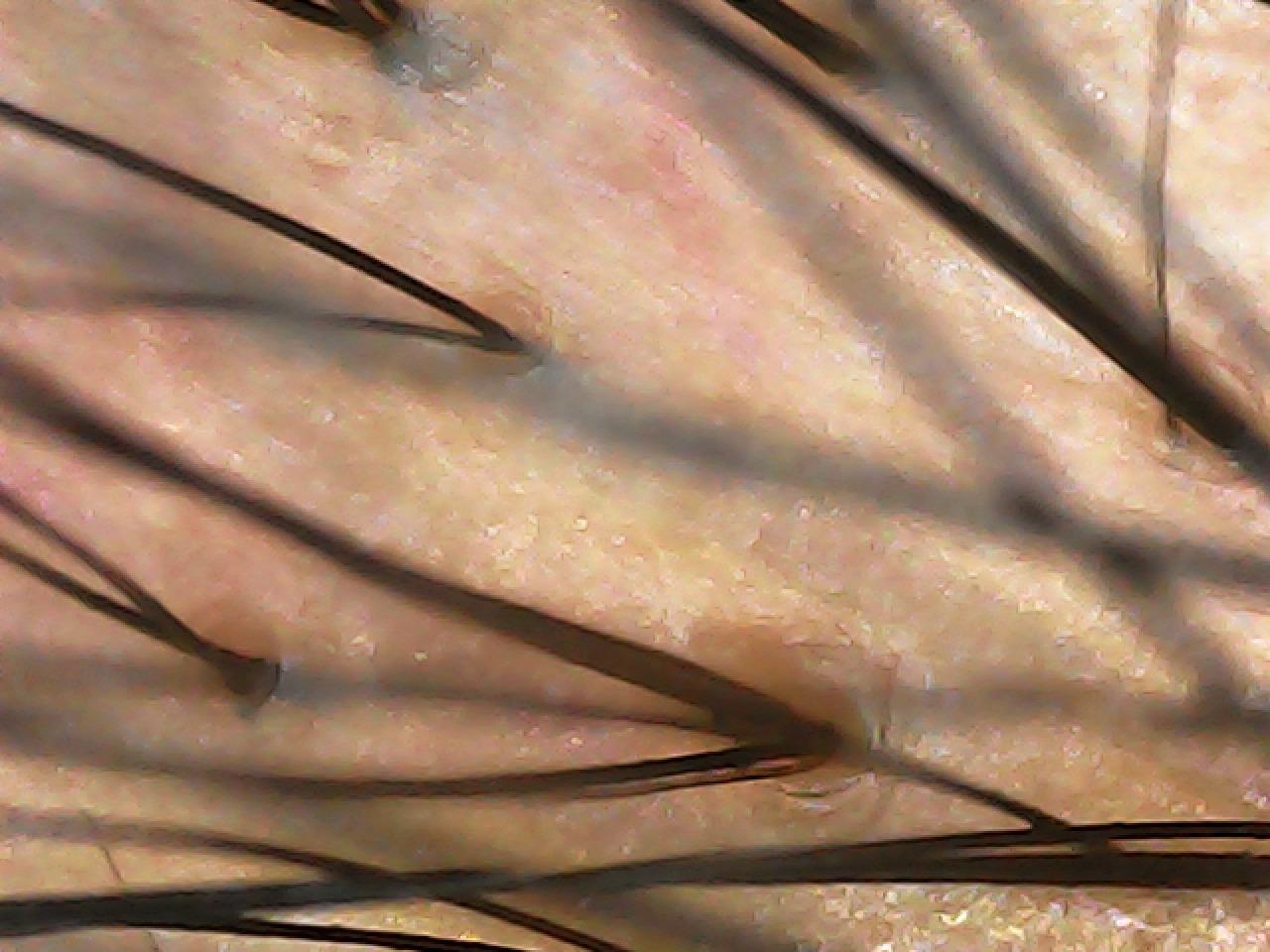
Microscopic Scan Before Transplant
Transplant Day
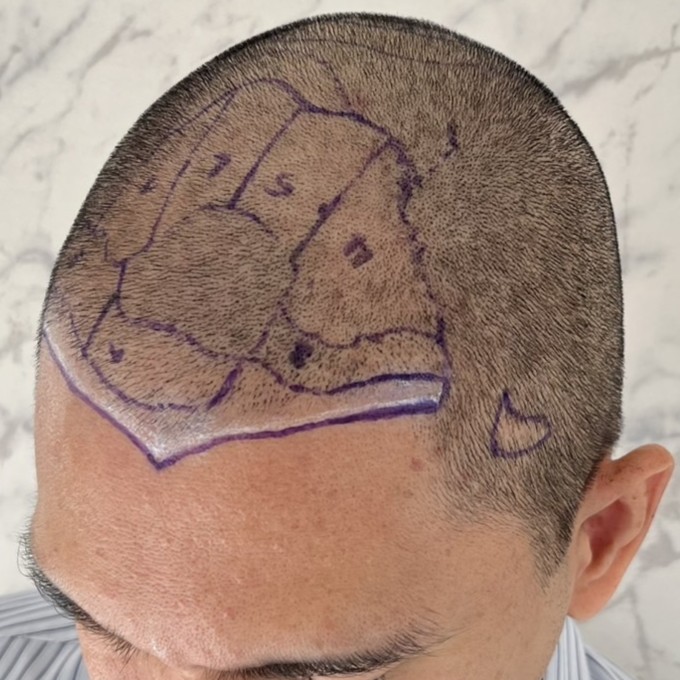
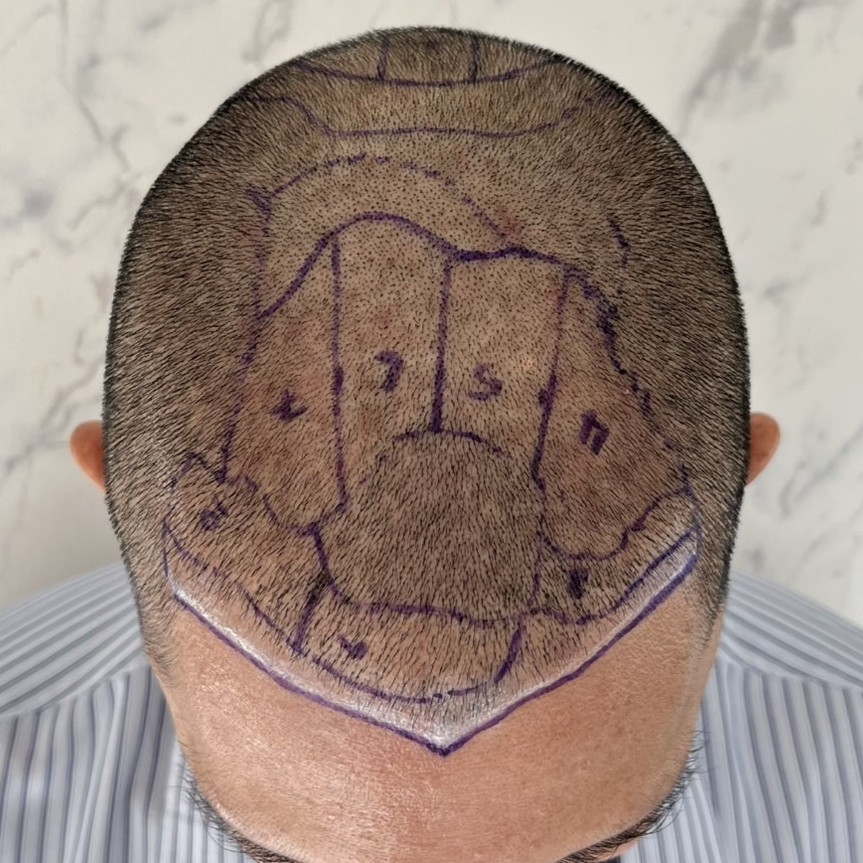
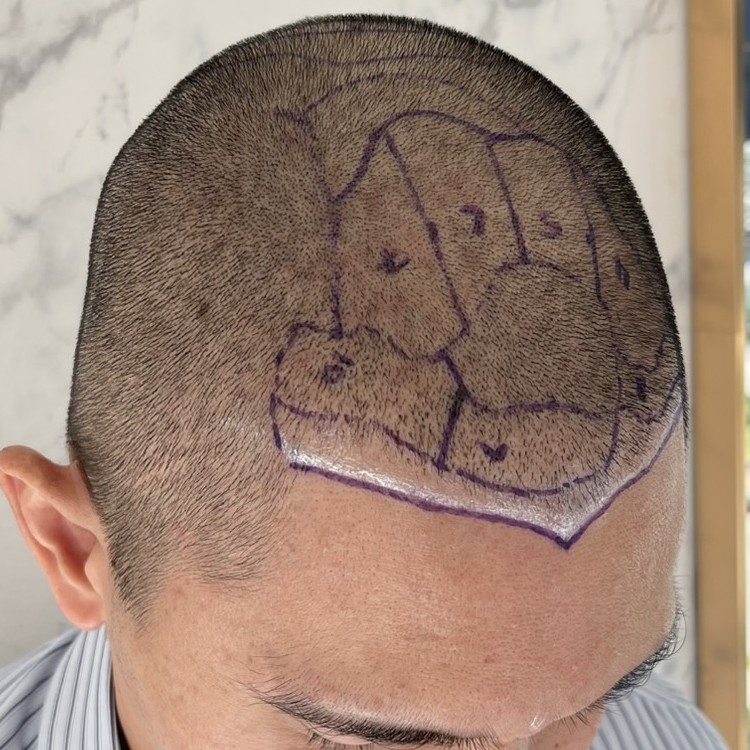
After the microscopic examination, the doctor determined that Khun D had Stage 3 hair loss. The appropriate treatment was hair transplant surgery, using 2,573 grafts.
The hair-follicle health in Khun D’s donor area was strong and dense, so the hair transplant surgery could be performed immediately.
Immediately After Transplant
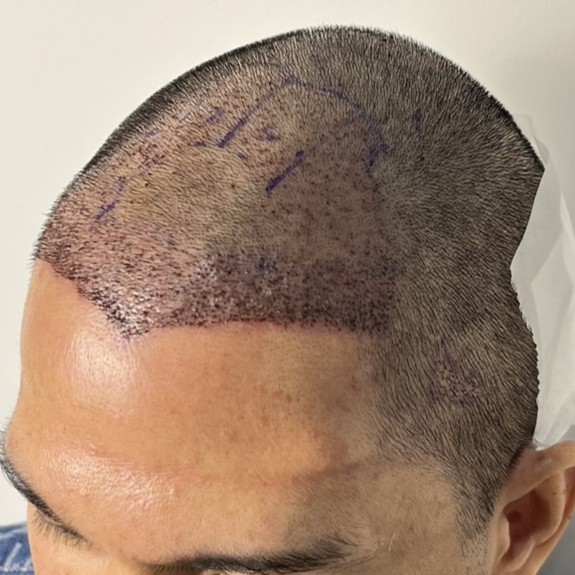
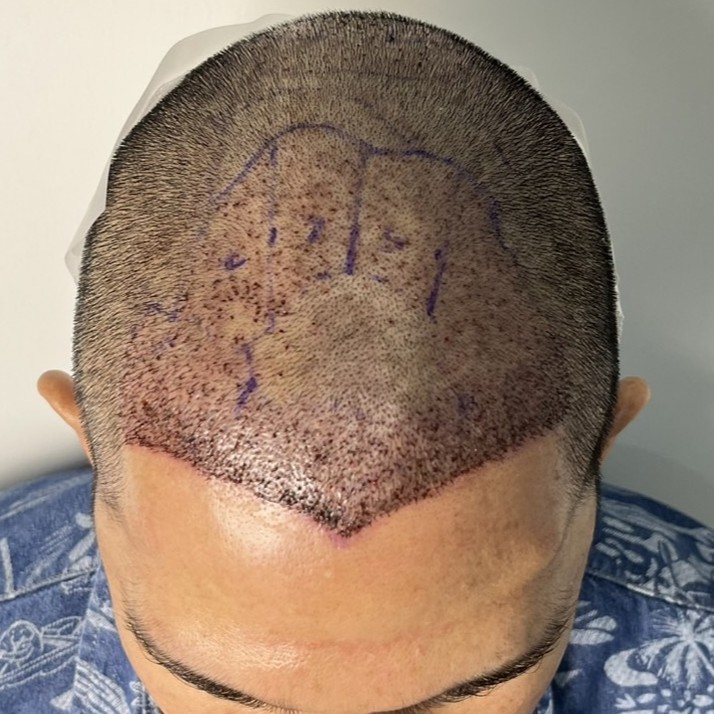
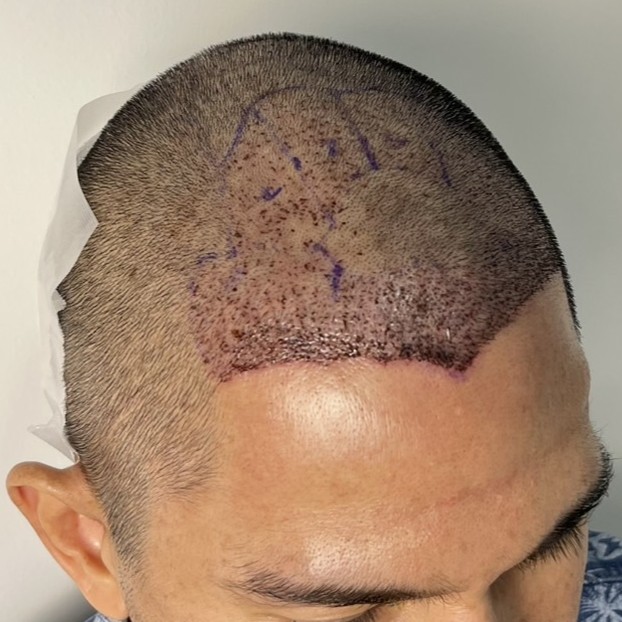
14 Days After Transplant / Microscopic Scan After Transplant
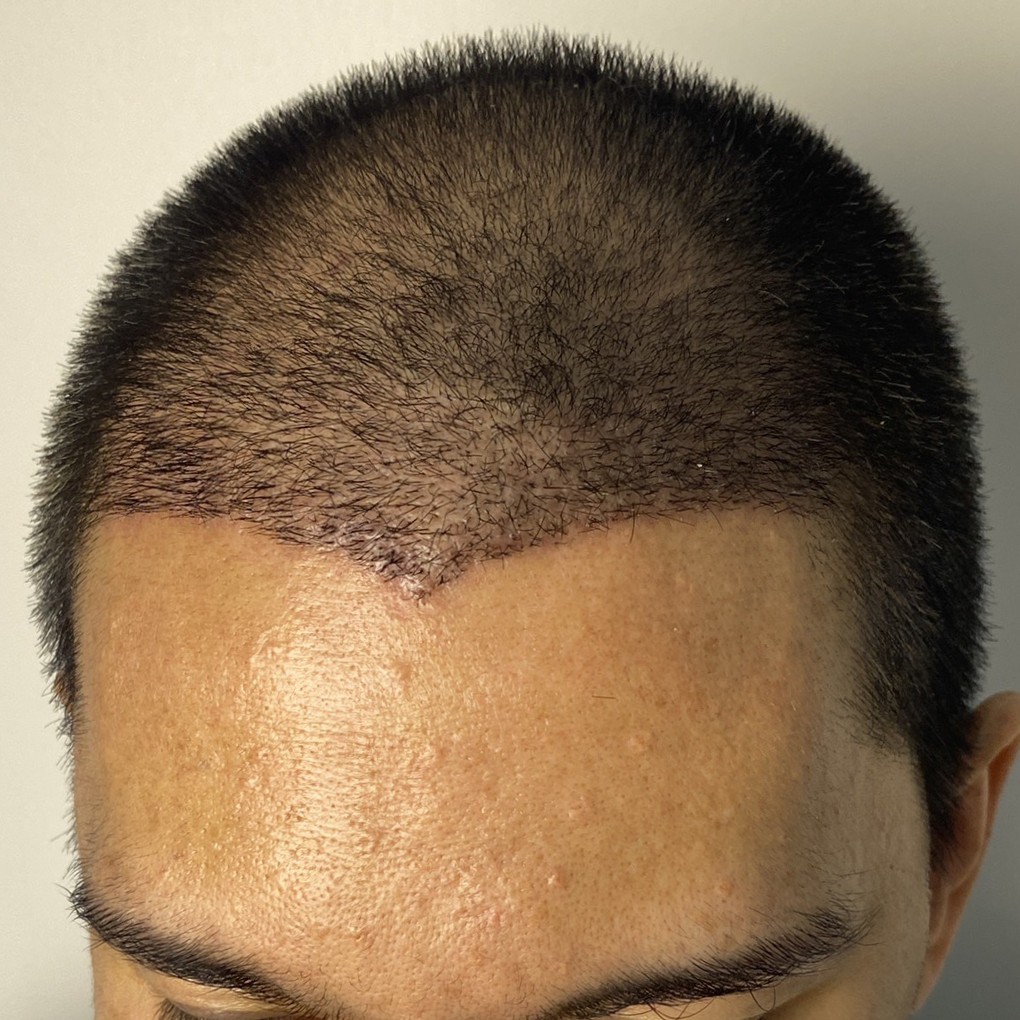
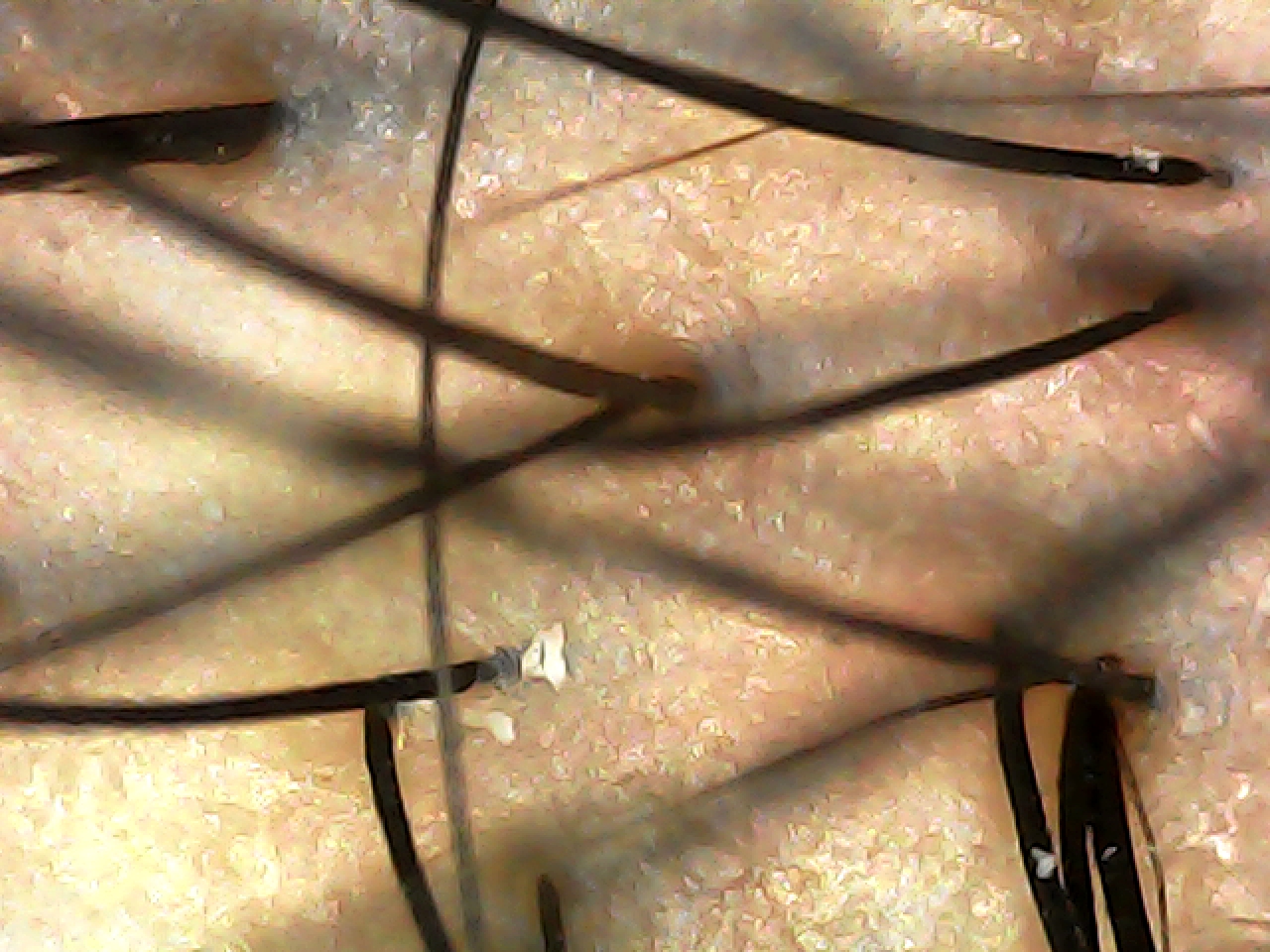
1 Year 1 Month After Transplant
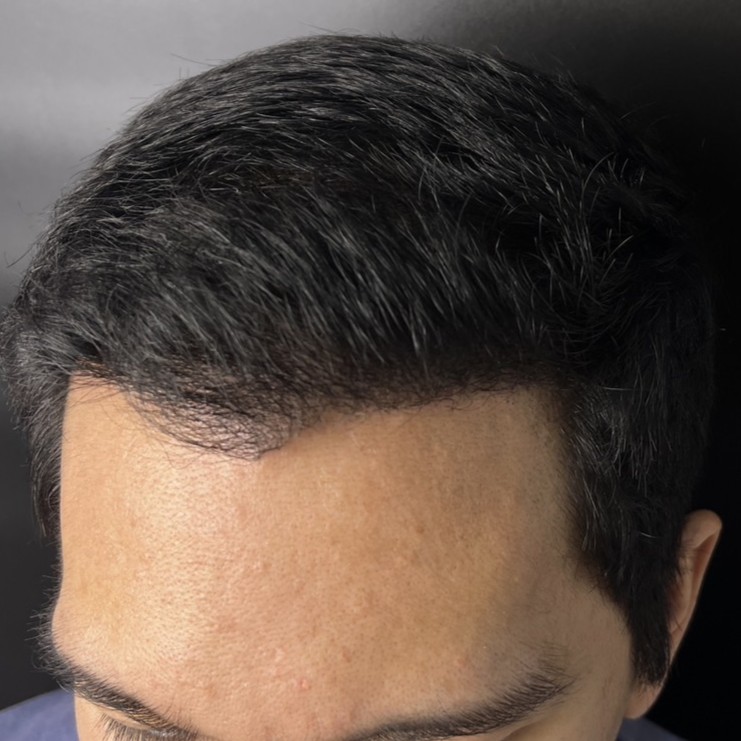
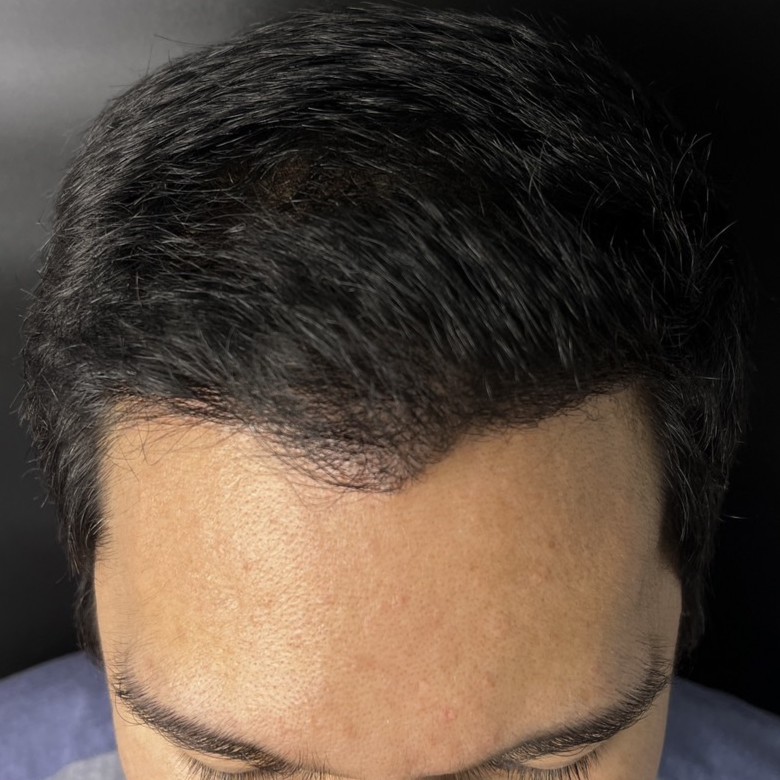
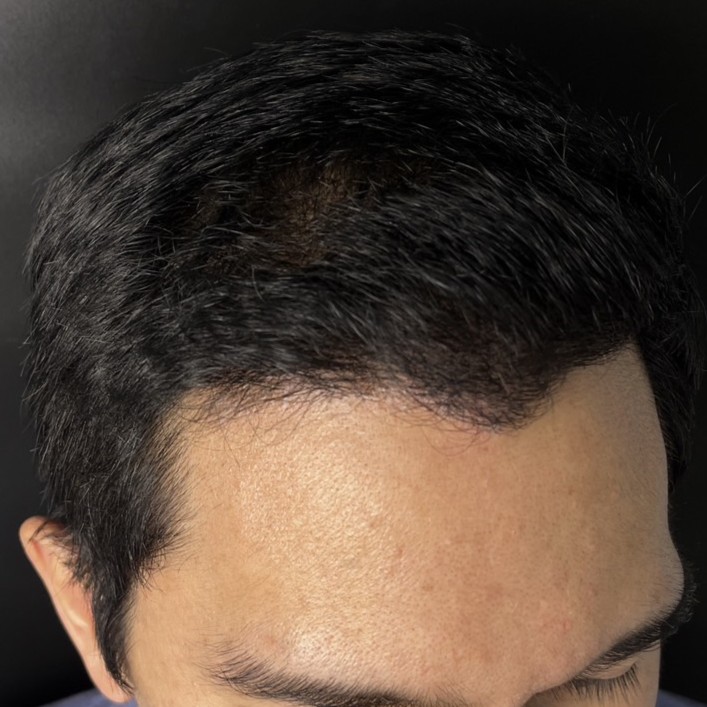
1 year and 1 month after the hair transplant, the new hair was healthy and grew in densely, giving a more clearly defined hairline and allowing the hair to be styled and tied back with confidence.
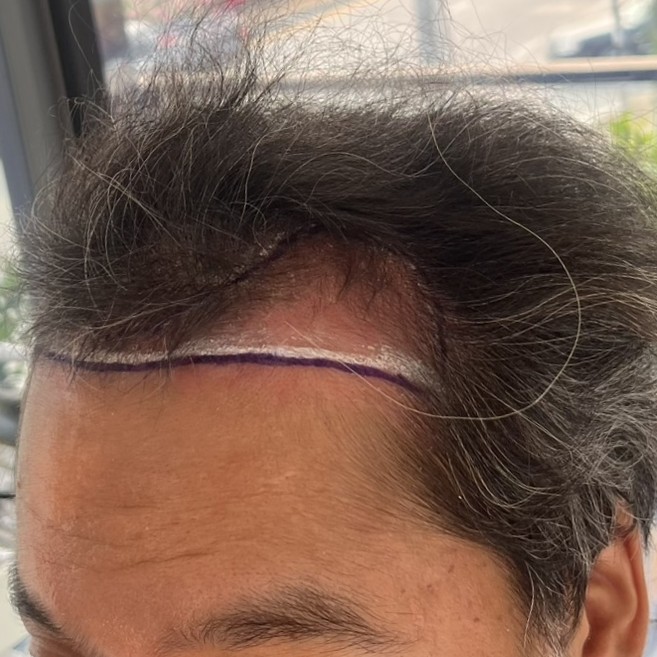
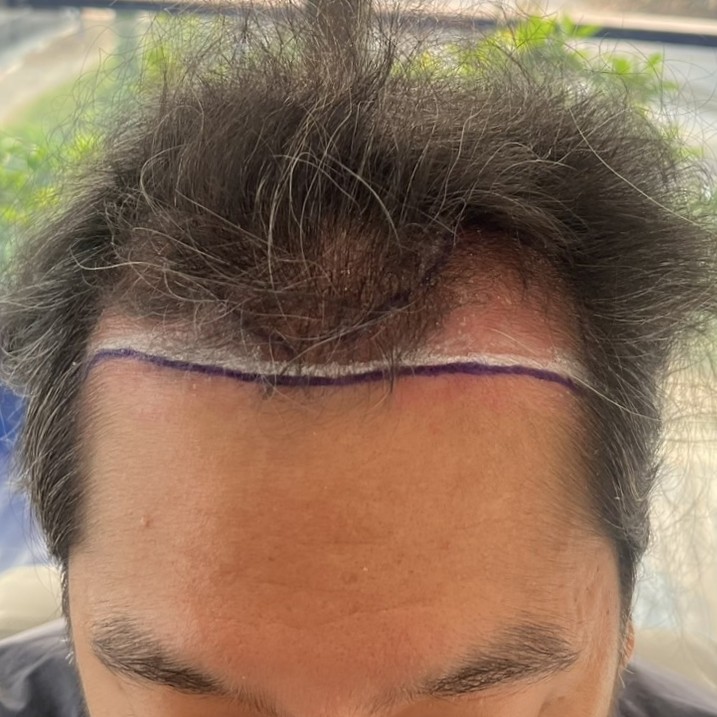
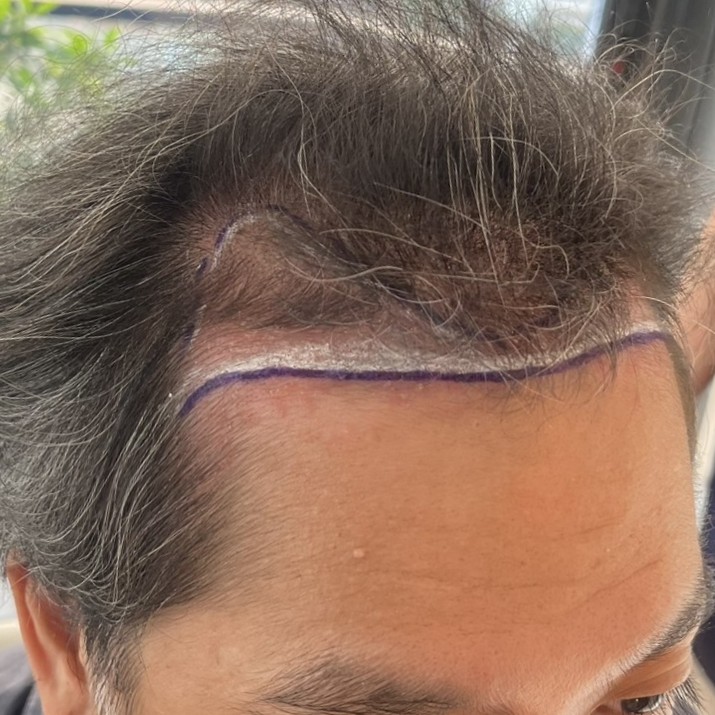
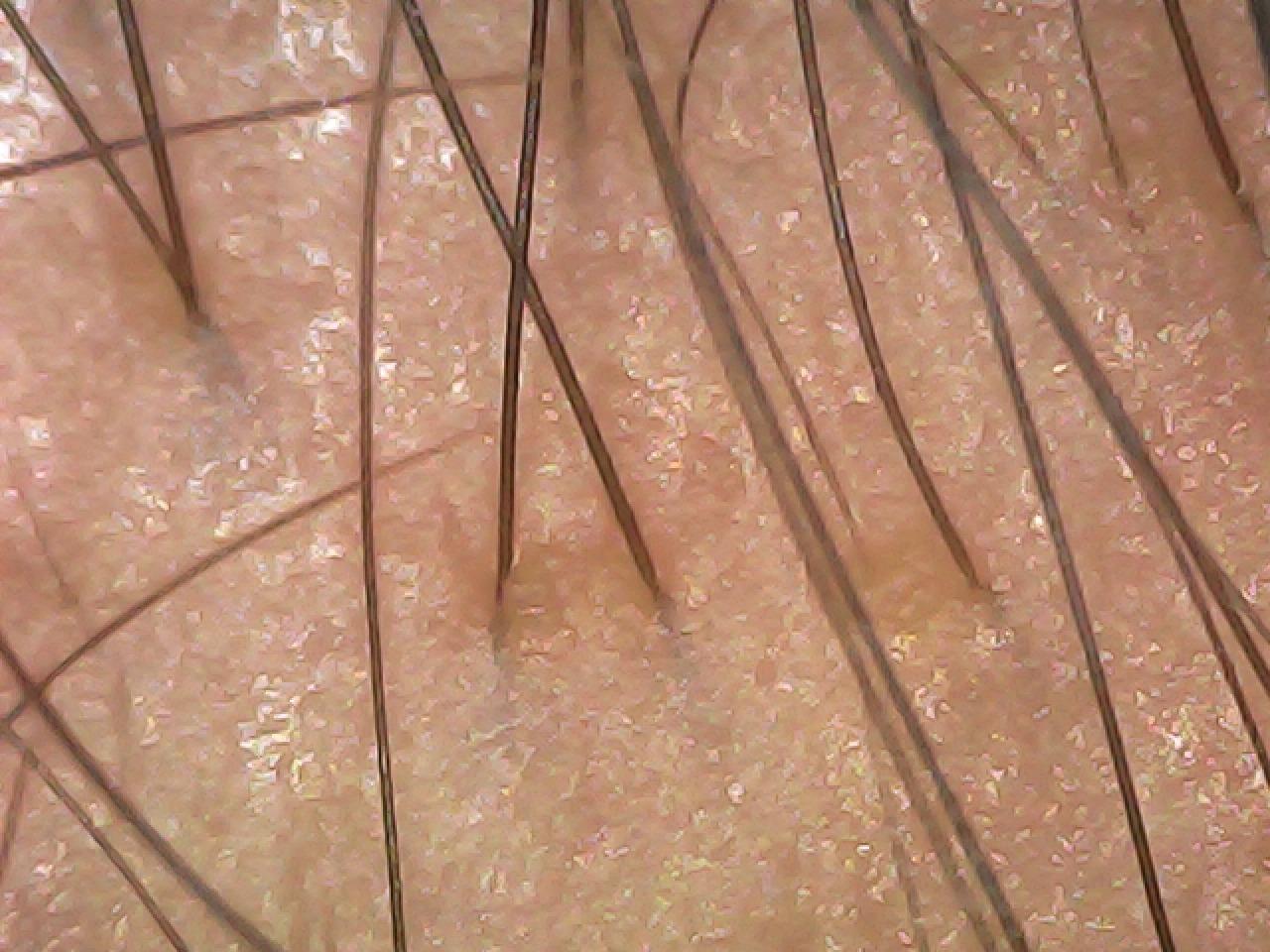
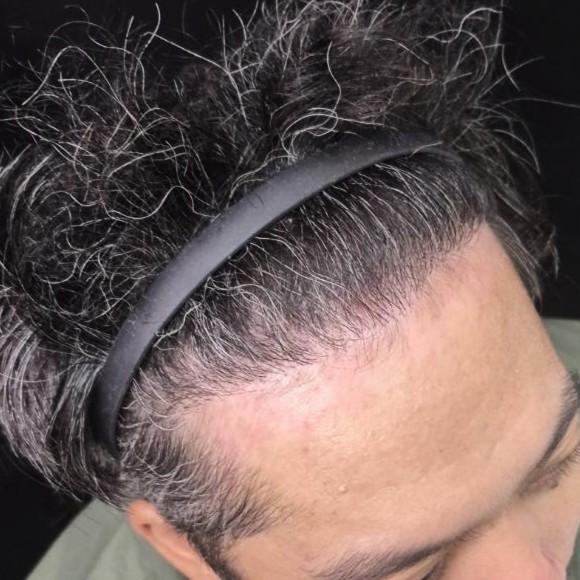
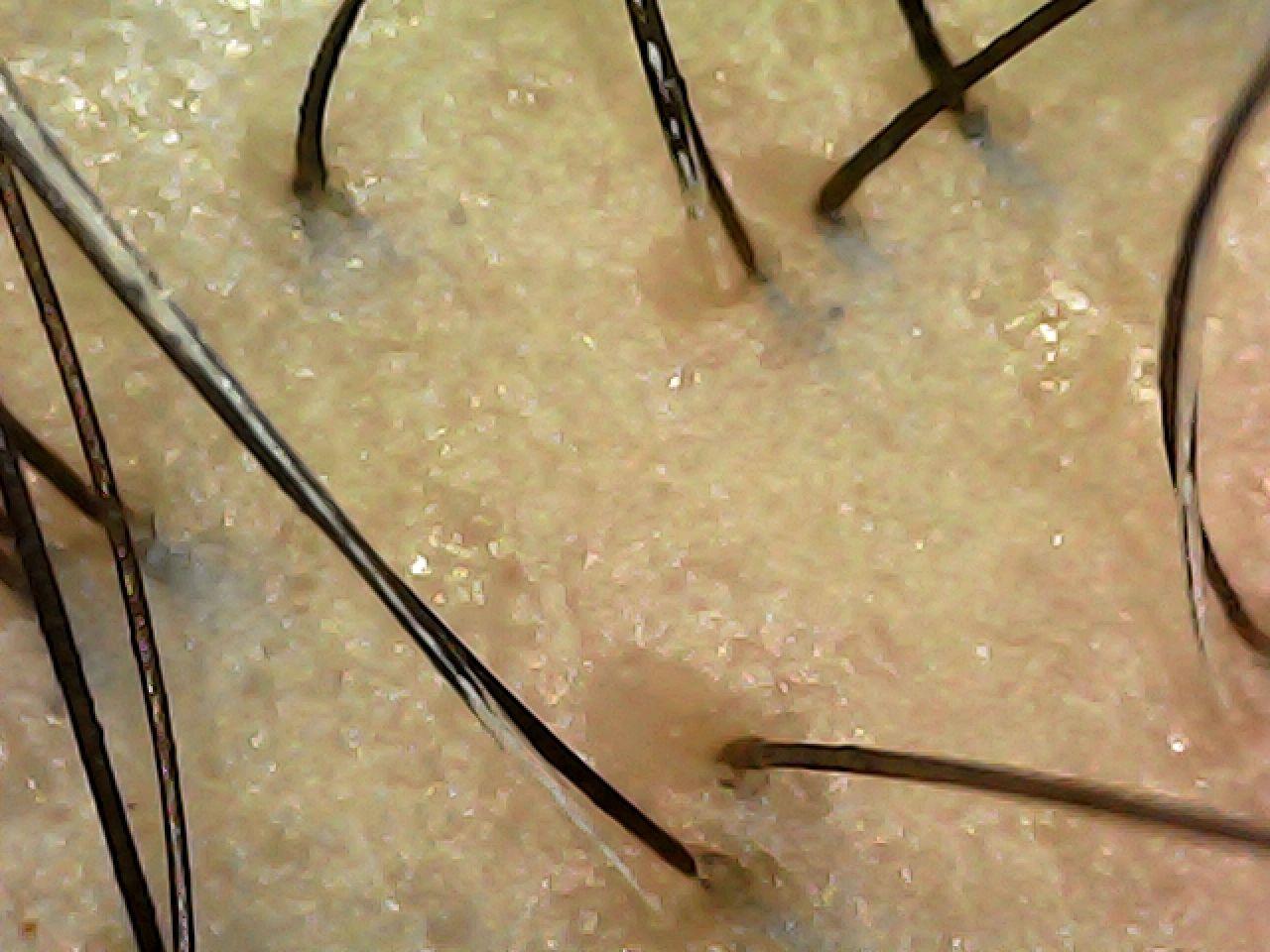
Khun G, aged 32, had an M-shaped receding hairline with high temporal recession on both sides, and came to consult Dr. Peera at MP Clinic Chiang Mai in December 2024. After the visit, the doctor performed a hair-follicle microscopic examination to identify the cause of hair loss and assess its severity before planning the treatment.
Before Transplant
Microscopic Scan Before Transplant
Transplant Day
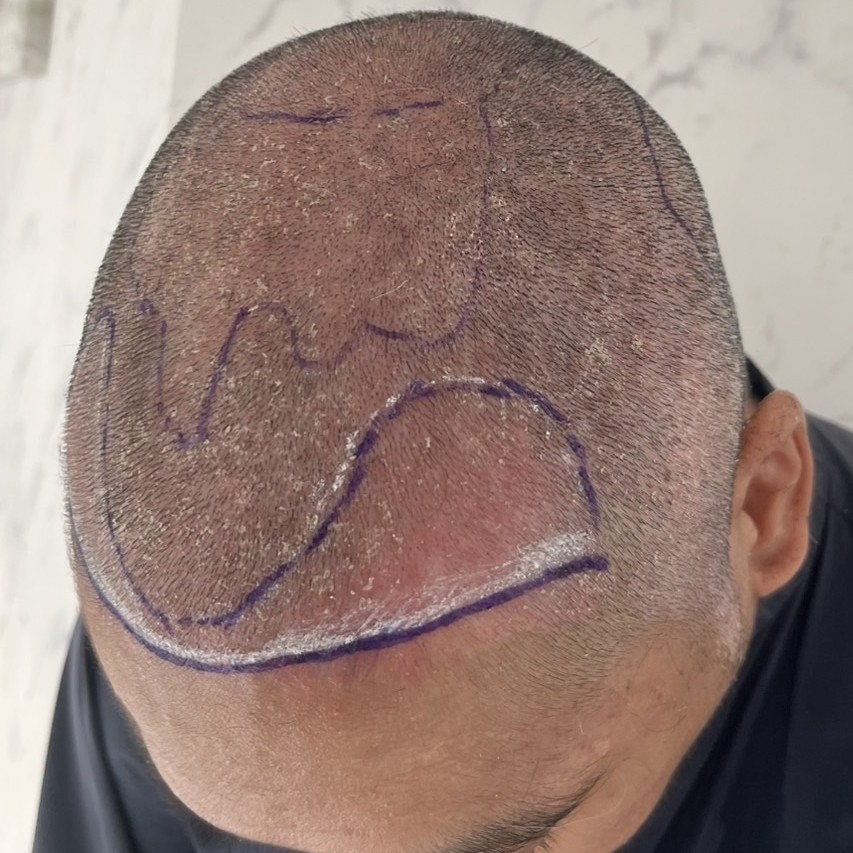
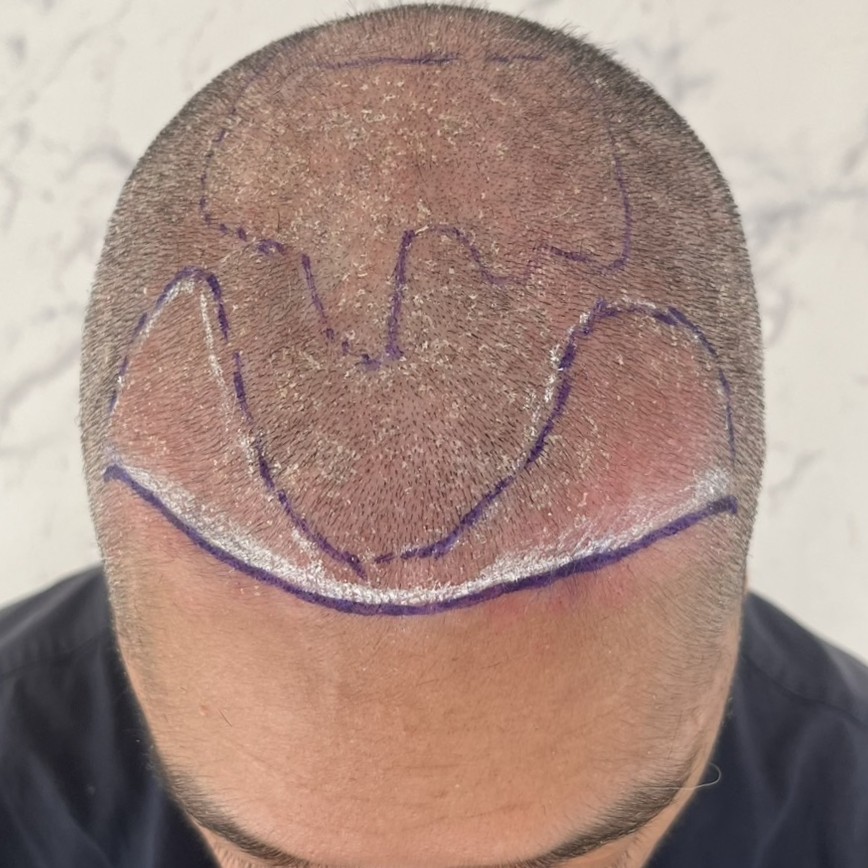
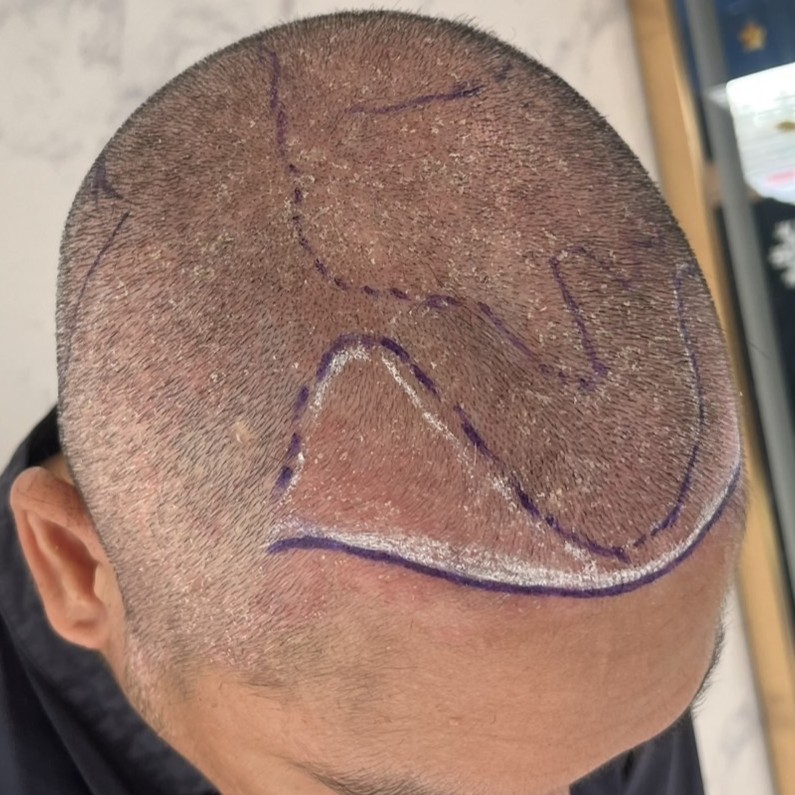
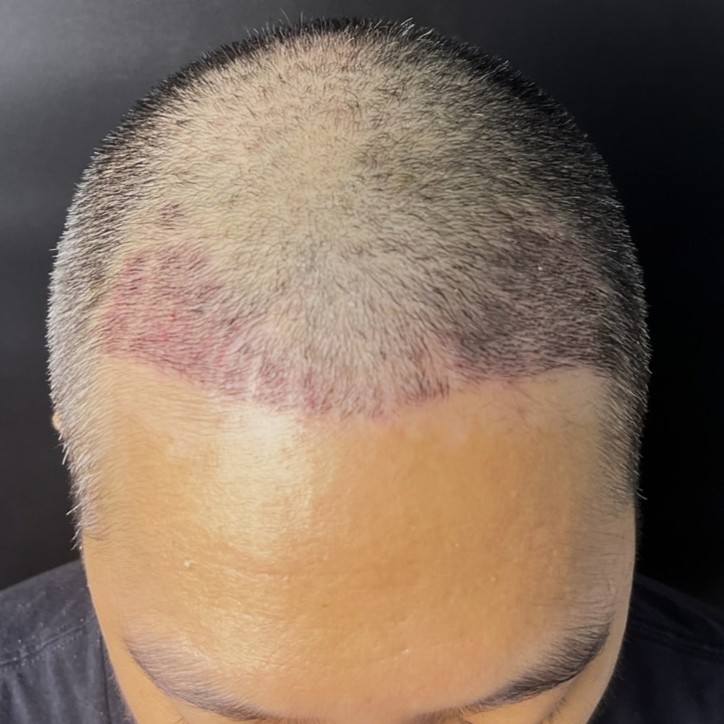
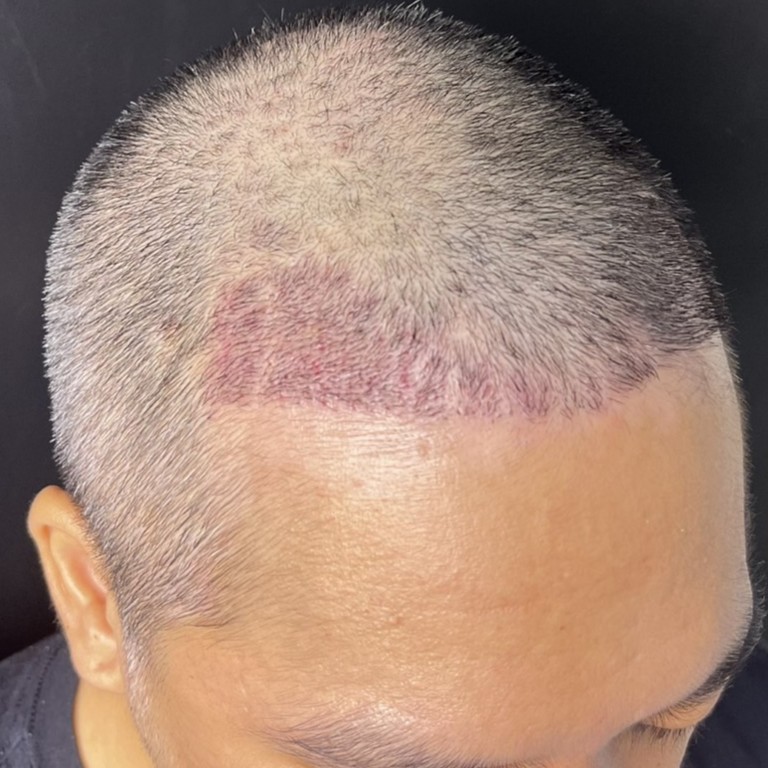
After the microscopic examination, the doctor determined that Khun G had Stage 3 hair loss. The appropriate treatment was hair transplant surgery, using 2,283 grafts. The doctor scheduled the transplant for March 2025. The hair-follicle health in Khun G’s donor area was strong and dense, so the surgery could be performed immediately.
14 Days After Transplant
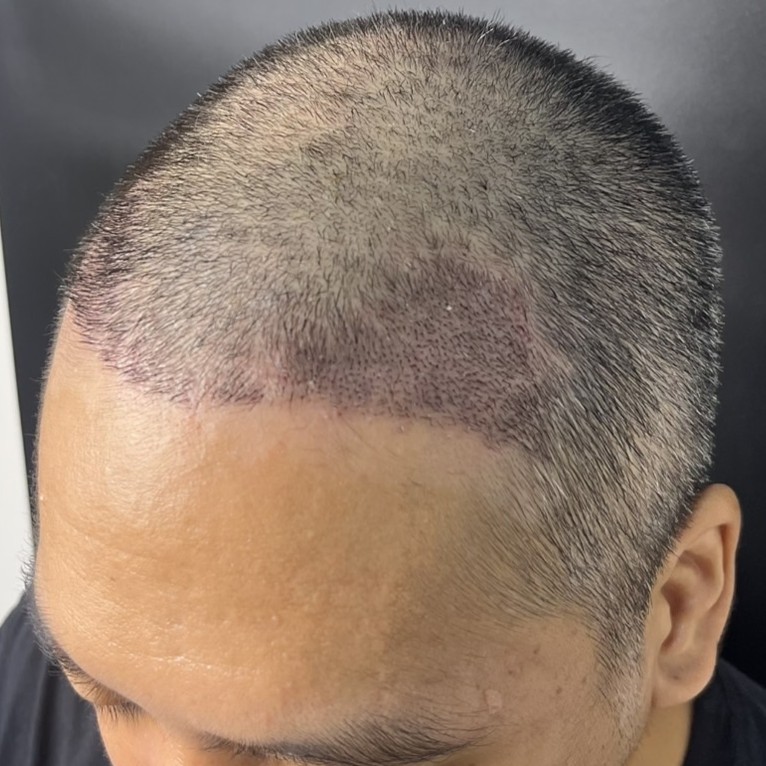
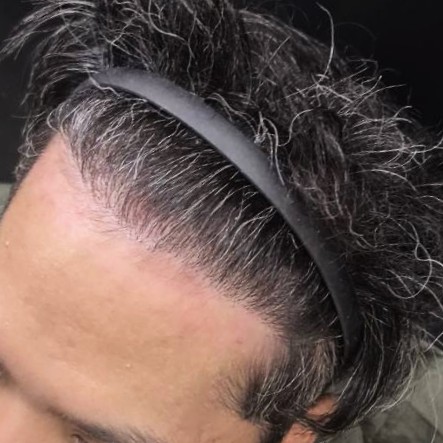
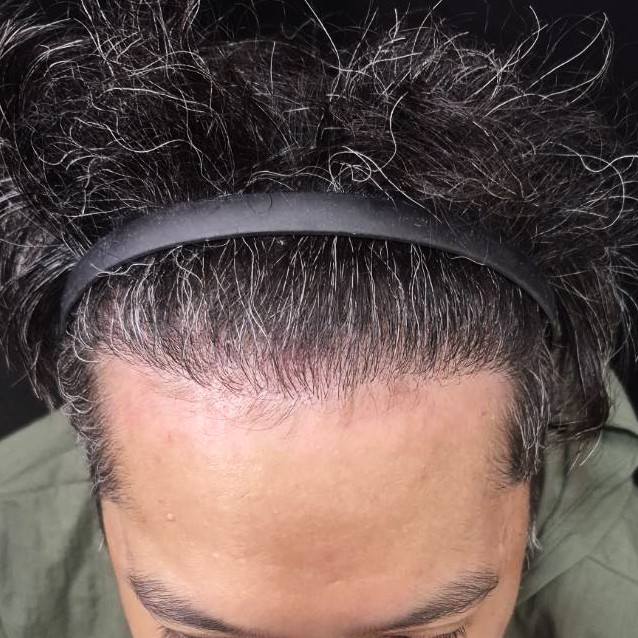
1 Year 1 Month After Transplant
Microscopic Scan After Transplant
1 year and 1 month after the hair transplant, the new hair was healthy and grew in densely, giving a more clearly defined hairline and allowing the hair to be styled and tied back with confidence.
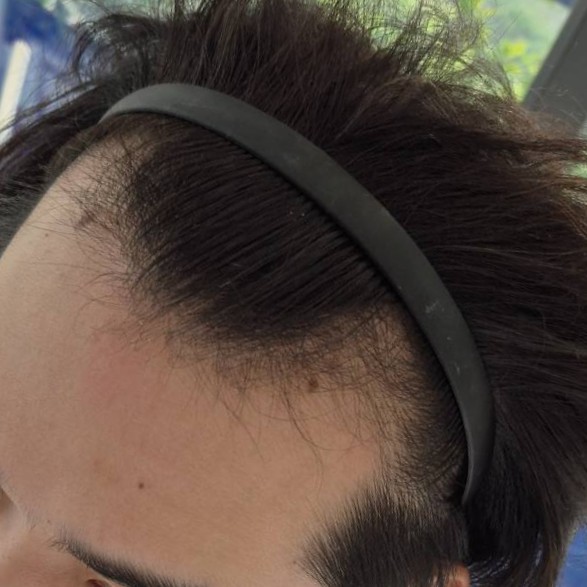
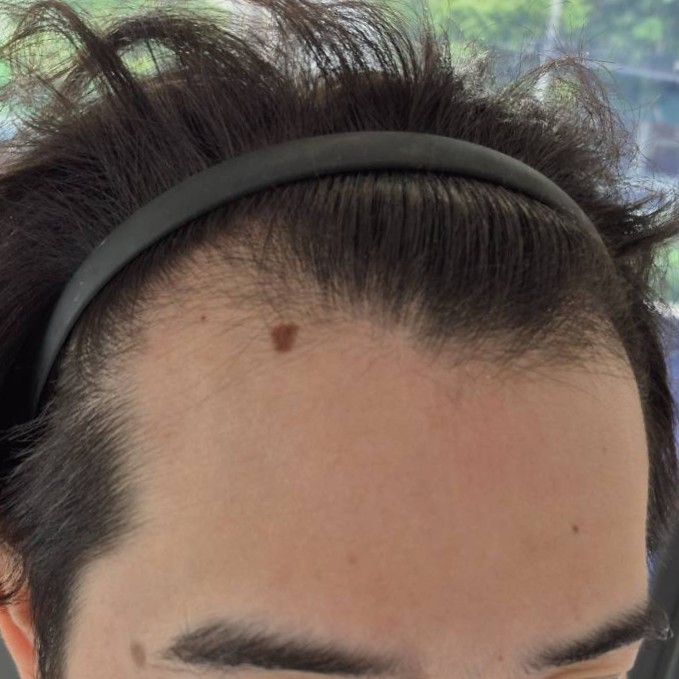
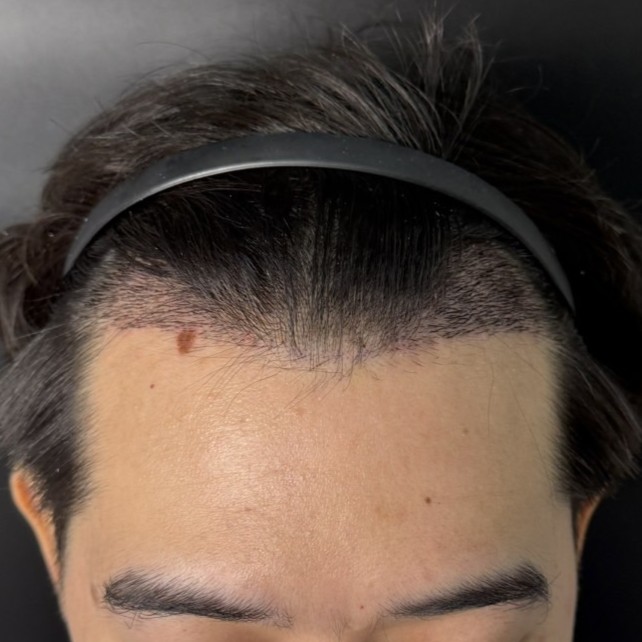
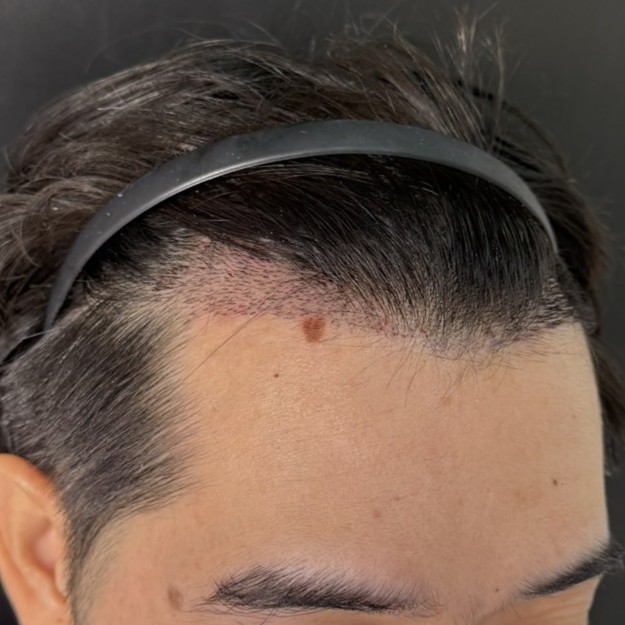
Khun B, aged 33, had an M-shaped receding hairline with high temporal recession on both sides, and came to consult Dr. Peera at MP Clinic Chiang Mai in April 2025. After the visit, the doctor performed a hair-follicle microscopic examination to identify the cause of hair loss and assess its severity before planning the treatment.
Before Transplant
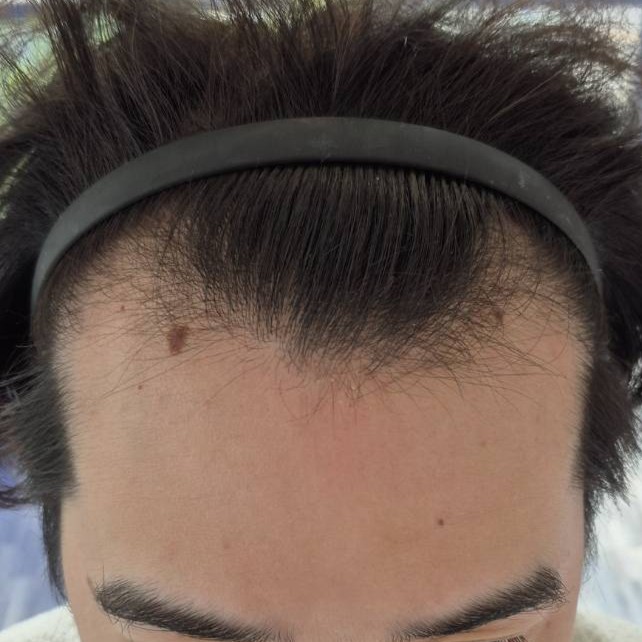
Transplant Day
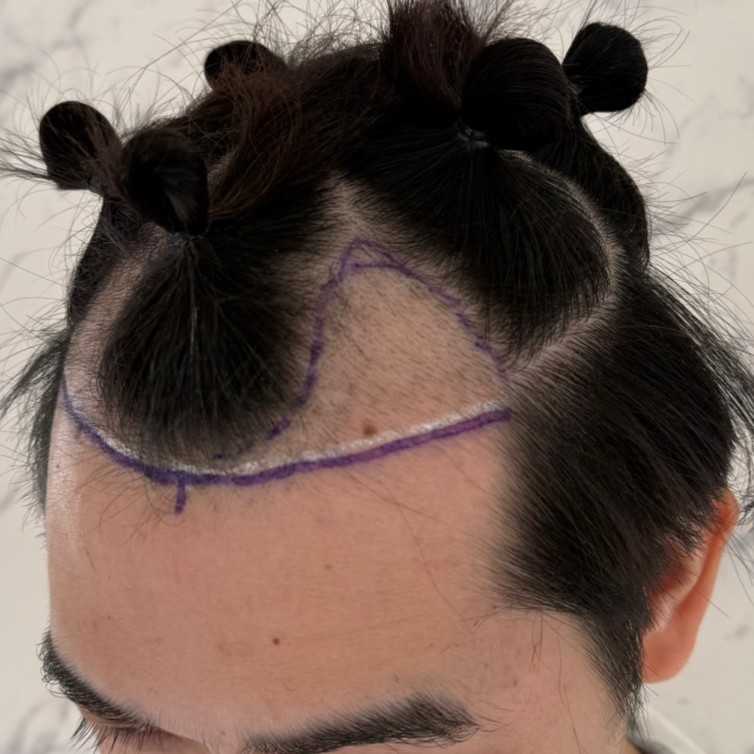
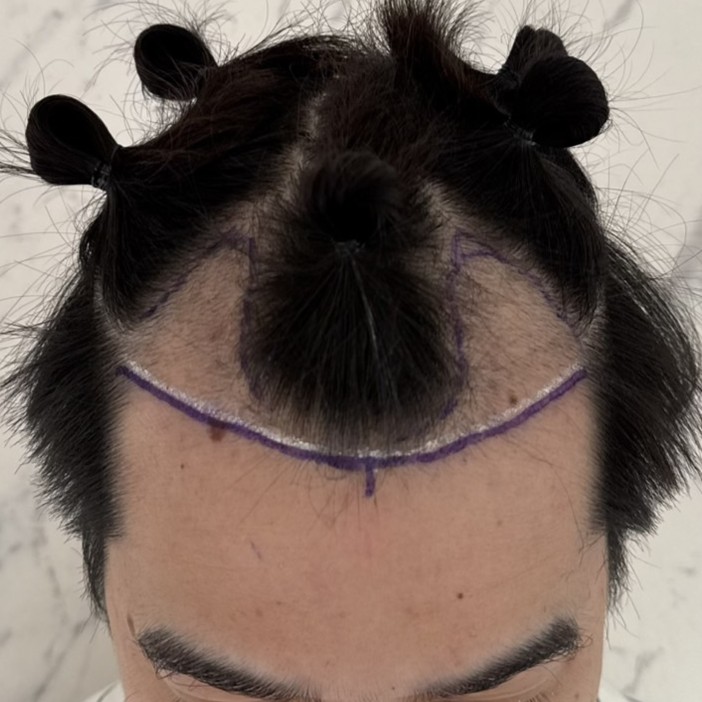
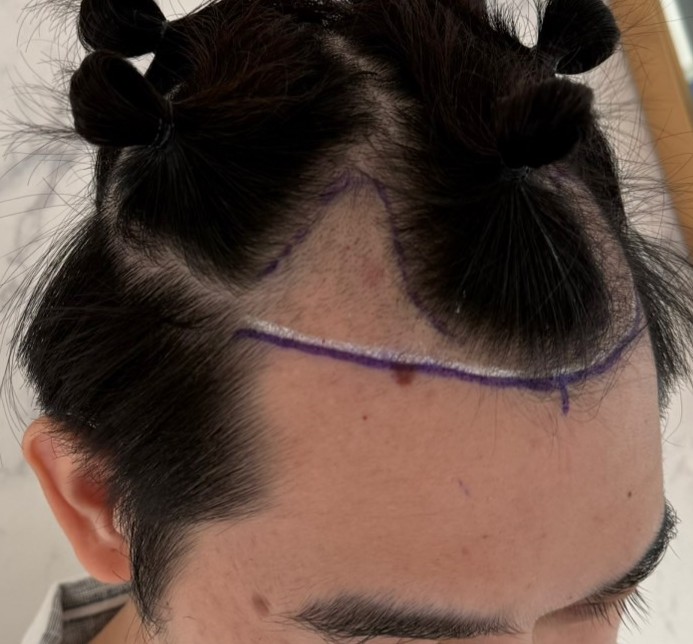
After the microscopic examination, the doctor determined that Khun B had Stage 3 hair loss. The appropriate treatment was hair transplant surgery, using 1,696 grafts.
The hair-follicle health in Khun B’s donor area was strong and dense, so the hair transplant surgery could be performed immediately.
Immediately After Transplant
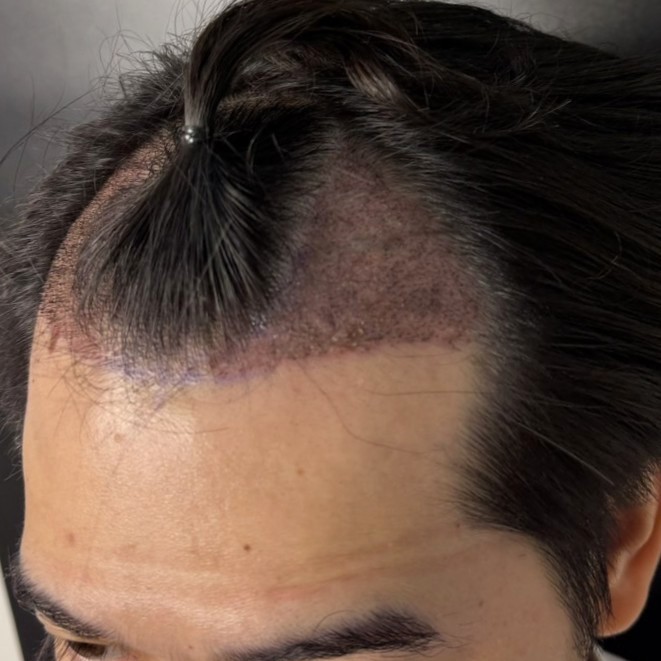
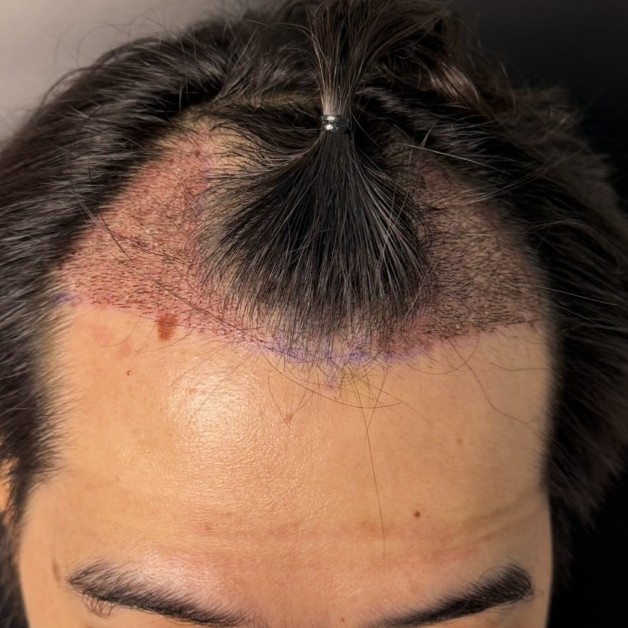
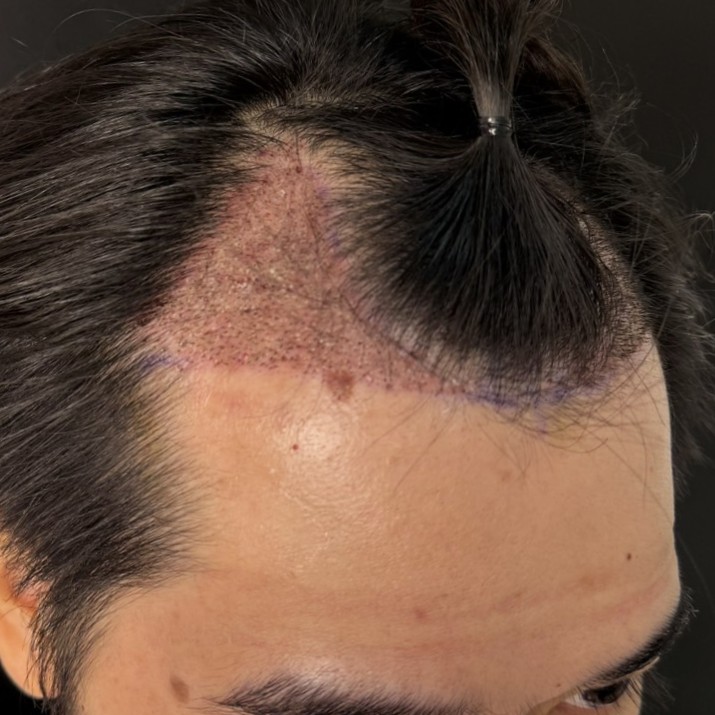
14 Days After Transplant
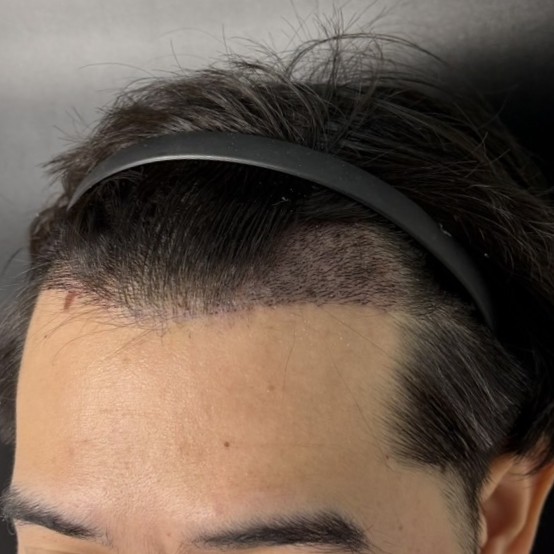
1 Year After Transplant
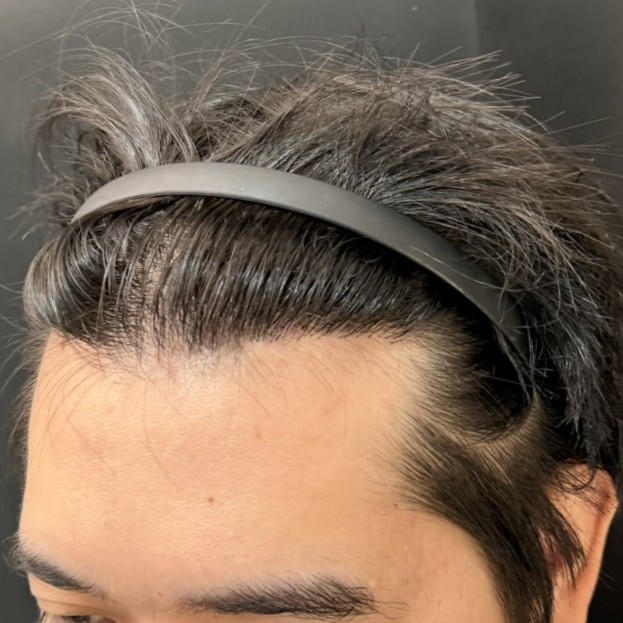
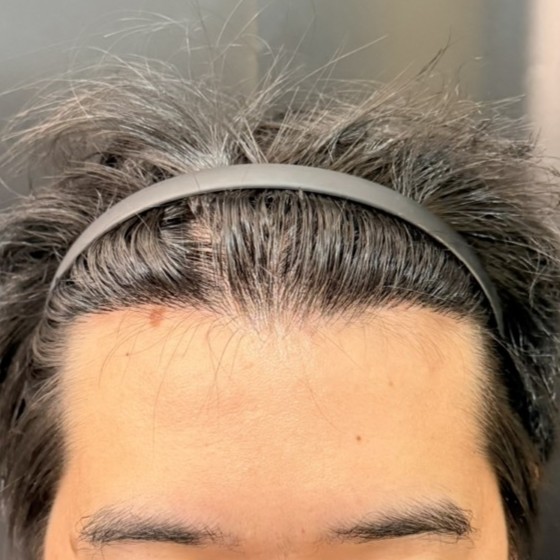
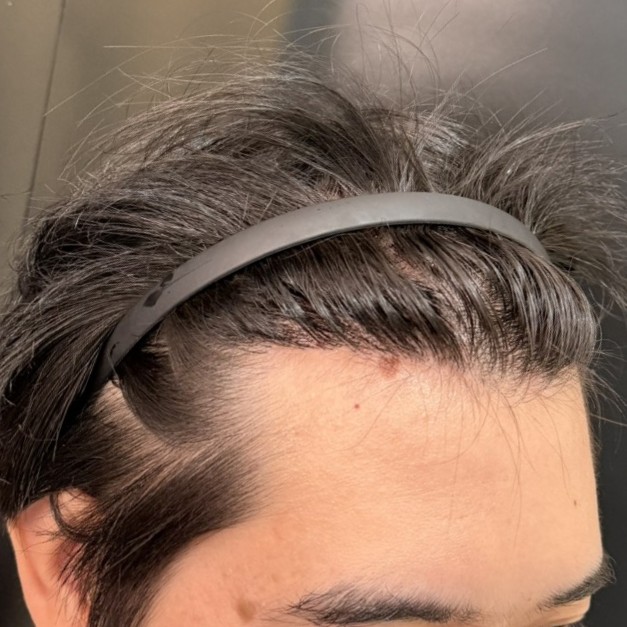
1 year after the hair transplant, the new hair was healthy and grew in densely, giving a more clearly defined hairline and allowing the hair to be styled and tied back with confidence.
Take for example an interesting hair transplant case. To see treatment planning guidelines for people with severe baldness problems.
The day before planting
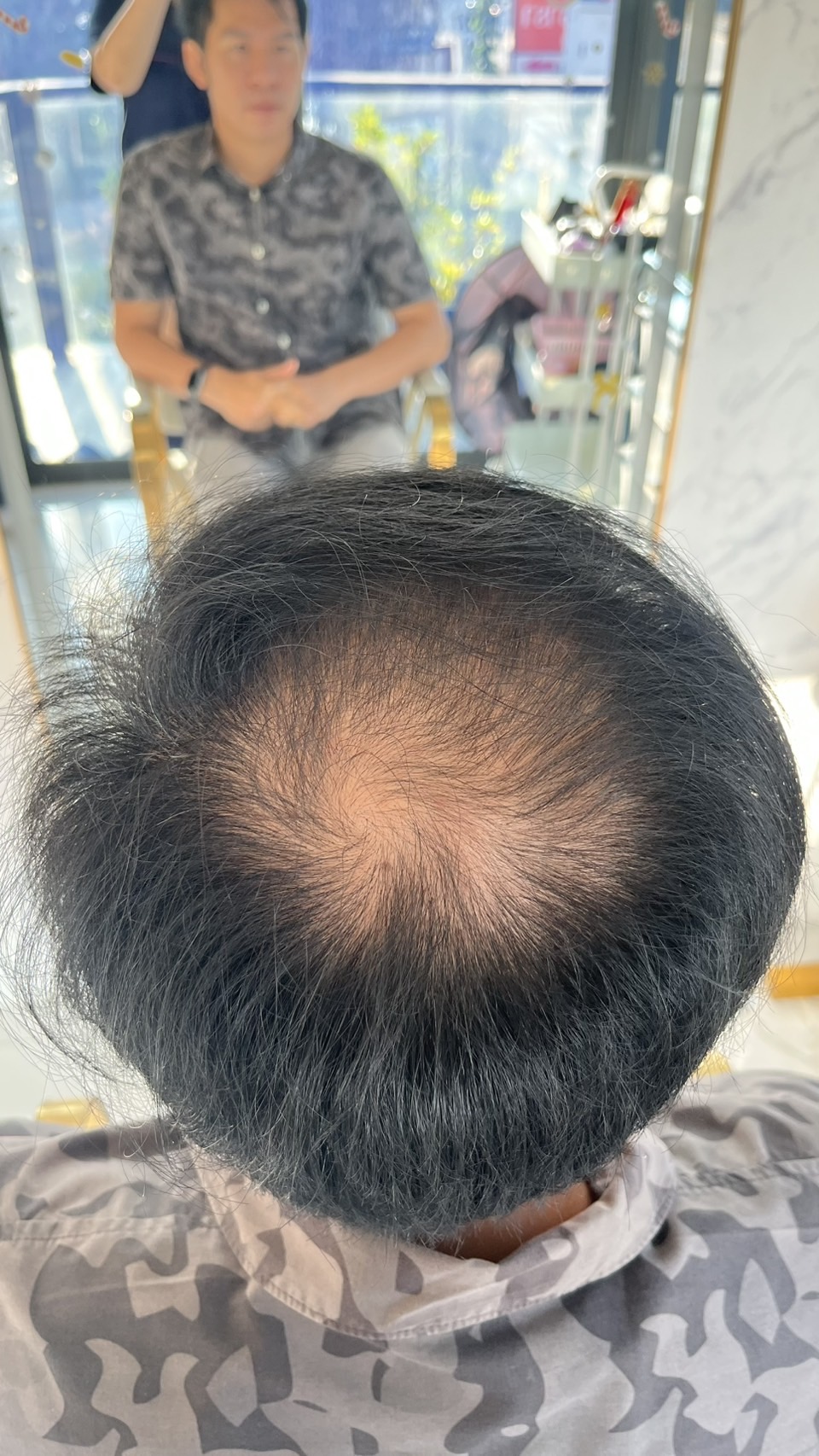
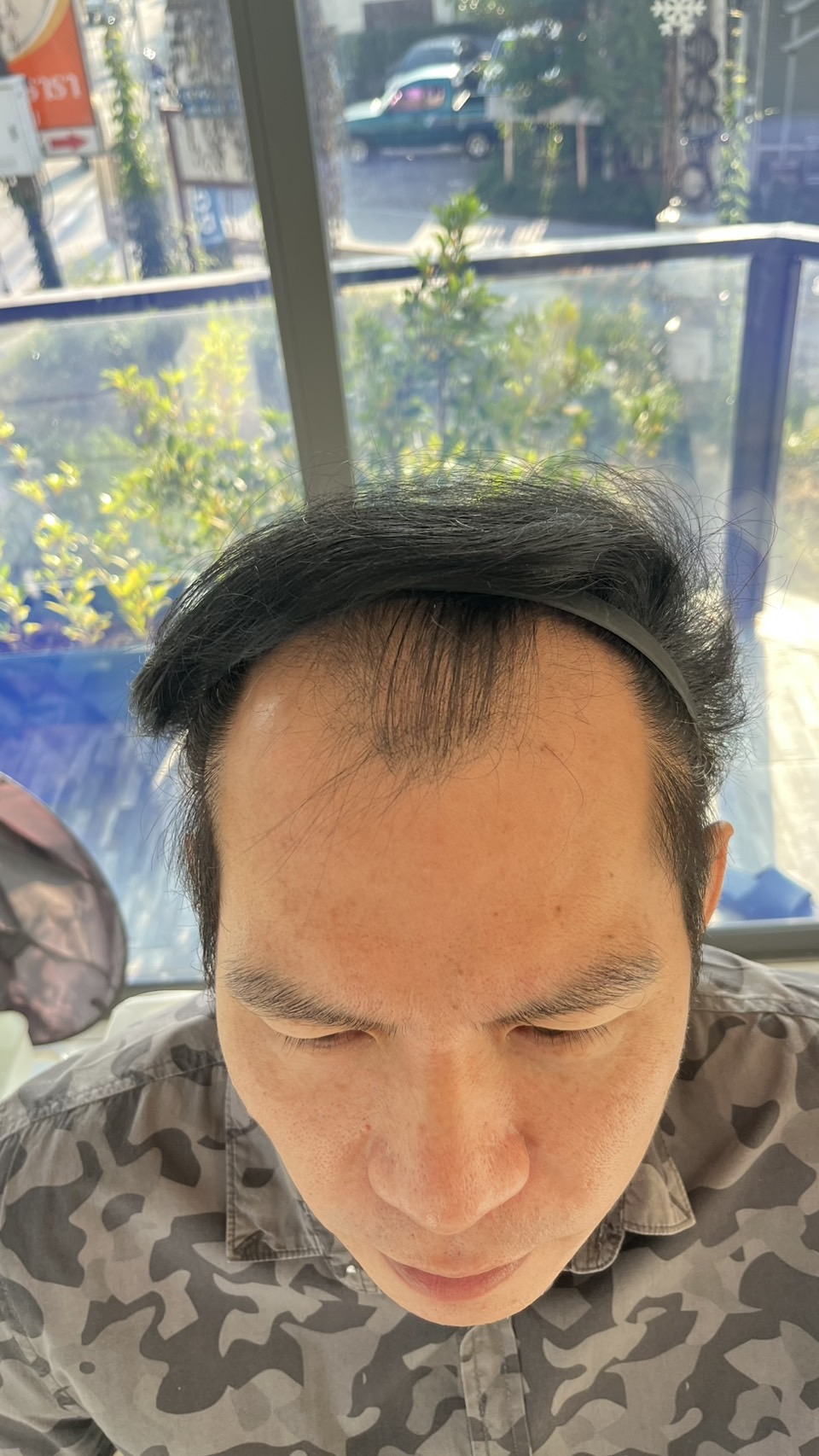
Basic patient information
Male patient, Thai nationality, has problems with thinning hair and baldness. The assessment was at level 5 according to the Norwood-Hamilton Scale, which is considered to be quite severe. There is clearly some hair in the area.
- Mf (Mid Frontal) : middle of the front of the head.
- Vx (Vertex) : Khwan area
From the assessment of the entire area If you want to plant densely throughout the area As many as approximately 5,000 grafts may be needed, which is even theoretically achievable. But in practice, the amount of graft that can be harvested from the occipital area (Donor Area) may not be enough. This type of case is therefore classified as an Advanced Hair Transplant case or a highly complex hair transplant case.
The key to treatment is “Creating balance (Balance)” between
- Quantity of grafts that can actually be stored
- Area and location where you want to plant
Evaluation of hair roots before surgery
On the day of the hair transplant, the condition of the hair roots in the occipital area was examined using a magnifying glass. It was found that the hair roots were strong. Even if the patient has never used hair growth medicine before.
However, not all patients have such healthy occipital hair follicles. In some cases, the hair is thin or has low density. Minoxidil may be needed to stimulate and nourish the hair follicles before surgery.
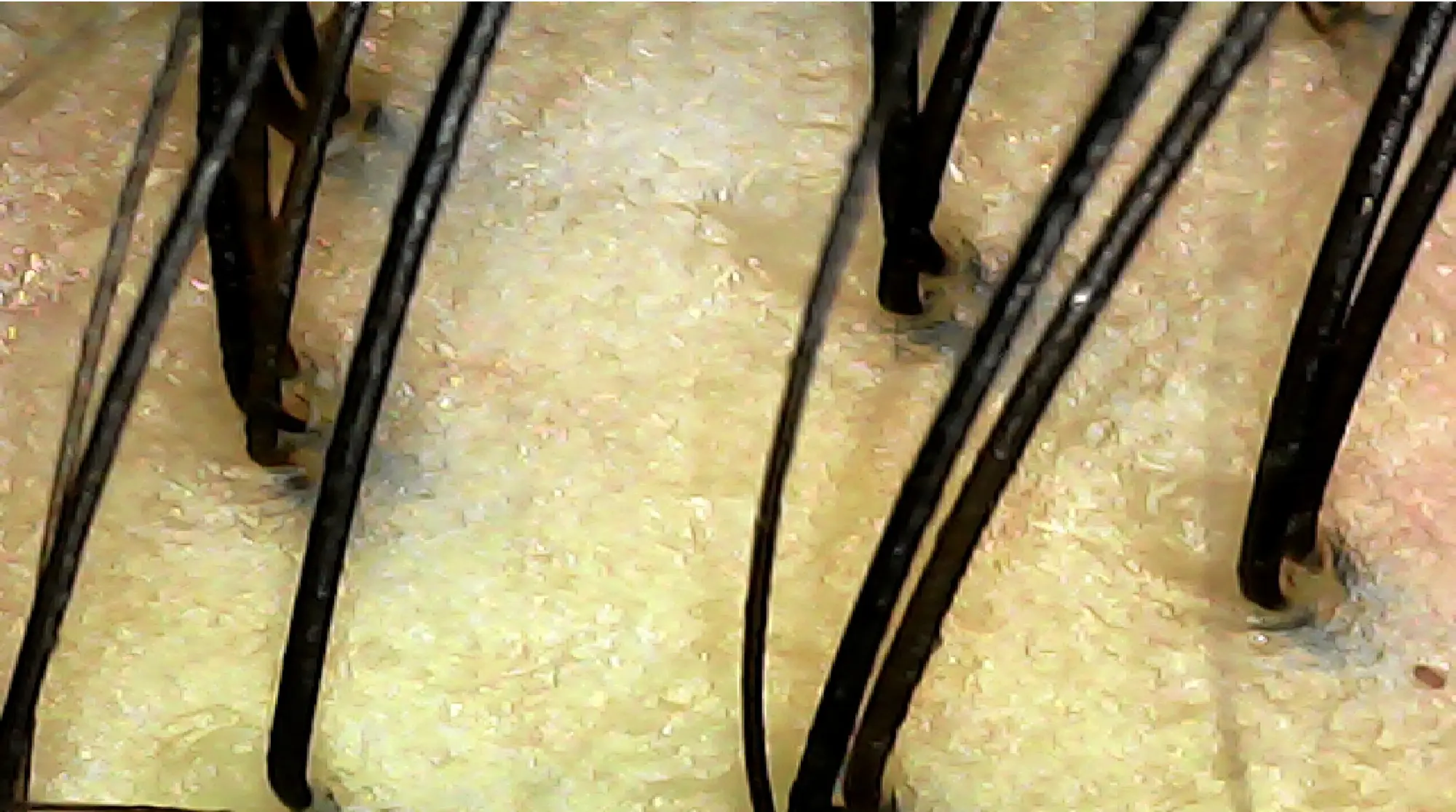
Hair transplant planning: prioritizing areas
This patient has problems covering 4 main areas:- Front (Lt / Mf / Rt)
- middle of head
- Kwan (Vx)
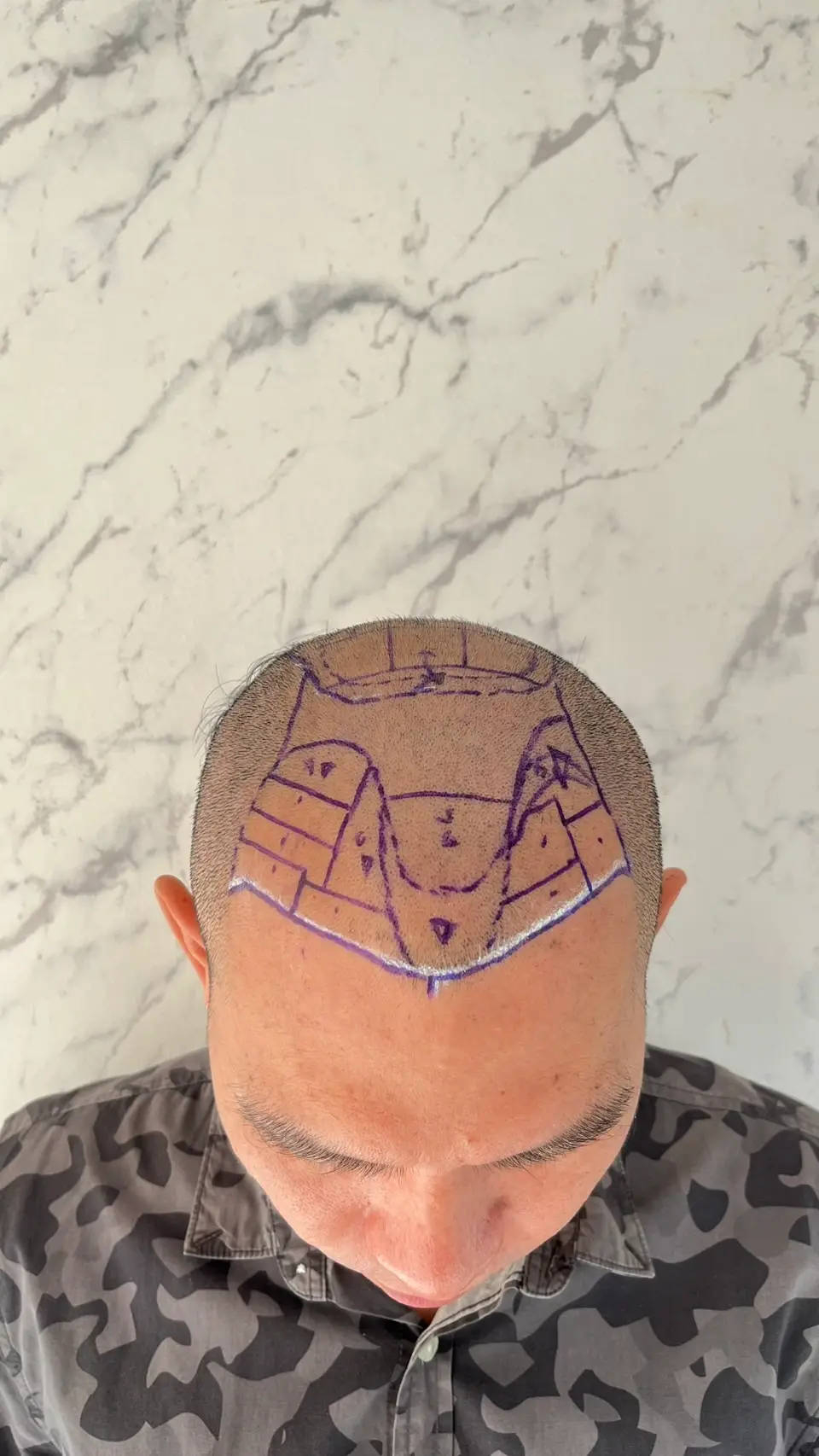
1. Front hairline area (Lt / Mf / Rt)
Plant with a density of approximately 50 grafts/sq.cm. to create a sharp facial frame Makes it possible to style your hair with confidence and does not look as thin as before planting
2. Middle area of the head and morale (Mid Mf & Vx)
Planted with a density of approximately 30 grafts/sq.cm. To have evenly covered hair Although not as dense as the front But it still looks natural. In this area, the patient still has the original hair roots remaining. It’s just thinner from genetics. Therefore, use hair growth medicine continuously after surgery. It will help restore and increase the density of the original hair.Post-transplant care on the 10th day after transplantation

It’s a time to take off scales. Before entering the hair transplant phase, Shock Loss may occur, which is a normal process.
In this phase, the clinic will- Prepare hair growth medicine for continuous use
- Schedule PRP (Platelet-Rich Plasma) injections periodically to stimulate hair follicle recovery.
Results after 1 year


At the end of 1 year after the hair transplant, it was found that
- The facial frame is clearly sharper.
- Can style hair easily
- The middle area of the head is dense. Even if planted at a density that is not very high
Part of the good results from regular use of medicine Especially DHT Blocker drugs, which play an important role in maintaining both transplanted and existing hair
Conclusion
People with severe baldness, such as levels 5–6–7 according to the Norwood-Hamilton Scale, can still receive treatment and grow hair.
However, this type of case requires- detailed planning
- Understanding the limitations of graft volume
- Cooperation in post-planting care and continued use of medicines
When doctors and patients work together properly It can create natural results. and increase patient confidence with maximum efficiency
Mr. T had concerns about a receding hairline on both sides of his forehead, forming an M-shaped pattern, along with thinning hair around the frontal hairline that appeared uneven. He decided to consult Dr. Peera at MP Clinic Chiang Mai in April 2025.
During the consultation, Dr. Peera performed a detailed scalp and hair follicle examination using a specialized scope to identify the cause of hair loss. He also assessed the severity of the condition before planning the most suitable treatment.
Before the hair transplant
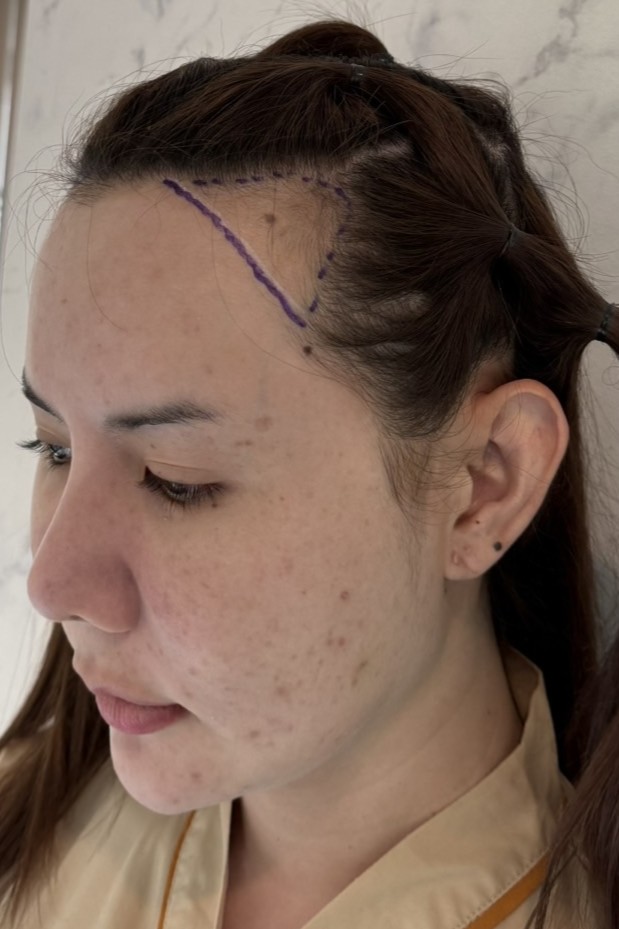
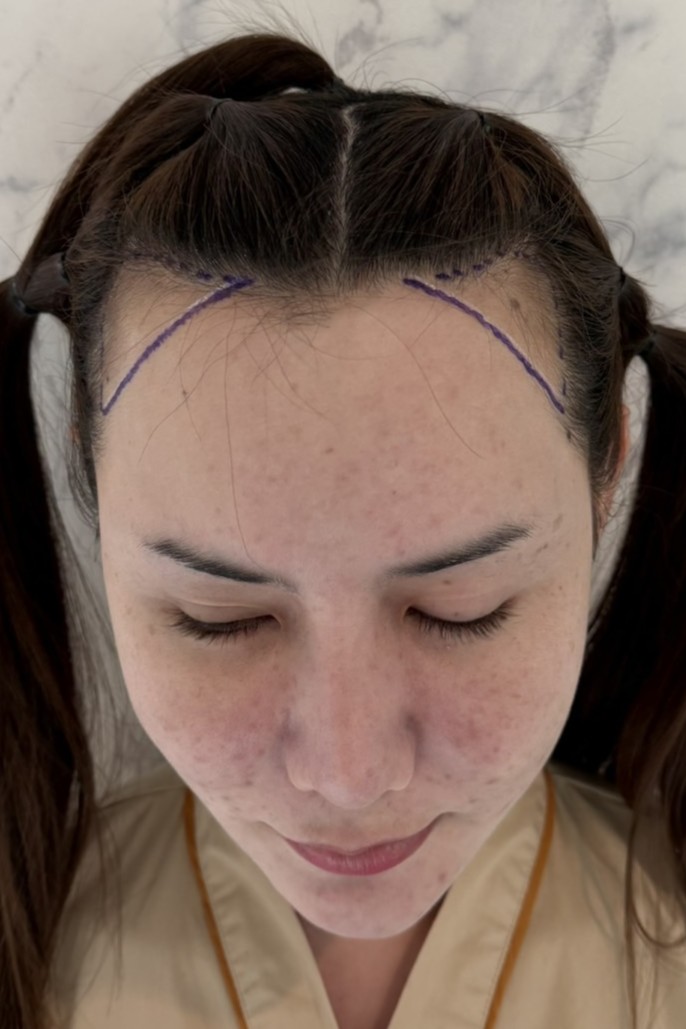
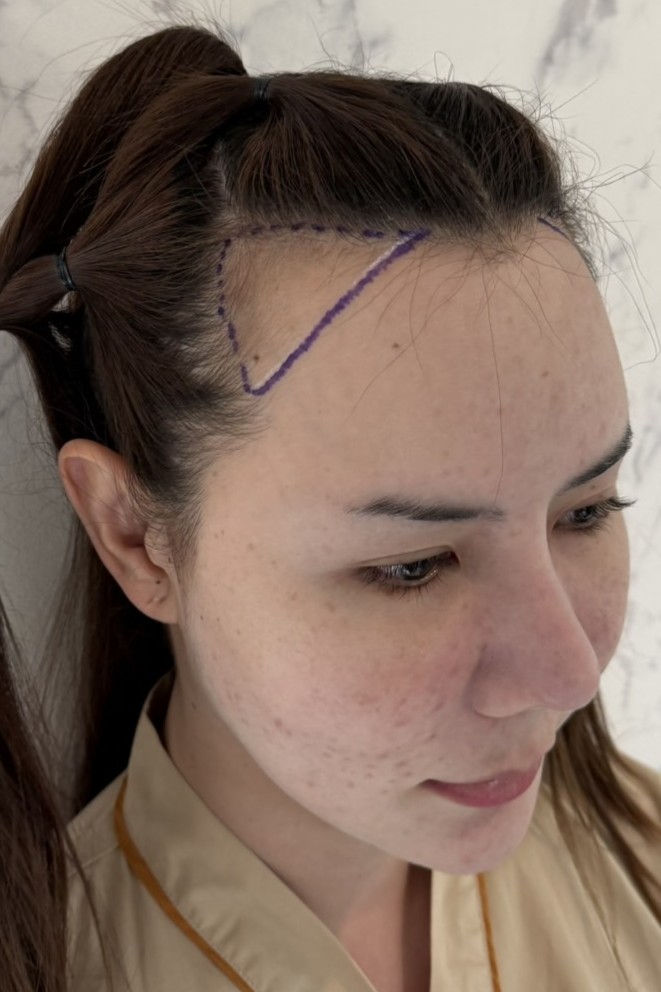
The doctor scheduled my hair transplant for May 2025, using the Long Hair DHI technique. This method allows long hair to be transplanted without shaving the head, making it ideal for clients who want to see immediate results. In my case, a total of 1,080 grafts were transplanted.
Immediately after the hair transplant
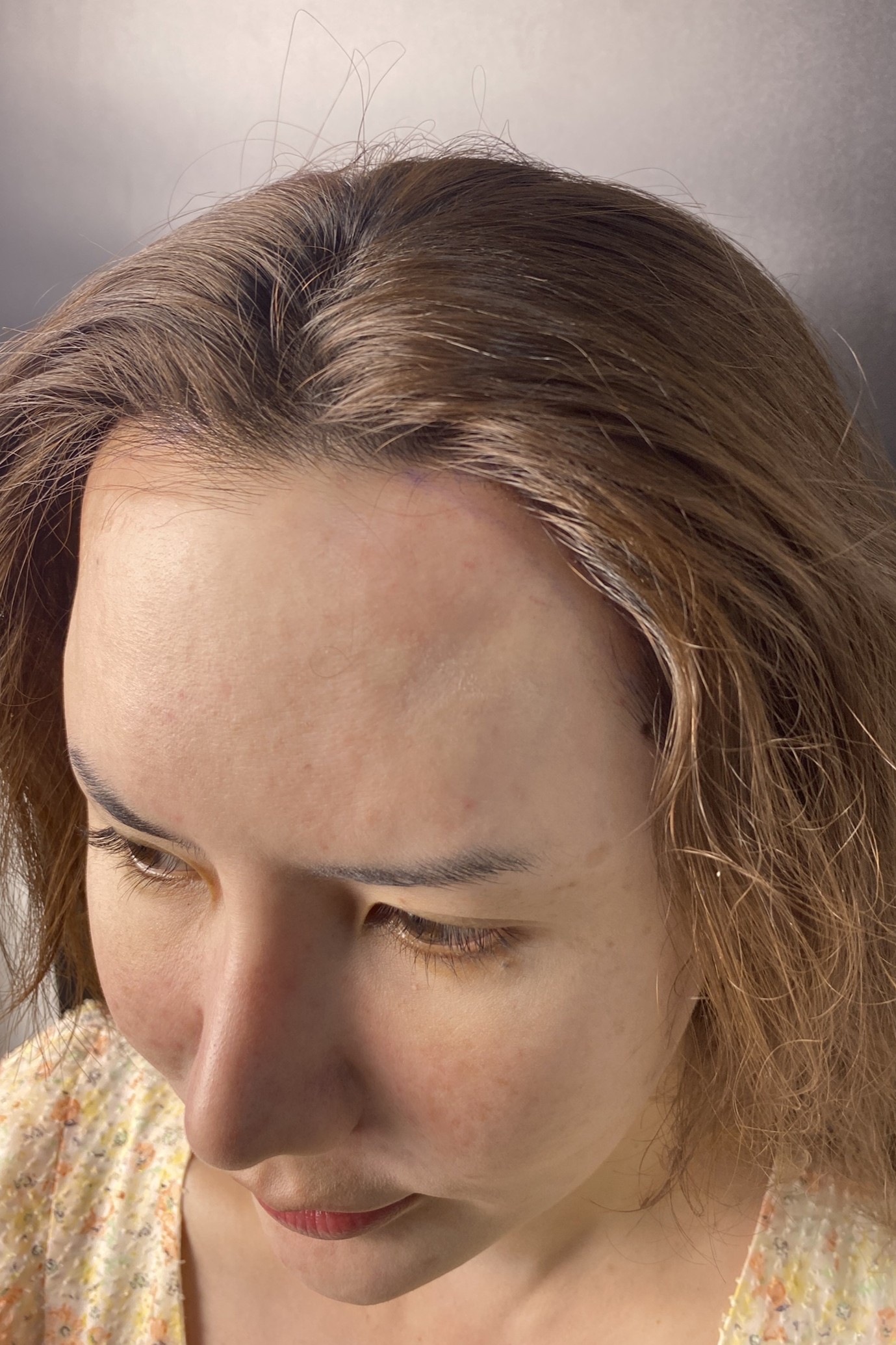
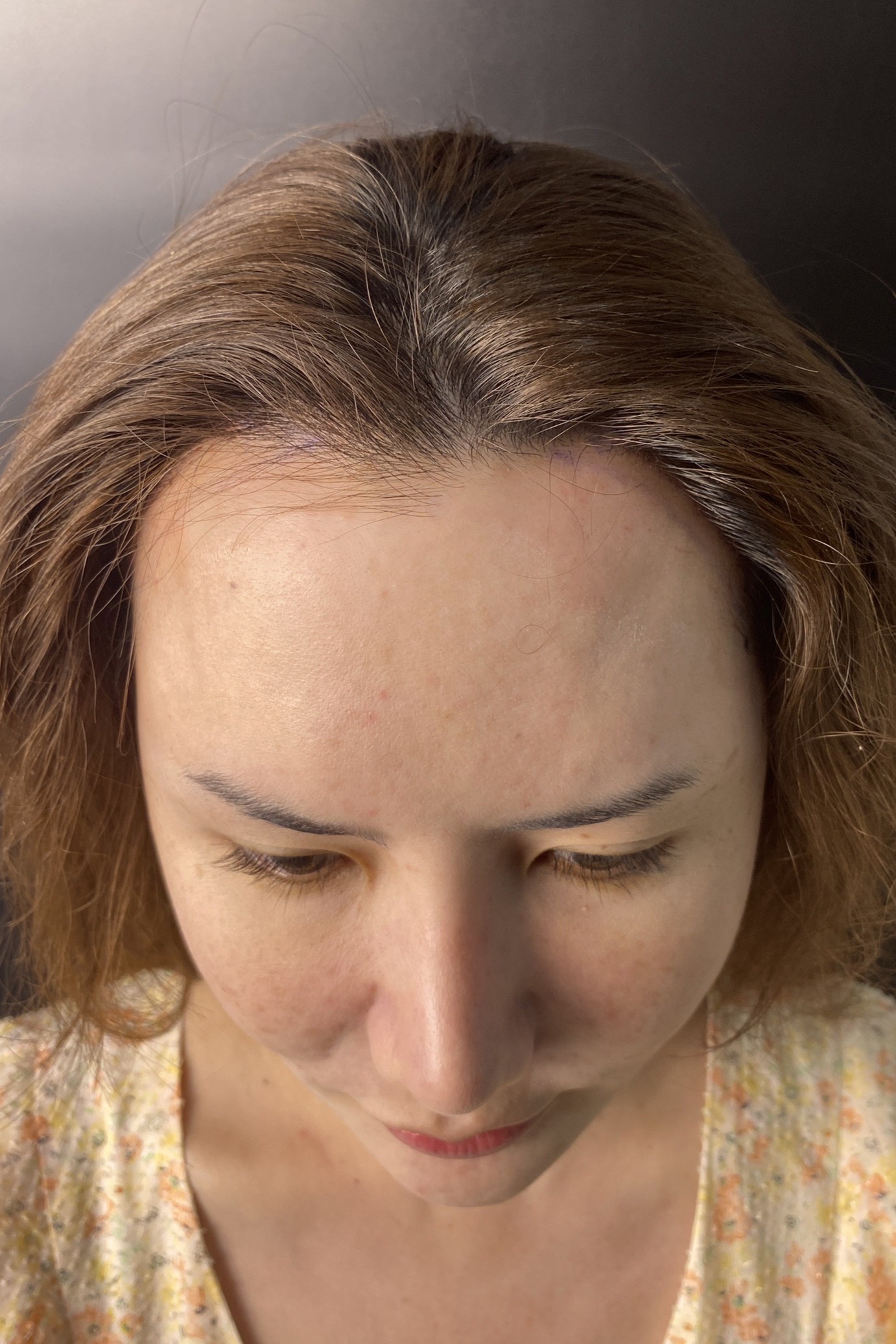
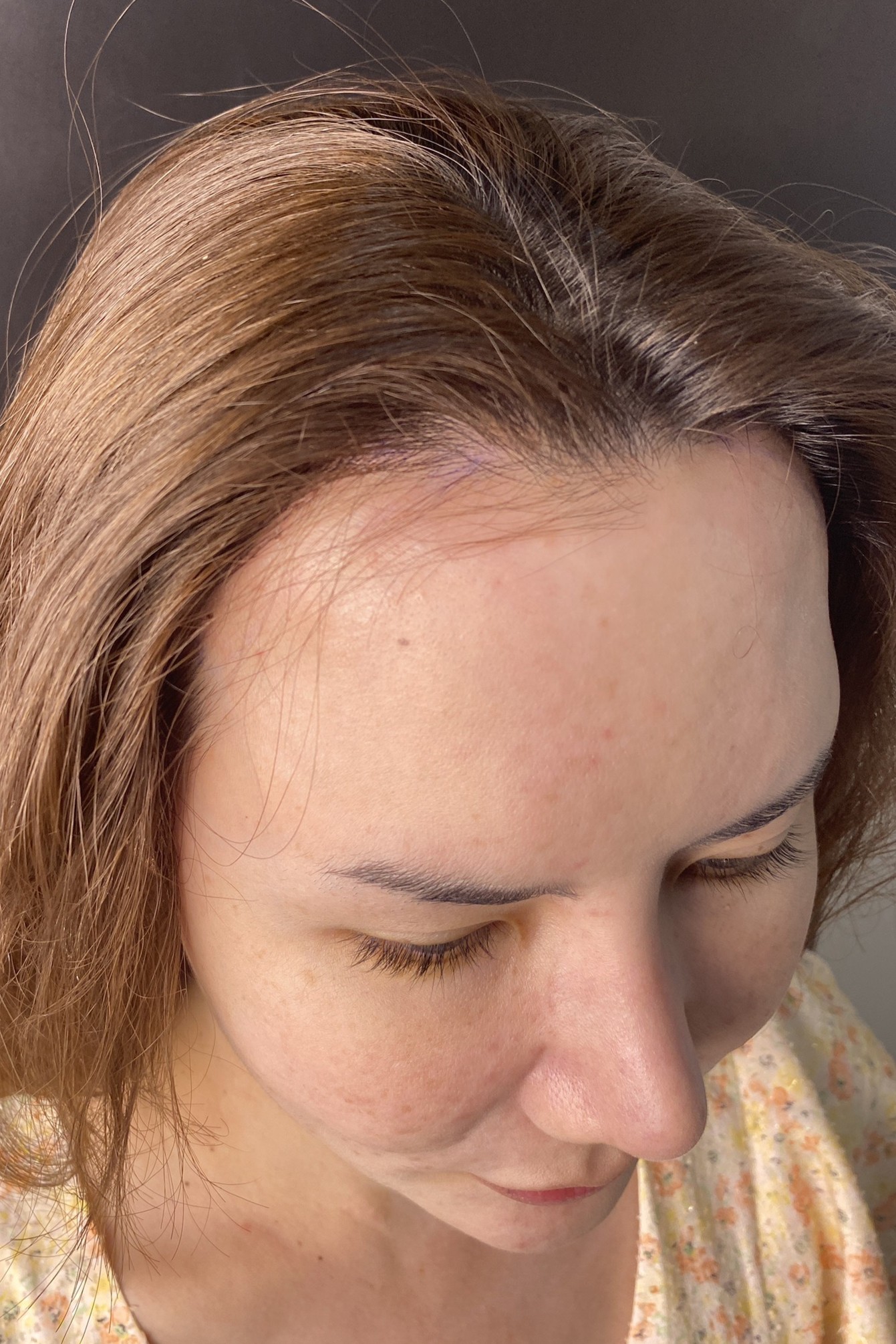
Immediately after the procedure, the newly transplanted hairs were already visible since they were kept long. The scalp showed some slight redness and swelling, which gradually improved within 3–7 days.
14 days after the hair transplant
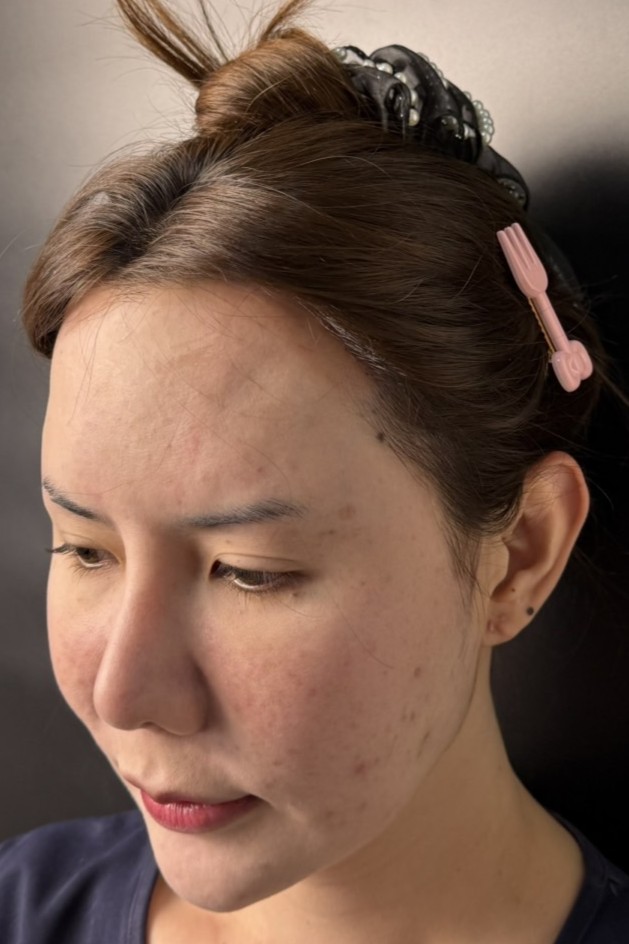
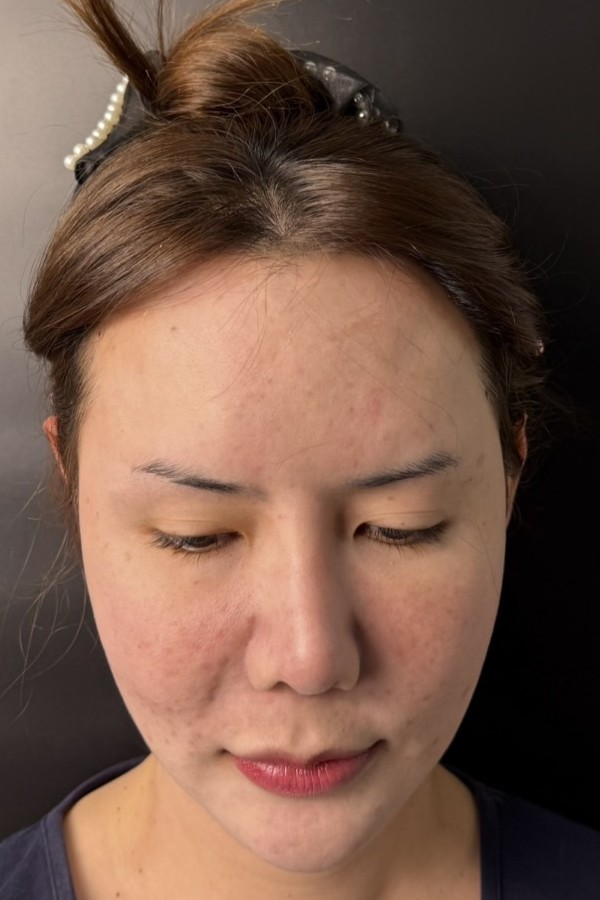
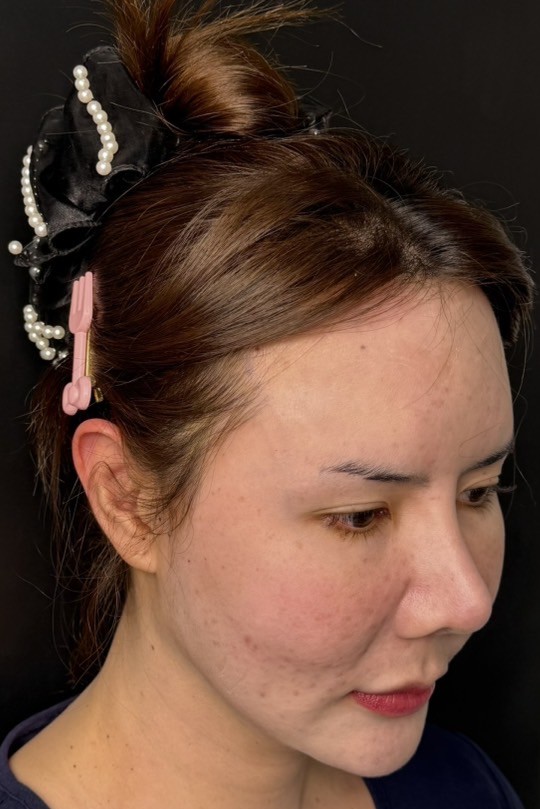
1 month after the hair transplant
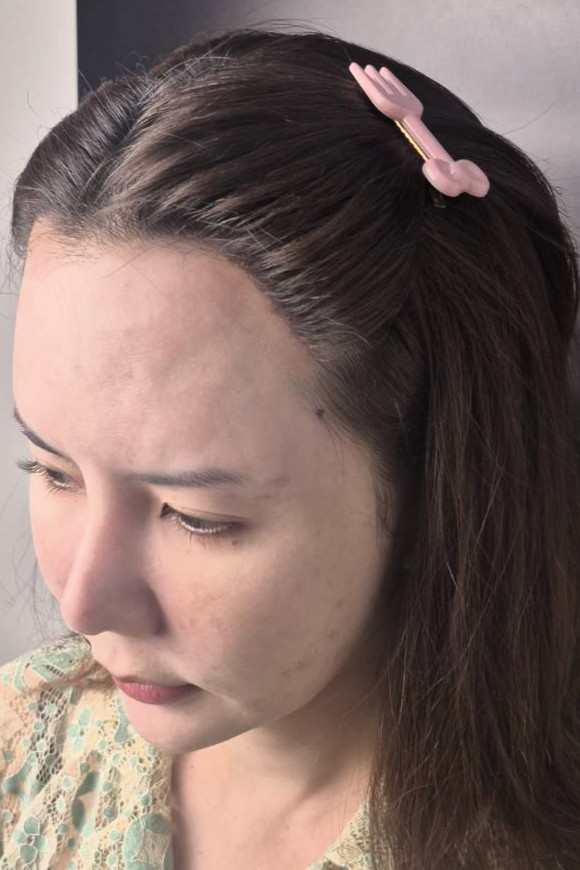
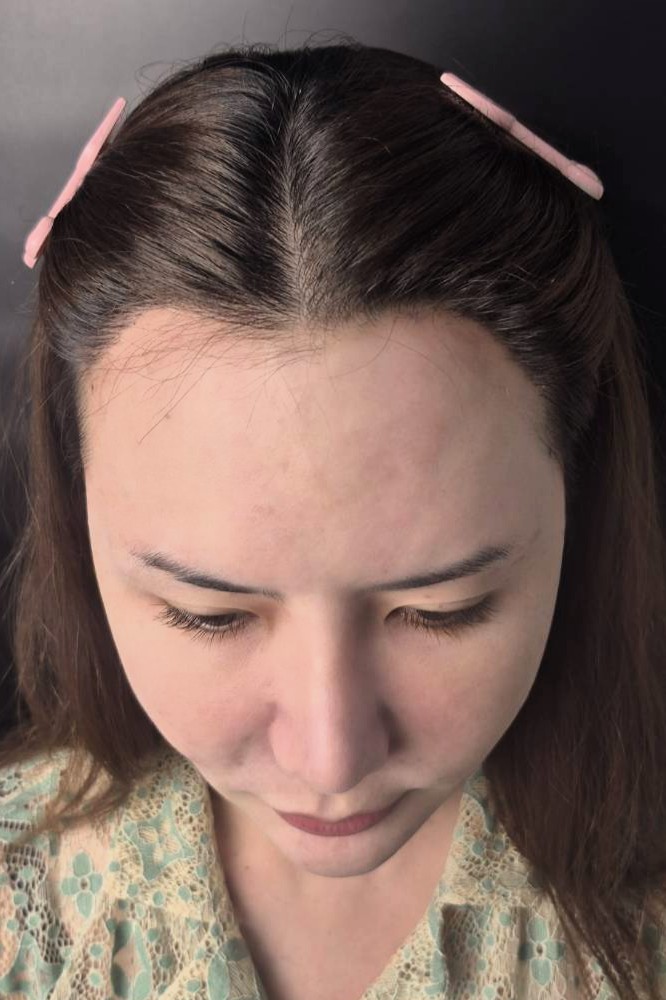
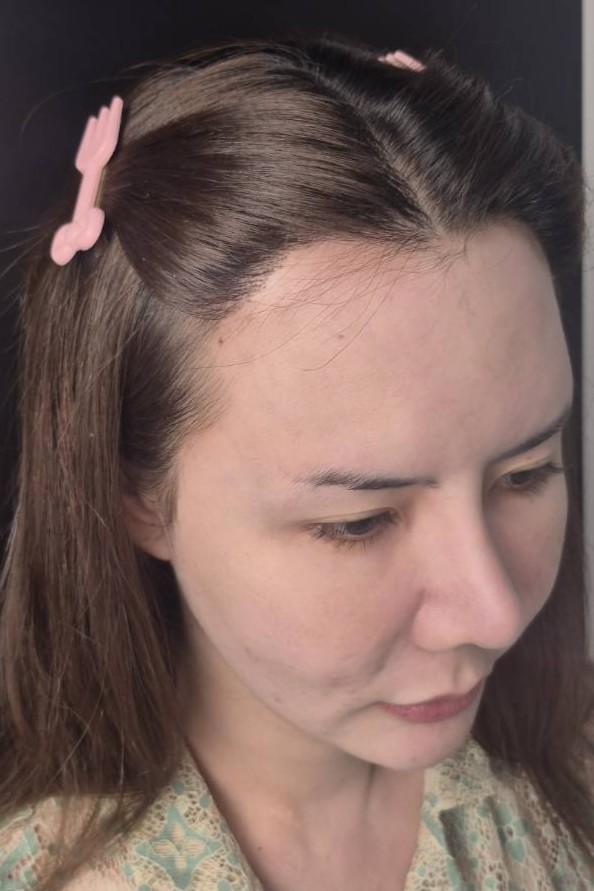
The transplanted hair had grown long enough to start styling, blending more seamlessly with my natural hair and looking very natural. I felt much more confident — even tying my hair back could now be done with ease.
Mr. A had concerns about a receding hairline on both sides of his forehead, forming an M-shaped pattern, along with thinning hair around the frontal hairline that appeared uneven. He decided to consult Dr. Peera at MP Clinic Chiang Mai in June 2025.
During the consultation, Dr. Peera carried out a detailed scalp and hair follicle examination using a specialized scope to determine the cause of hair loss. He also assessed the severity of the condition before planning the most suitable treatment.
Before the hair transplant
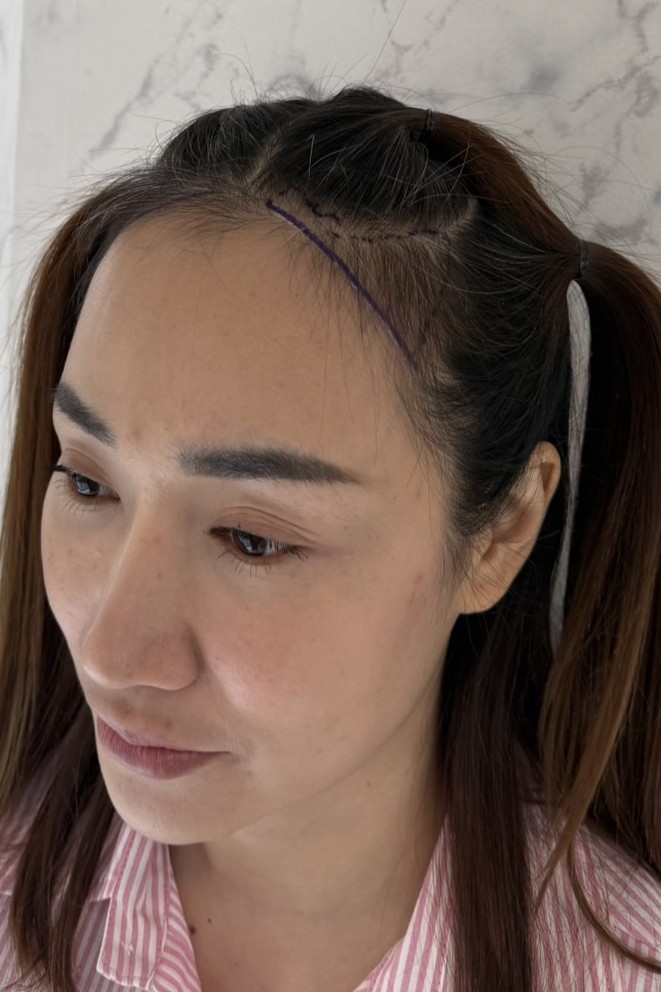
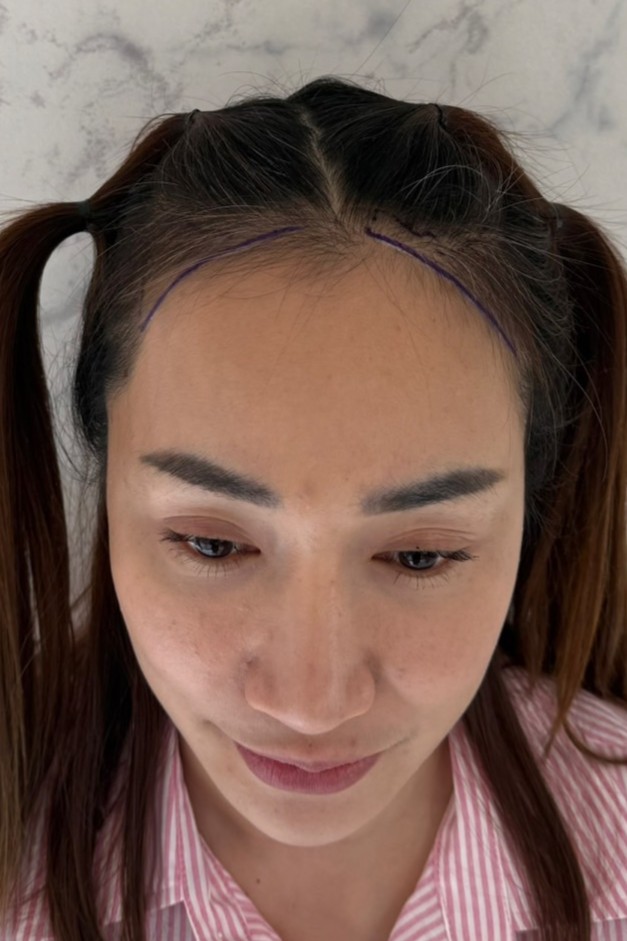
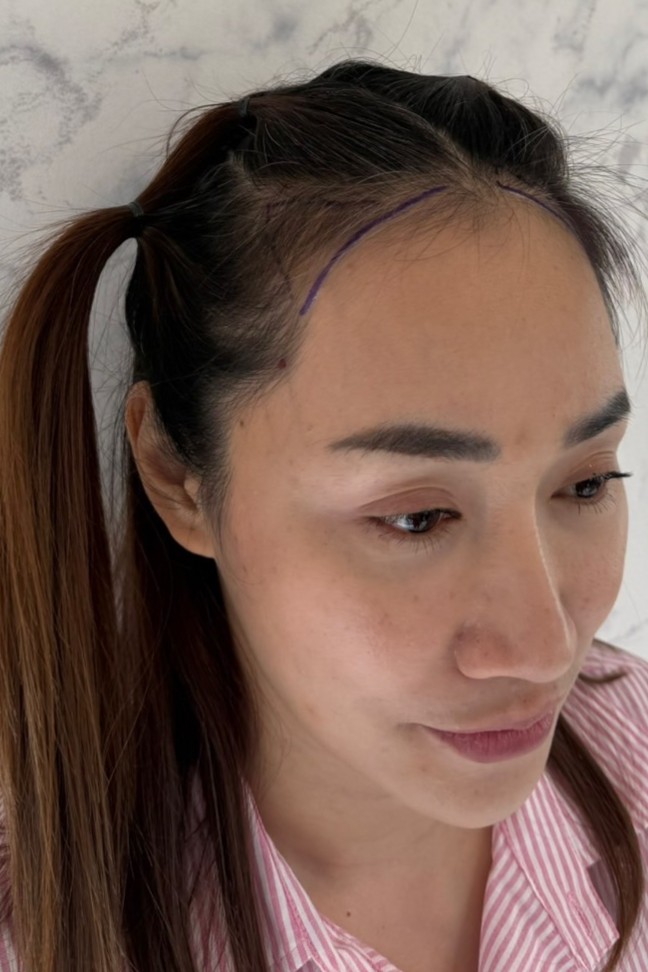
The doctor scheduled my hair transplant for June 2025, using the Long Hair DHI technique. This method allows long hair to be transplanted without shaving the head, making it ideal for clients who want to see immediate results. In my case, a total of 937 grafts were transplanted.
Immediately after the hair transplant
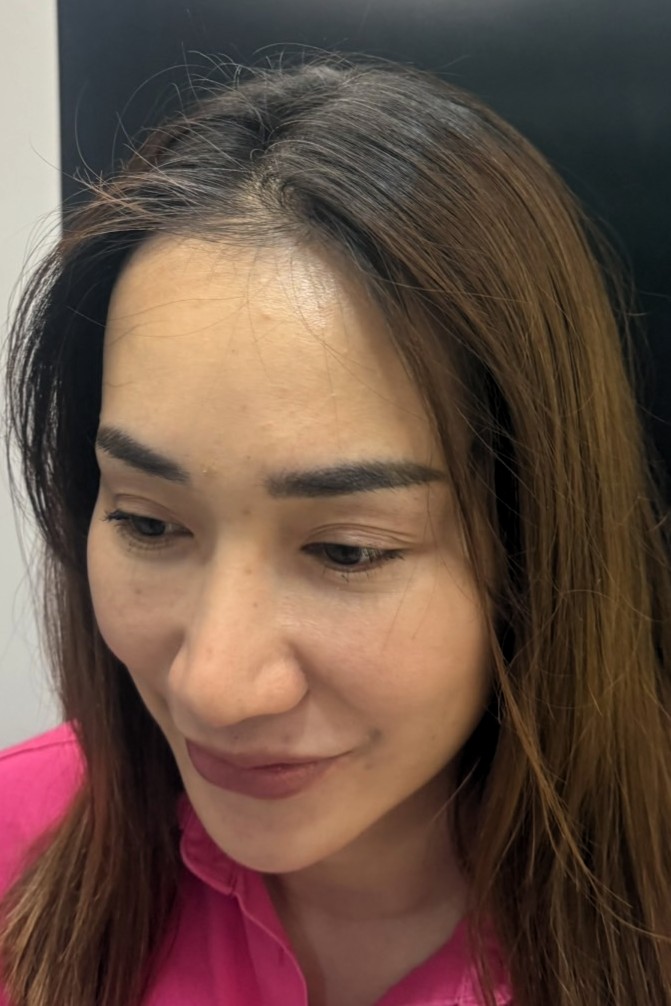
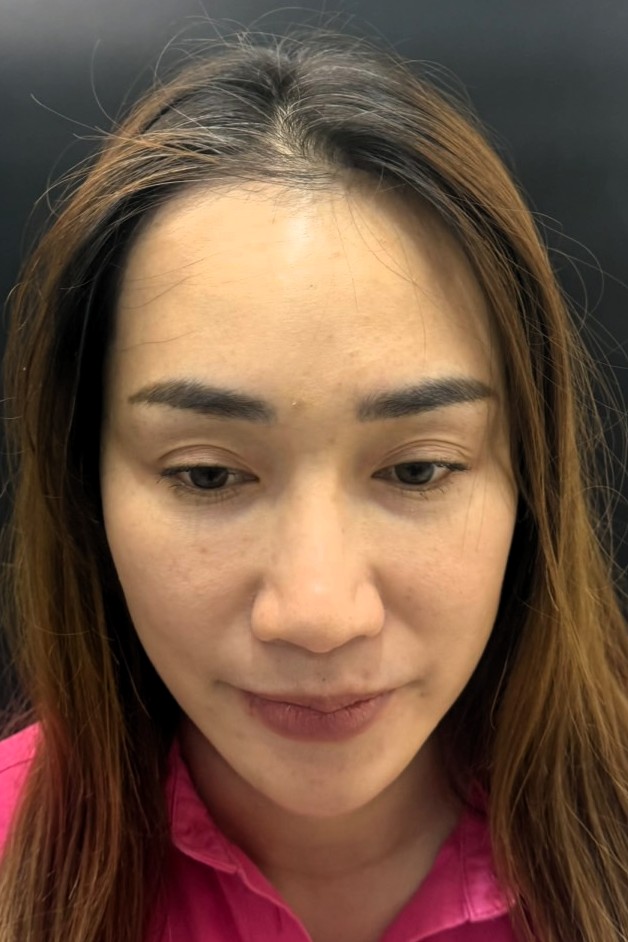
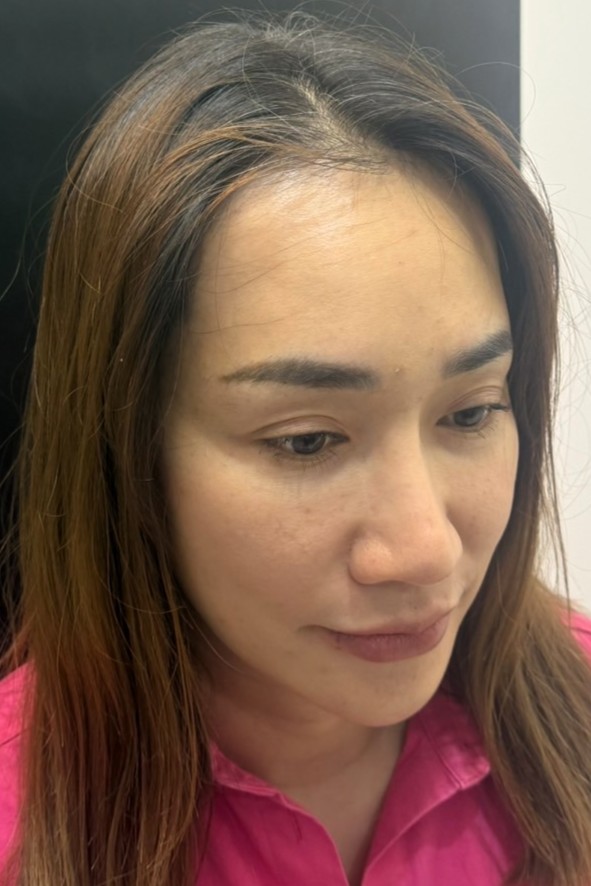
Immediately after the procedure, the newly transplanted hairs could already be seen since they were kept long. The scalp showed some slight redness and swelling, which gradually improved within 3–7 days.
14 days after the hair transplant
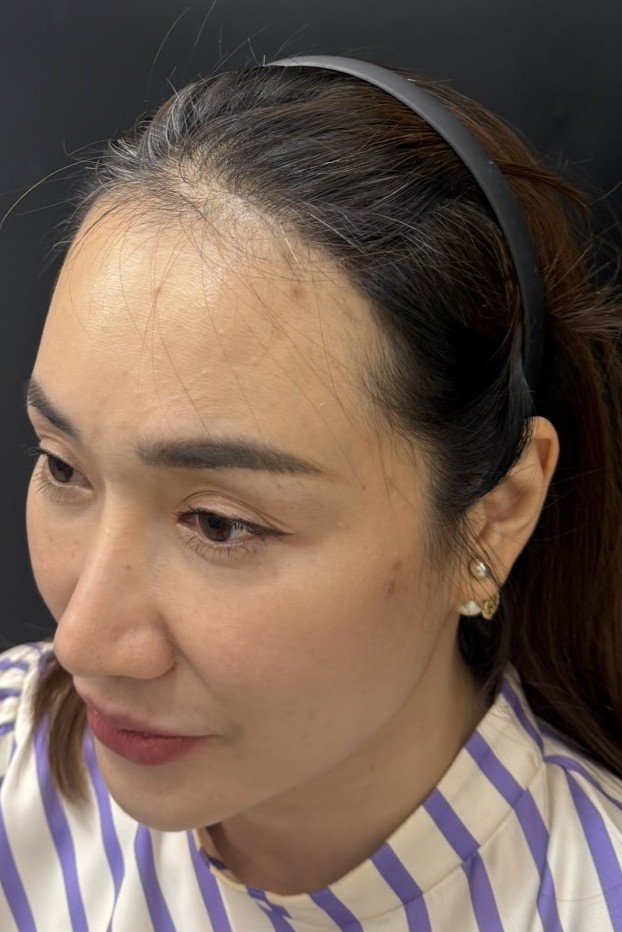
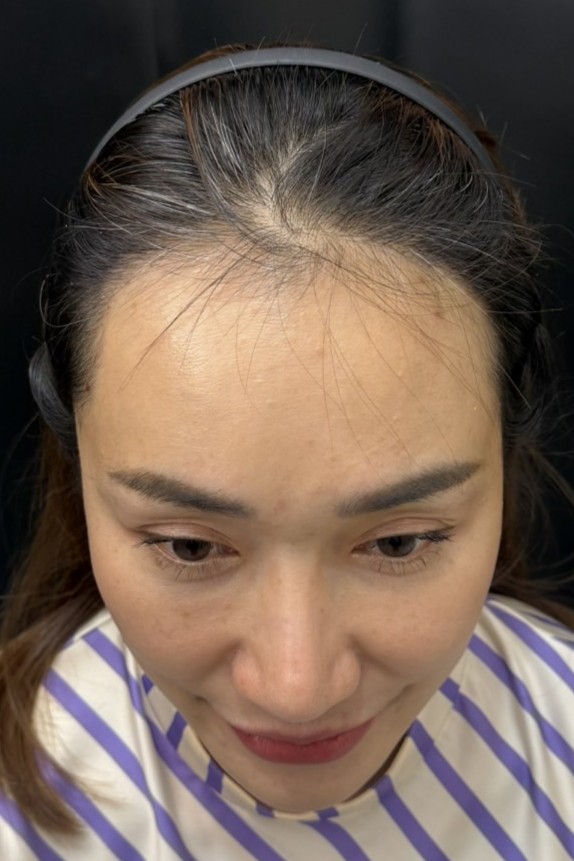
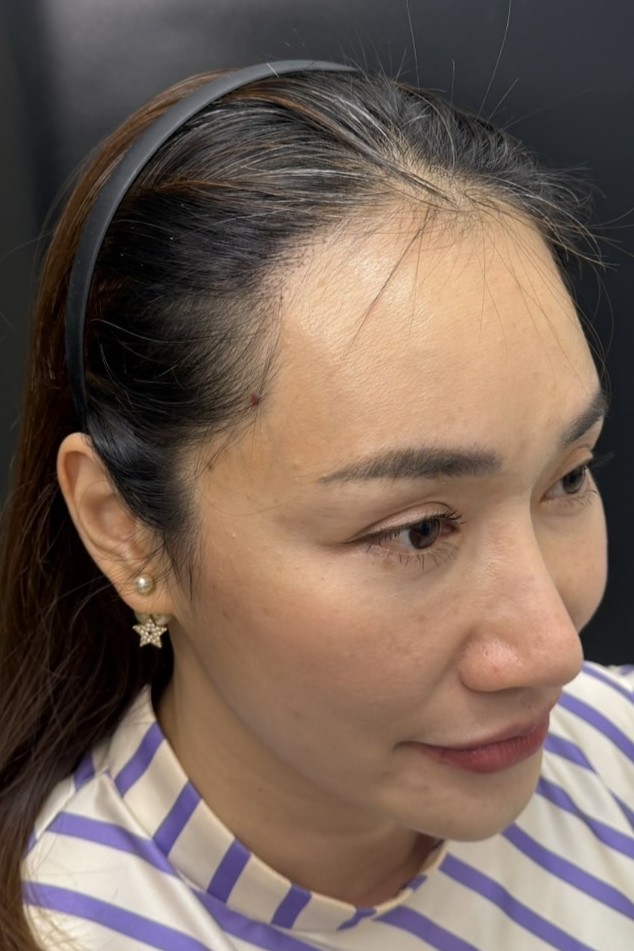
14 days after the hair transplant, it was already clear that the frontal hairline was becoming denser. The new hairs had also grown long enough to start styling, blending more naturally with the existing hair. This made me feel much more confident — I could even tie my hair back with ease.
Mr. R had concerns about a receding hairline on both sides of his forehead, forming an M-shaped pattern, along with thinning hair around the frontal hairline that appeared uneven. He decided to consult Dr. Peera at MP Clinic Chiang Mai in June 2025.
During the consultation, Dr. Peera performed a detailed scalp and hair follicle examination using a specialized scope to identify the cause of hair loss. He also assessed the severity of the condition before planning the most suitable treatment.
Before the hair transplant
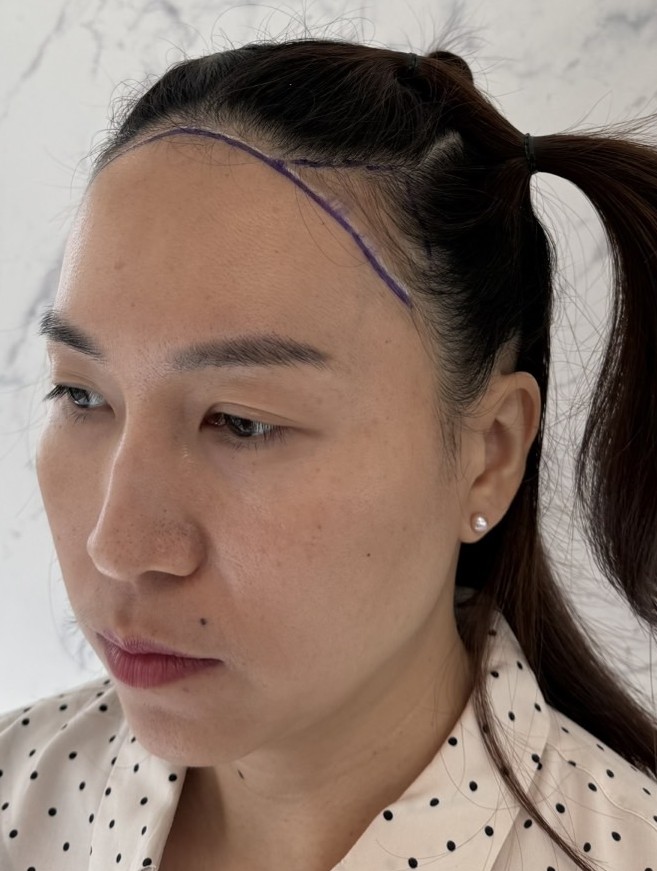
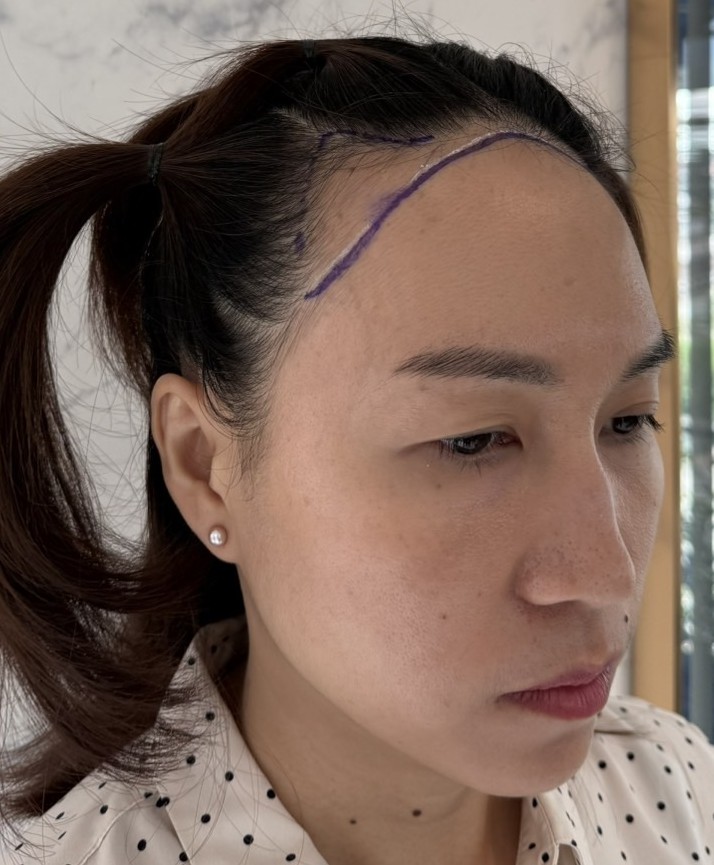
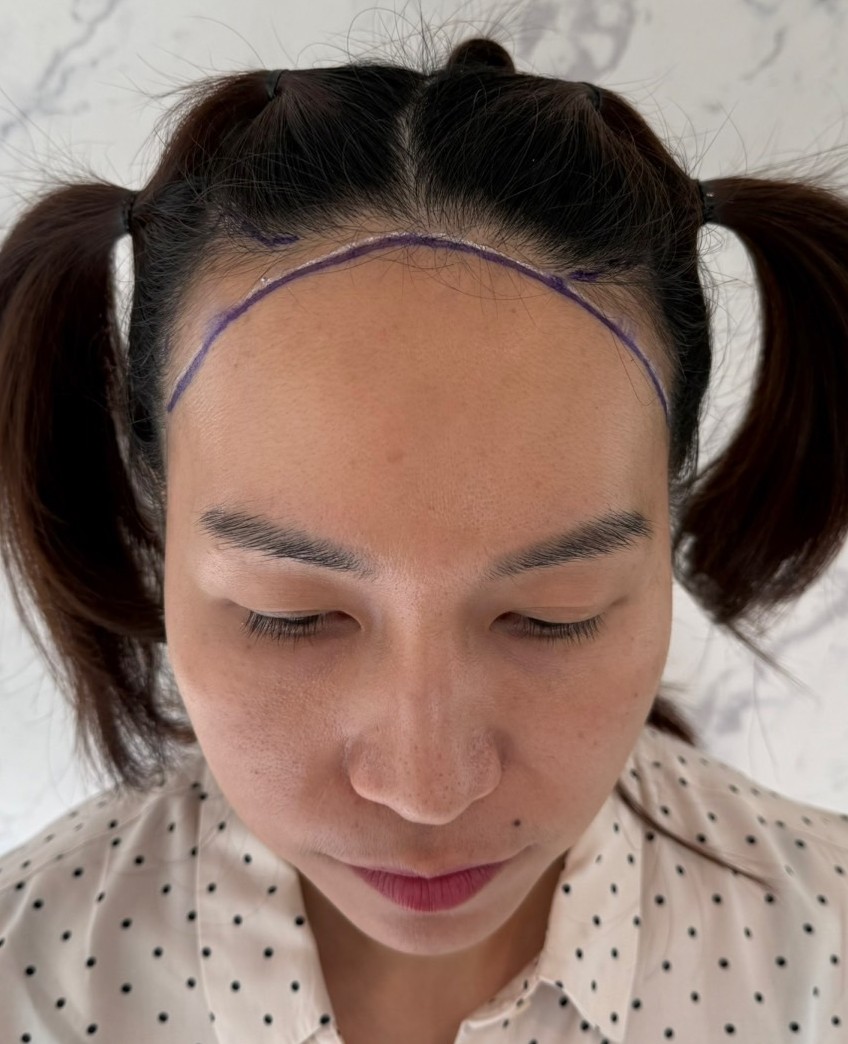
The doctor scheduled my hair transplant for August 2025, using the Long Hair DHI technique. This method allows the use of long hair for transplantation without shaving the head, making it ideal for clients who want to see immediate results. In my case, a total of 1,002 grafts were transplanted.
Immediately after the hair transplant
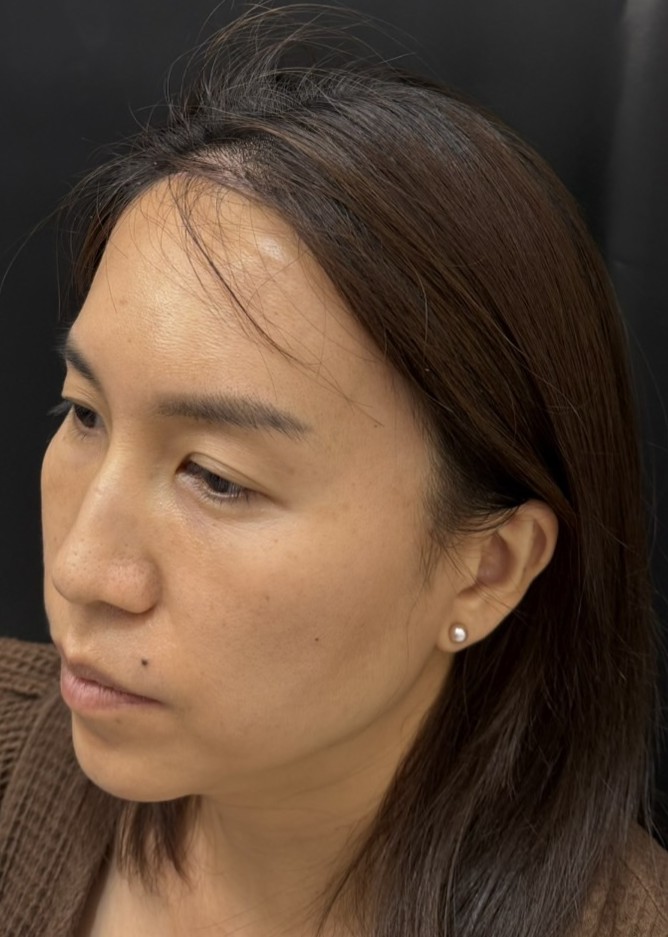
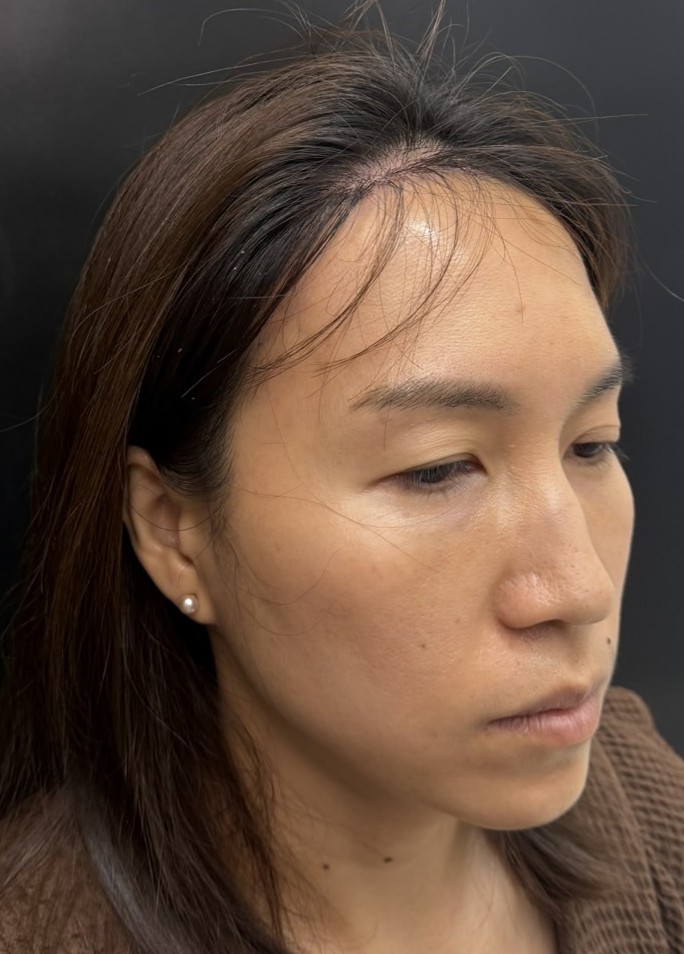
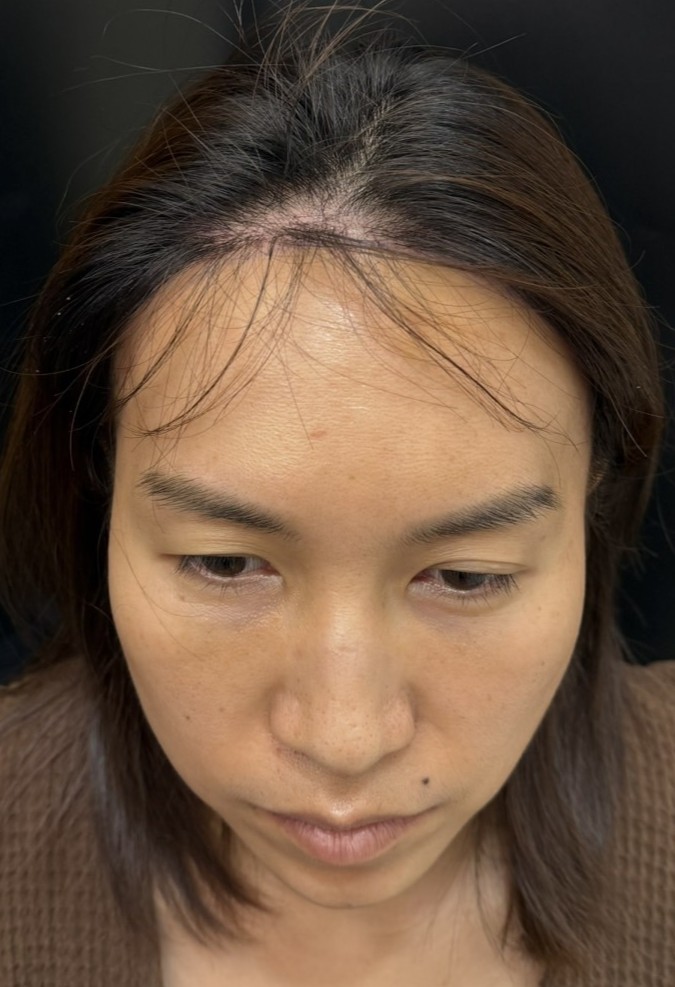
Immediately after the procedure, the newly transplanted hairs could already be seen since they were kept long. The scalp showed some slight redness and swelling, which gradually improved within 3–7 days.
14 days after the hair transplant
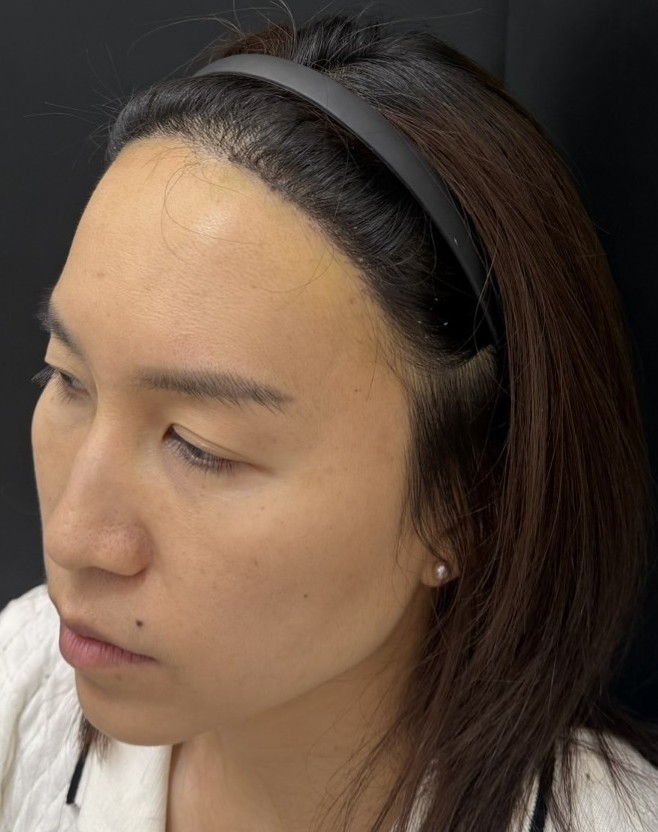
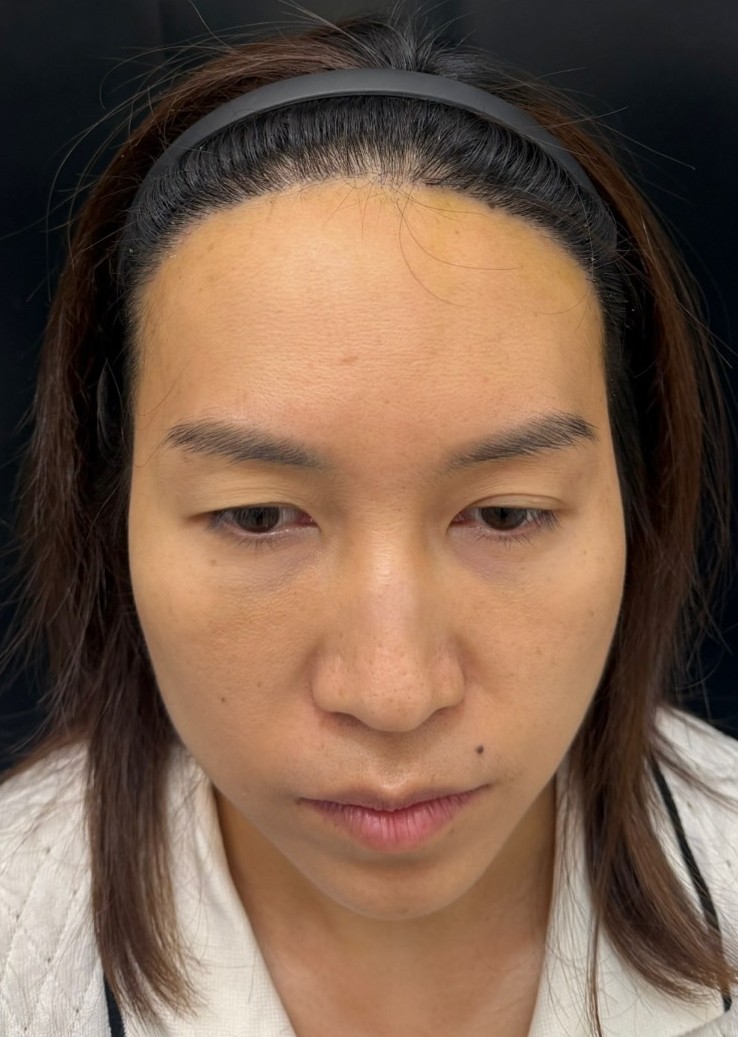
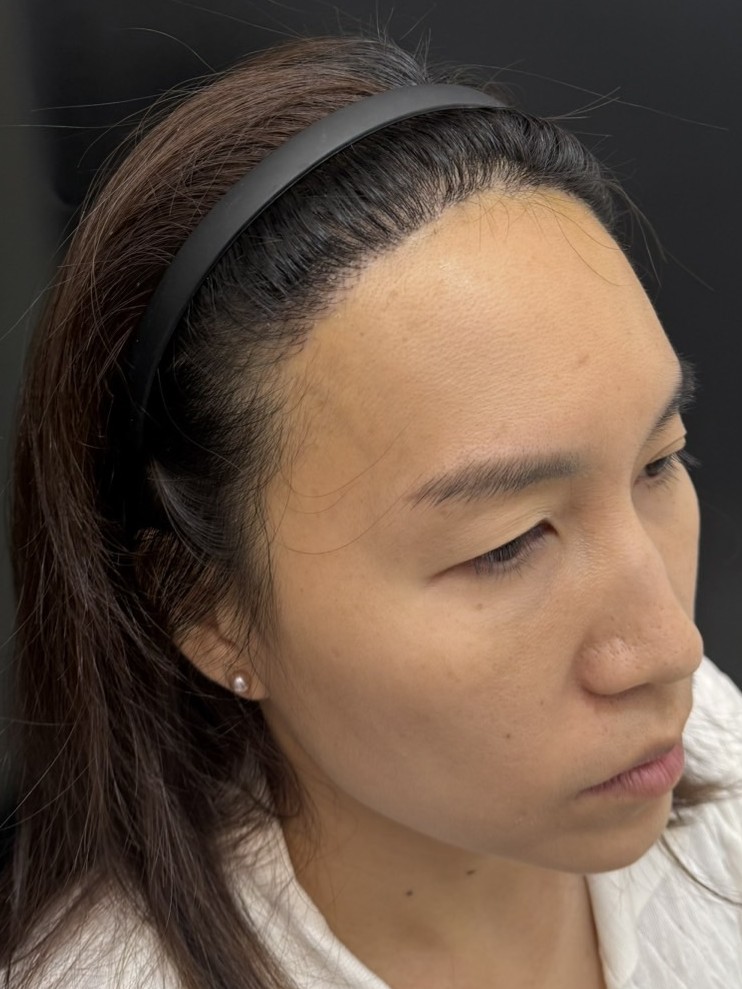
14 days after the hair transplant, it was already clear that the frontal hairline was becoming denser. The new hairs had also grown long enough to start styling, blending more naturally with the existing hair. This gave me much more confidence — I could even tie my hair back with ease and feel completely assured.

